
What Does “Detox” Actually Mean?
“Detox” has become one of the wellness industry’s favourite words. From juice cleanses to teas, rituals and supplements – all promising to cleanse you from the inside out.
But what do these detoxes actually do, are they necessary and are they worth it?
Detoxification is a real, essential and naturally occurring physiological process. Our bodies are constantly exposed to substances that need to be broken down or removed: alcohol, medications, environmental chemicals and the waste products of normal metabolism.
The wellness industry’s definition of “detox” is often much more vague. The word “toxin” may be used without identifying a particular substance, proving it has accumulated or explaining how the proposed detox will remove it.
So, if something claims to detox you, some basic questions need answering:
What are we removing? Can we measure it? How is the treatment removing it? And how would we know it worked?
Your Body’s Natural Detox System
Your body already has a sophisticated detoxification system working around the clock.
The liver chemically processes drugs, alcohol, hormones and other compounds, converting many into forms that can be eliminated through urine or bile.
The kidneys continuously filter the blood, retaining what the body needs while removing metabolic waste and water-soluble substances through urine.
The gut eliminates waste through stool, including substances excreted into bile by the liver. Fibre helps maintain this normal route of elimination.
The lungs continuously remove carbon dioxide, a waste product of metabolism, every time you breathe out.
Detoxification isn’t an occasional, orchestrated event. Your liver, kidneys, gut and lungs are doing it naturally and continuously.
How Would You Know You Needed a Detox?
Fatigue, bloating, headaches, poor concentration, constipation, bad skin and feeling generally “sluggish” are commonly presented as signs that toxins have accumulated.
The problem is that these symptoms are extremely nonspecific. They can occur with poor sleep, dehydration, dietary changes, stress, infections, anaemia, thyroid disease and numerous other conditions or lifestyle factors.
There is also no routine medical test for a generalised state of being “toxic.”
True toxic exposures are different. Suspected exposure to substances such as lead, mercury or carbon monoxide can be specifically investigated. Blood and urine tests can also assess liver and kidney function.
If we cannot identify what has accumulated or measure whether an intervention removes it, proving that a “detox” has occurred becomes very difficult.
Juice Cleanses and Fasting
Three days of green juice, lemon water and very little food can certainly make the scales move.
When carbohydrate intake falls, the body uses its stored carbohydrate, glycogen.
Glycogen is stored alongside water, so using it also releases water. Less food passing through the gut means less intestinal content. Together, these can produce rapid weight loss without representing significant fat loss.
Juices can provide vitamins, but juice-only diets are often low in protein, fat and fibre, and more restrictive cleanses can cause hunger, fatigue and dizziness.
There is evidence supporting intermittent fasting and time-restricted eating in some contexts for metabolic health, but those potential benefits relate to energy intake and metabolic changes, rather than “flushing” toxins from the body.
Detox Teas
Some detox teas contain stimulant laxatives, while others contain ingredients with
diuretic effects.
The result? More bowel movements, more urination and sometimes a temporary reduction in weight or bloating.
Regular or excessive laxative use can also cause diarrhoea, dehydration and electrolyte disturbances. A flatter stomach the next morning may be real – but the explanation is usually considerably less mysterious than detoxification.

Liver Detox Supplements
Perhaps the most convincing detox products are those aimed directly at an organ actually responsible for detoxification: the liver.
Common ingredients include milk thistle, turmeric or curcumin, N-acetylcysteine (NAC), dandelion and artichoke extract.
Some have genuine biological effects. NAC, for example, helps replenish glutathione, an important antioxidant involved in cellular defence, and has an established medical role in treating paracetamol overdose.
But a legitimate medical application doesn’t mean routinely taking NAC “cleans” a healthy liver. Milk thistle and curcumin have also been studied in liver disease, but evidence for meaningful benefit varies by condition, preparation and dose.
Supplements aren’t automatically harmless either. They can interact with medications, vary in quality and, paradoxically, some herbal and dietary supplements have themselves been associated with liver injury.
Activated Charcoal
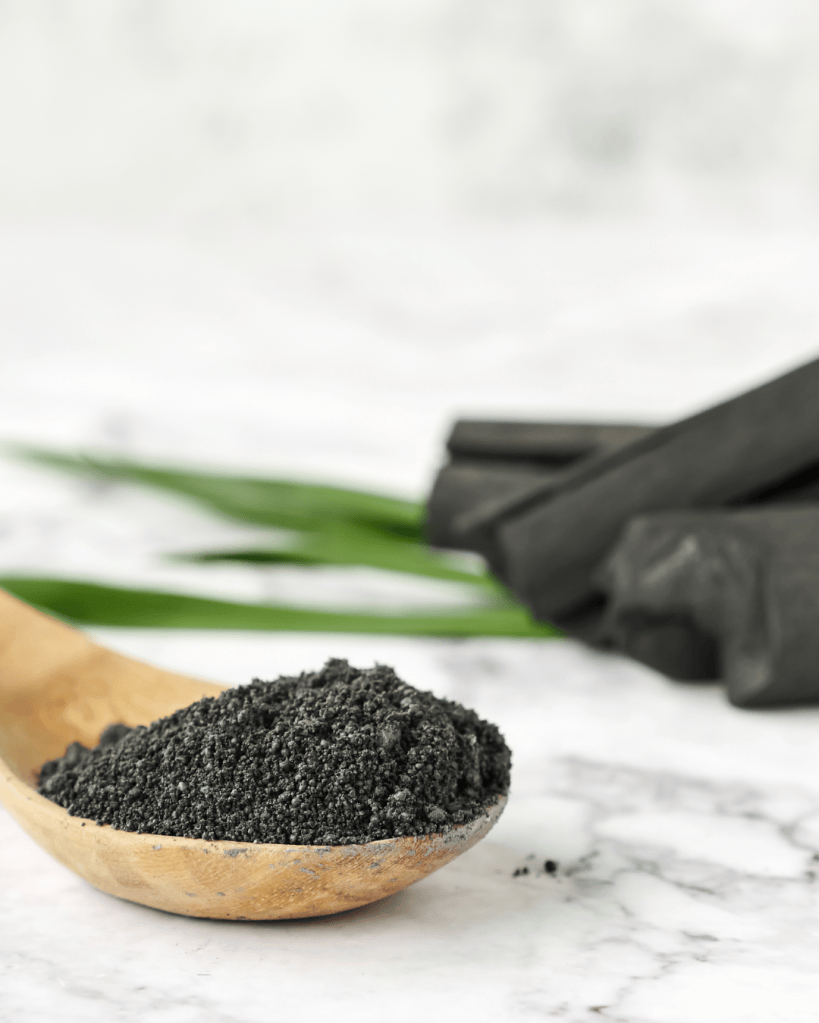
Activated charcoal is interesting because it genuinely can prevent certain toxins from being absorbed.
In emergency medicine, it may be used following selected drug or poison ingestions. Its porous surface binds certain substances within the gastrointestinal tract, reducing their absorption into the bloodstream.
But charcoal in the gut cannot travel around your body collecting toxins from your bloodstream. Taken routinely in smoothies or supplements, there is little evidence for a generalised detox effect.
It can also bind medications, reducing their absorption, and cause constipation and black stools.
Colon Cleanses
The idea is visually persuasive: if material comes out, something must have been removed.
But your colon isn’t normally lined with years’ worth of toxic waste waiting to be washed away. Colon hydrotherapy mechanically flushes the bowel with fluid and can certainly remove stool, but there is little evidence that routinely doing so improves health in otherwise healthy people.
Potential complications include dehydration, electrolyte disturbance, infection and,
rarely, bowel injury.
Saunas: Can You Sweat It Out?
After 20 minutes in a sauna, you’re hot, dripping with sweat and usually lighter on the
scales.
Sweat, however, exists primarily to regulate body temperature.
That doesn’t make saunas pointless. Regular sauna use has been associated with cardiovascular and other potential health benefits. Those benefits can stand on their own without needing to call sweating a detox.
And that immediate weight loss? Mostly water – which returns when you rehydrate.
Lymphatic Detox
Lymphatic drainage massage, dry brushing and even rebounding on mini-trampolines are increasingly promoted as ways to “move toxins.”
The lymphatic system has important roles in fluid balance and immunity, and manual lymphatic drainage has legitimate medical uses, particularly in lymphoedema.
But in someone with a normally functioning lymphatic system, there is little evidence that manually “boosting” lymphatic flow improves detoxification. Dry brushing may exfoliate the skin and massage may feel good – benefits that don’t require a detox explanation.

Parasite Cleanses
Take a collection of herbs, inspect what comes out in the toilet, and anything stringy or
unusual can quickly be labelled a parasite.
Genuine intestinal parasites absolutely exist, particularly following certain travel or contaminated food and water exposures. But diagnosis may require stool microscopy, antigen or PCR testing, blood tests or imaging, depending on the suspected organism.
Commercial parasite cleanses often contain herbs, laxatives and fibre that can alter the appearance of stool, producing mucus, plant material or intestinal contents that may be mistaken for worms.
If a parasite is genuinely present, the organism needs to be correctly identified and targeted antiparasitic treatment used against it. Effective treatment needs to interrupt the parasite’s life cycle – simply “flushing out” what you can see in the bowel doesn’t necessarily eradicate the infection.
Heavy-Metal Detox
Lead, mercury and other toxic metals can genuinely accumulate in the body and cause illness. Crucially, unlike an undefined “toxin,” exposure can be investigated and, where appropriate, measured.
Significant poisoning may be treated with chelation therapy, where medicines bind particular metals so they can be excreted. This is genuine, measurable detoxification used for specific medical indications.
Commercial heavy-metal detoxes, however, may involve supplements, herbs or restrictive diets without first establishing that abnormal exposure exists.
How Do You Know If It Worked?
Feeling lighter, less bloated or more energetic after a detox can be completely genuine. But feeling better and removing toxins are not necessarily the same thing.
Weight loss after a juice cleanse may be largely water. A flatter stomach after detox tea may reflect an emptier bowel. Unusual material after a parasite cleanse doesn’t prove it was a parasite.
A scientifically convincing detox should be able to tell us what is being removed, how it is being removed and ideally demonstrate that its concentration or elimination has actually changed.
Otherwise, feeling better may simply reflect eating differently, drinking less alcohol, improving hydration, sleeping more or reducing highly processed foods.
What Is Actually Worth Your Money?
Ironically, many people probably do feel better after a detox – just not necessarily for
the reason written on the packaging.
Drinking less alcohol, eating more fruit and vegetables, getting enough fibre and water, exercising, sleeping properly and reducing highly processed foods can all make a meaningful difference to how you feel.
None requires a detox product.
If you want to look after the systems responsible for eliminating waste, focus on the less glamorous fundamentals: adequate hydration, sufficient fibre, a varied diet, regular exercise, not smoking and limiting excessive alcohol. Be cautious with unnecessary supplements and herbal combinations too.
Your liver doesn’t need a holiday, your kidneys don’t need flushing and your colon doesn’t need spring cleaning.
So, Do You Need a Detox?
Detoxification is real. Some products contain ingredients with genuine physiological effects, and some practices may have health benefits for completely different reasons.
But attaching the word “detox” doesn’t prove that something harmful has been removed.
Before investing in the next cleanse, tea or supplement, ask:
What am I trying to remove? Can it be measured? How is this supposed to remove it?
And how will I know it worked?
Sometimes the most effective “detox” is simply giving your body what it needs to do the job it was already doing.
Information and other content provided in these blogs should not be construed as medical advice and should not be considered a substitute for professional medical expertise. If you have any medical concerns, you should consult with your health care provider.


Leave a Reply