
“Drink more water.”
Few pieces of medical advice are repeated as often.
Headache? Drink more water.
Constipation? Drink more water.
Urine infection? Drink more water.
Kidney stones? Drink more water.
Feeling dizzy? Drink more water.
Heatwave? Drink more water.
Whether you’ve heard it from your GP, a pharmacist, a nurse or even a well-meaning family member, there’s a good chance you’ve heard those three words more times than you can remember.
It’s advice that’s become so familiar that we rarely pay it much attention. Most people have probably wondered at some point whether doctors recommend drinking more water because it’s harmless, easy, or simply because they’ve run out of better ideas.
In reality, nothing could be further from the truth.
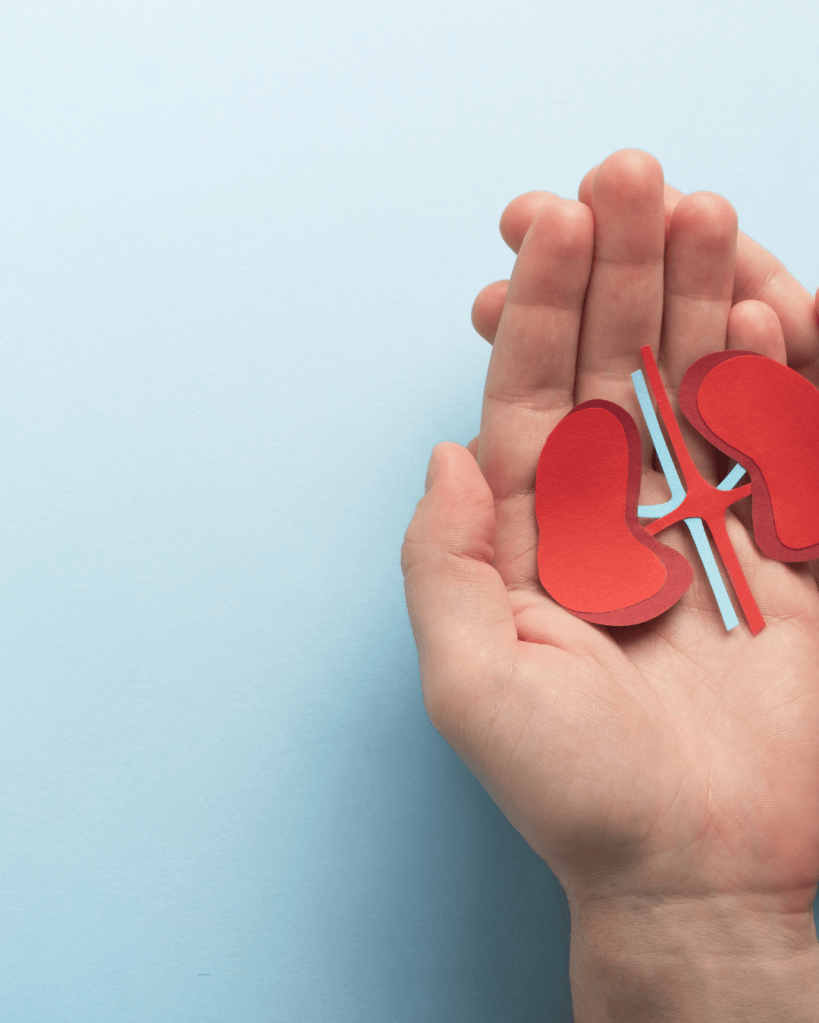
When doctors encourage you to stay hydrated, they’re thinking about your kidneys – two remarkable organs quietly performing one of the most sophisticated balancing acts in the human body.
With much of Europe recently experiencing record-breaking summer temperatures, understanding why hydration matters has never been more relevant.
Why Kidneys Matter
The kidneys are some of the hardest-working organs in the body, yet they’re also some of the least understood. Describing them as filters is a little like describing the brain as something that “helps you think.” It isn’t wrong, but it barely scratches the surface.
Every minute, around one litre of blood flows through your kidneys. Across an entire day
they filter approximately 180 litres of fluid, yet produce only 1–2 litres of urine. Almost everything that is filtered is carefully reclaimed.
Far from acting as passive filters, your kidneys are constantly making decisions.
Every minute they’re deciding how much water to keep, how much sodium to excrete, whether your blood pressure is beginning to fall, whether potassium is becoming Your
dangerously high, whether your blood is becoming too acidic, and whether your body
can afford to lose another drop of fluid.
Very few organs perform so many different jobs simultaneously.
Alongside removing waste products, the kidneys regulate fluid balance, control electrolyte concentrations, maintain the blood’s acid-base balance, regulate blood pressure, activate vitamin D for healthy bones and produce erythropoietin – a hormone
that stimulates red blood cell production.
In short, almost every organ in your body depends on healthy kidneys.
What Happens When You Become Dehydrated?
Dehydration is far more than simply feeling thirsty.
As you lose water through sweating, illness or inadequate fluid intake, the volume of blood circulating around your body begins to fall. Less blood reaches the kidneys, meaning they have less oxygen and fewer nutrients with which to work.
Within minutes, the body responds.
The brain releases antidiuretic hormone (ADH), also known as vasopressin, signalling the kidneys to reclaim more water from the urine. At the same time, the renin-angiotensin-aldosterone system (RAAS) is activated, helping to retain sodium and water while maintaining blood pressure.
The result is one of the body’s most impressive survival mechanisms. Urine volume falls, urine becomes darker and more concentrated, and every nephron – the kidney’s microscopic filtering unit – works to conserve as much fluid as possible.
These adaptations allow us to cope remarkably well with hot weather, exercise and short periods without drinking.
But they’re designed to buy us time, not to compensate indefinitely.
Why Doctors Worry About Your Kidneys
Doctors don’t recommend water because it’s a cure.
They recommend it because dehydration places extra strain on organs that are already
working tirelessly to keep the rest of the body functioning normally.
If blood flow to the kidneys falls too far, the nephrons begin to struggle. Without enough oxygen and nutrients, they cannot filter blood efficiently, increasing the risk of acute kidney injury (AKI) – a sudden decline in kidney function.
AKIs frequently develops in people admitted to hospital with severe infections, vomiting, diarrhoea, major surgery or prolonged dehydration. Older adults are particularly vulnerable because the sensation of thirst becomes less reliable with age, kidney reserve gradually declines and many take medications that further affect fluid balance.
Even before kidney injury develops, dehydration increases the risk of kidney stones,
urinary tract infections, low blood pressure, dizziness, falls and heat-related illness.
This is why doctors ask questions that can seem unrelated to your original problem.
“Have you been drinking enough?”
“Are you still passing urine?”
“What colour is your urine?”
They’re trying to work out whether your kidneys are coping – or whether they’re beginning to come under pressure.
Can Kidneys Recover After Damage?
The kidneys are remarkably adaptable, but they are not invincible.
Most people are born with far more kidney function than they need. In fact, many people
live perfectly healthy lives with just one kidney. This reserve allows the kidneys to cope
with illness, dehydration and the gradual effects of ageing.
However, reserve is not the same as regeneration.
Unlike the liver or skin, the kidneys have only a limited ability to repair themselves after injury. Many episodes of acute kidney injury recover completely, particularly when recognised and treated promptly. Others recover only partially, leaving behind a small reduction in kidney function.
Repeated episodes of kidney injury, alongside conditions such as diabetes and high blood pressure, gradually chip away at this reserve. Over many years, this can lead to chronic kidney disease (CKD) – a long-term, progressive loss of kidney function that often develops silently. Because the kidneys compensate so effectively, many people experience few symptoms until a significant proportion of kidney function has already been lost.
This is precisely why doctors focus so heavily on prevention. Protecting healthy kidneys is far easier than restoring damaged ones.
Protecting Your Kidneys
Hydration is one of the simplest ways to support your kidneys, but it’s only one part of the picture. High blood pressure and diabetes gradually damage the kidneys’ delicate filtering units, making them the leading causes of chronic kidney disease worldwide.
Smoking reduces blood flow to the kidneys and accelerates scarring, while excess dietary salt contributes to high blood pressure, placing additional strain on these tiny filters. Obesity forces the kidneys to work harder through a process known as hyperfiltration, and frequent use of anti-inflammatory painkillers such as ibuprofen can reduce blood flow to the kidneys, particularly during dehydration or illness. Individually these insults may seem small, but over many years they gradually erode the kidneys’ remarkable reserve.

What About Electrolytes?
Hydration has become a booming industry.
Supermarket shelves are now filled with colourful electrolyte tablets, powders and drinks, all promising superior hydration and better performance.
But do most people actually need them?
Usually not.
For most healthy adults carrying out normal daily activities, plain water is all that’s required. Healthy kidneys are exceptionally good at regulating sodium, potassium and other electrolytes, provided you’re eating a balanced diet.
Electrolyte supplements become more useful when significant amounts of salt are being lost – for example during prolonged endurance exercise, heavy sweating in extreme heat, or illnesses causing vomiting or diarrhoea. In these situations, replacing water alone may not fully restore what has been lost.
Not all electrolyte products are created equal, however.
Some contain meaningful amounts of sodium – the electrolyte most important for replacing sweat losses. Others contain only small quantities of minerals but large amounts of sugar, flavourings or added vitamins. Some are formulated for endurance athletes, while others are marketed for everyday wellness despite offering little advantage over plain water for the average person.
The ingredients list often tells you more than the marketing on the front of the packet.
Hydration Myths
Do I really need eight glasses of water every day?
Not necessarily. Fluid requirements vary depending on your size, activity levels, climate,
diet, health and pregnancy. There is no single amount that’s right for everyone.
Do tea and coffee count?
Yes. Despite caffeine having a mild diuretic effect, both contribute to your daily fluid
intake.
Should my urine always be completely clear?
Not necessarily. Pale straw-coloured urine is generally a reassuring sign of good hydration. Persistently crystal-clear urine may simply indicate you’re drinking more than your body requires.
Can you drink too much water?
Yes. Drinking excessive amounts over a short period can dilute the sodium in your blood, causing a potentially dangerous condition called hyponatraemia. Like so many aspects of physiology, hydration is about balance rather than excess.
Next Time Your Doctor Tells You to Drink More Water…
The next time a doctor tells you to drink more water, remember they’re not just thinking about hydration – they’re thinking about everything your kidneys are doing to keep you alive. Two extraordinary organs that quietly filter your blood, regulate your blood pressure, balance your electrolytes, activate vitamin D, produce hormones and adapt continuously to whatever the day demands of them.
Your kidneys rarely ask for much. They simply keep working, day after day, often without producing symptoms until much of their reserve has already been lost.
For organs that spend every minute protecting you, they deserve a little protection in return. Sometimes that really is as simple as giving them enough water to do the job they were designed to do.
To find out more click the links below:
Information and other content provided in these blogs should not be construed as medical advice and should not be considered a substitute for professional medical expertise. If you have any medical concerns, you should consult with your health care provider.

 Health & Wellbeing with Dr Joanna Taylor
Leave a comment