
Everyone wants to know the secret to a long life.
We search for it in supplements, superfoods, expensive wellness retreats and the latest health trends. Yet some of the healthiest, longest-lived people on Earth have never counted calories, tracked their sleep or stepped inside a gym.
Scattered across the world are five remarkable communities where reaching your hundredth birthday is surprisingly common. These places have become known as the Blue Zones: regions where exceptional longevity appears to arise from a way of life that has evolved naturally over generations.
Each Blue Zone is unique. Their landscapes, climates, religions, occupations and cuisines are strikingly different. Some are remote mountain villages, others subtropical islands, and one sits in the suburbs of Southern California.
Yet despite these differences, they share a remarkable number of common threads. Perhaps their greatest lesson is this: healthy ageing isn’t built through extraordinary effort. It’s built into ordinary life.
What Is a Blue Zone?
The term Blue Zone was coined by researchers studying populations with unusually high numbers of centenarians – people living beyond 100 years of age. Although aspects of the original research, particularly around age verification in some regions, have since been questioned, these communities remain among the most extensively studied examples of exceptional longevity and healthy ageing.
Today, five regions are recognised as Blue Zones:
- Sardinia, Italy
- Okinawa, Japan
- Nicoya Peninsula, Costa Rica
- Ikaria, Greece
- Loma Linda, California
So how have communities separated by thousands of miles arrived at such similar health outcomes?
The answer lies in the environments they have created – places where movement, purpose, community and nutritious food are naturally simply woven into everyday life.
Only around 20–25% of variation in lifespan is thought to be explained by genetics, while the majority is influenced by environmental, lifestyle and social factors. That means many of the choices and circumstances that shape how we age are, in many cases, modifiable.

Sardinia: Life on the Hillside
Hidden among the rugged mountains of central Sardinia are villages with one of the world’s highest concentrations of male centenarians.
The landscape is impossible to ignore.
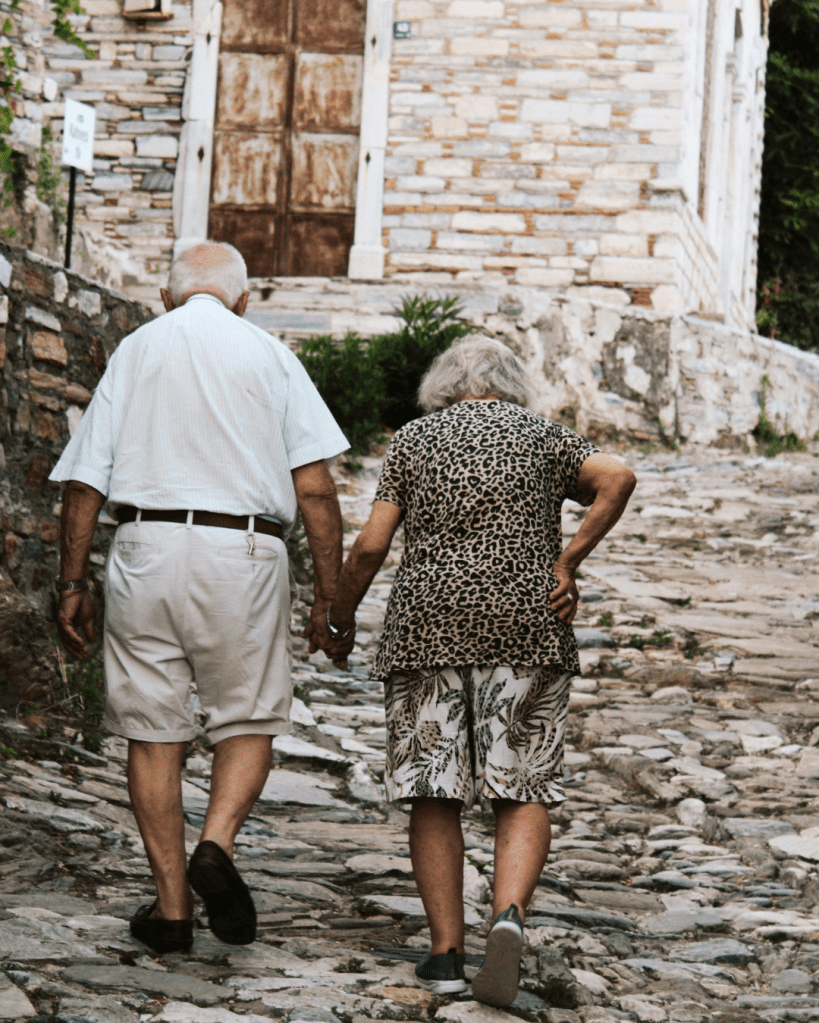
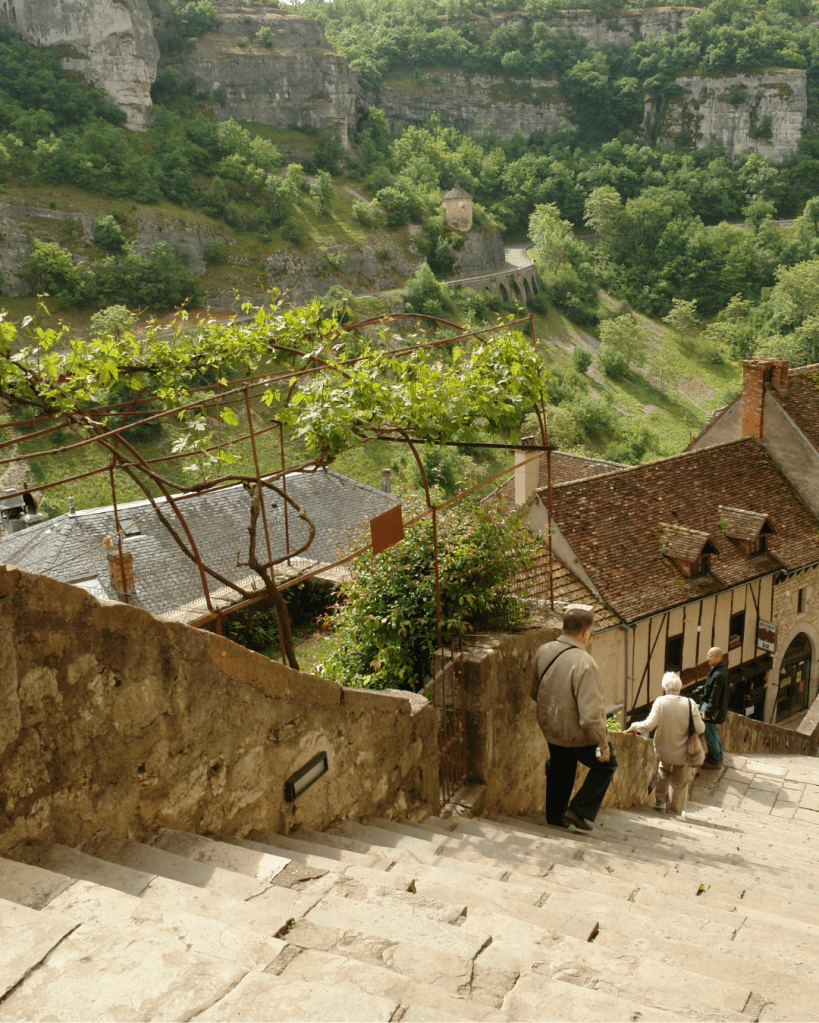
For generations, many Sardinian men worked as shepherds, spending hours each day walking across steep, rocky hillsides tending sheep. Their exercise wasn’t a conscious health choice – it was simply part of earning a living. Even today, many villages are built on slopes where daily life involves climbing uneven streets, carrying shopping and navigating scaling flights of steep stone steps.
Decades of walking over uneven terrain continually challenges the heart, strengthens the muscles around the hips and ankles, improves balance and provides the weight-bearing stimulus needed to maintain bone density. It is functional exercise by default repeated almost every day for a lifetime.
Traditional meals are equally uncomplicated. Beans, vegetables, whole grains, olive oil and sourdough bread form the backbone of the diet, with sheep’s and goat’s milk products providing much of the dairy. Meat is eaten sparingly, while a small glass of Cannonau red wine – rich in polyphenols (plant compounds associated with antioxidant, anti-inflammatory and cardiovascular benefits) – is often enjoyed with meals in the company of family and friends.
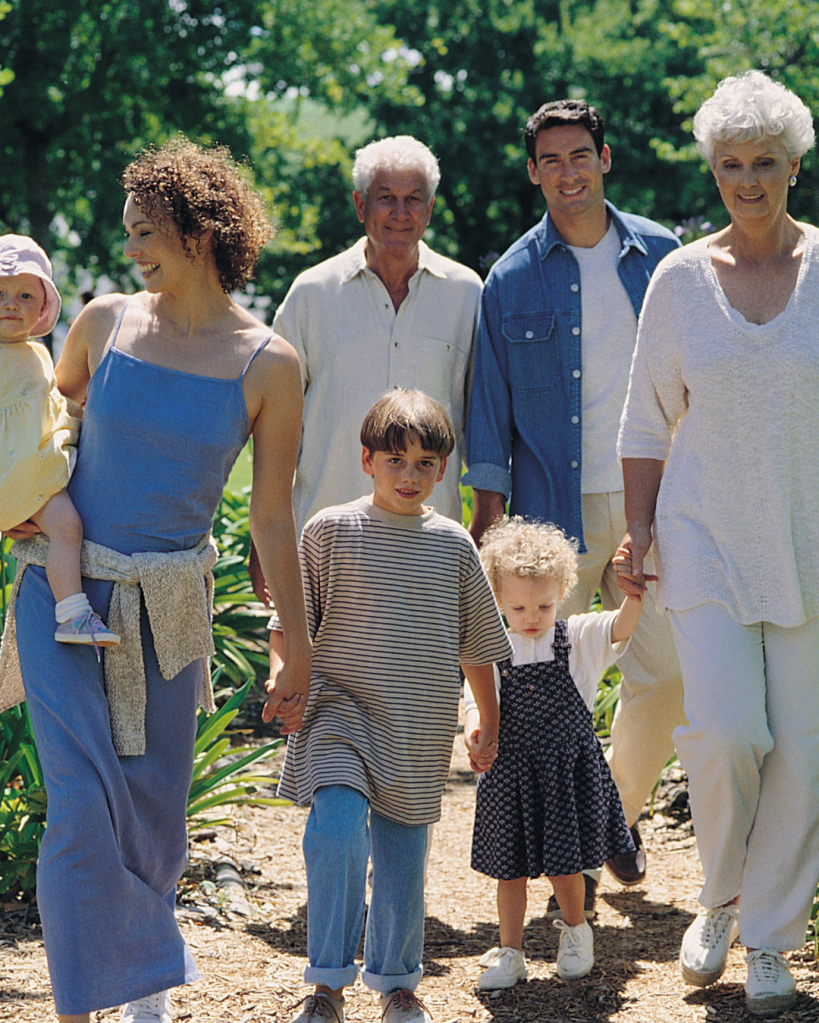
Family remains at the centre of Sardinian life. Several generations often live close together, with older adults continuing to care for grandchildren, share meals and pass on practical skills well into later life.
Okinawa: A Culture Centred on Purpose
If Sardinia demonstrates the power of movement, Okinawa illustrates the importance of purpose.
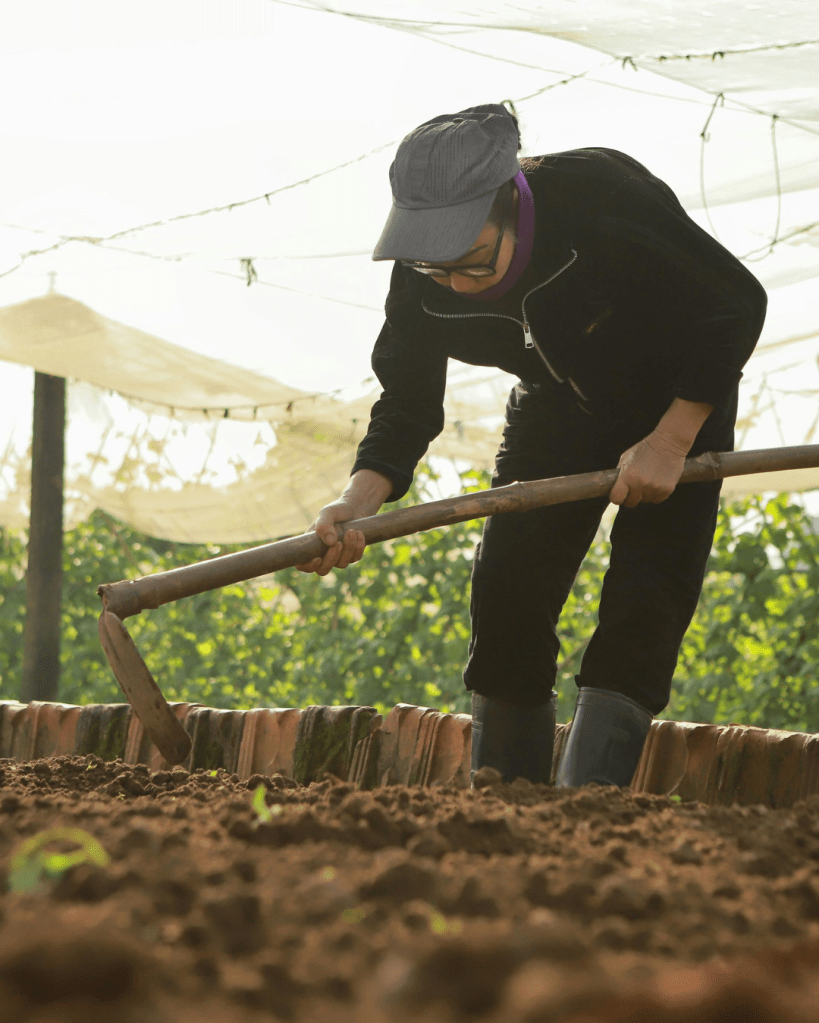
The Okinawan concept of ikigai, meaning “a reason for being”, reflects the belief that life should continue to have meaning regardless of age. Whether tending a vegetable garden, teaching traditional crafts, caring for grandchildren or volunteering within the community, many older adults continue contributing long after retirement.
Purpose is increasingly recognised as a powerful predictor of healthy ageing. Studies have linked a strong sense of purpose with lower rates of depression, better cognitive health and even a reduced risk of premature death.
Research suggests that chronic social isolation increases the risk of premature death by around 25–30% – a risk comparable to obesity and physical inactivity.
In Okinawa, moai are just as important ikigai – lifelong friendship groups formed in childhood that provide emotional, practical and sometimes financial support throughout life. Rather than trying to combat loneliness in later years, these communities prevent it from developing in the first place.
Even the traditional home encourages movement.
Meals have historically been eaten around low tables while sitting on tatami mats. Sitting down and standing back up several times a day requires quadriceps strength, hip mobility, balance and coordination – abilities that naturally decline with a life spent sitting.
One simple test often used by physiotherapists is whether someone can rise from the floor without using their hands. It reflects strength, flexibility and balance, all essential for maintaining independence in older age. In Okinawa, this movement is practised every day, multiple times a day.
The traditional diet is centred around vegetables, sweet potatoes, soy products, legumes and seaweed, with comparatively little processed food. Another long-standing custom is Hara Hachi Bu – stopping eating when around 80% full, recognising satisfaction early rather than overeating.
Nicoya Peninsula: A Plan Beyond Retirement
The tropical Nicoya Peninsula of Costa Rica offers another perspective on healthy ageing.
Here, many people speak of Plan de Vida – “life plan” – a belief that everyone should have a reason to get up each morning. Like Okinawa’s ikigai, it reflects the idea that purpose continues long after working life ends.
Many older adults remain physically and socially active by tending gardens, repairing homes, caring for grandchildren and helping neighbours. Retirement often means changing roles rather than withdrawing from community altogether.
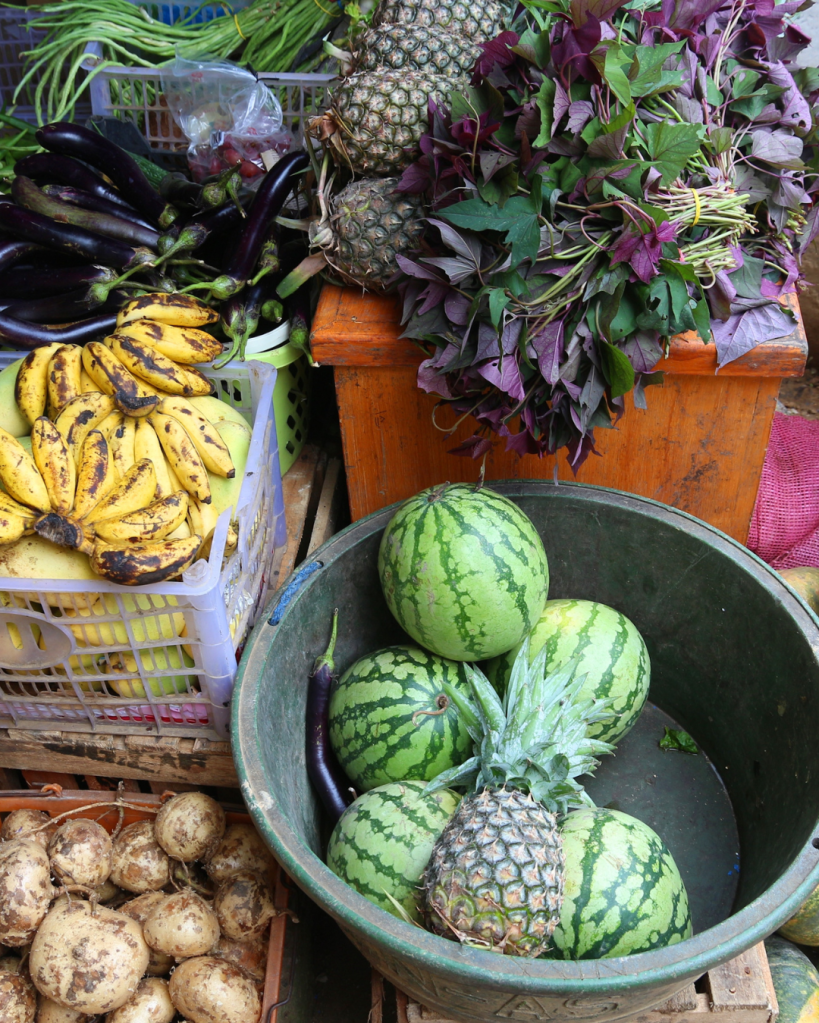
The traditional diet is built around beans, maize, squash, rice and tropical fruit – simple foods grown locally for generations. Beans and maize also complement one another nutritionally, together providing a more complete balance of essential amino acids than either food alone.
Life is largely lived outdoors. Gardens require tending, livestock need feeding and many daily journeys are still made on foot. Rather than scheduling exercise, physical activity is woven into everyday living.

Ikaria: The Power of Slowing Down
Here, life seems to move at a different pace.
Lunch can stretch well into the afternoon. Neighbours think little of dropping in unannounced, and village festivals often continue late into the evening with food, music and dancing shared across generations.
The traditional Mediterranean diet is rich in vegetables, legumes, olive oil, herbs, potatoes and whole grains, with modest amounts of fish and dairy. Wild herbs such as rosemary, sage and oregano frequently appear in both cooking and herbal teas.
Chronic stress is associated with increased cardiovascular disease, poorer sleep, depression and impaired immune function. Stress has not disappeared from Ikaria, but opportunities to recover from it are frequently built in. Shared meals, afternoon rests, strong social connections and regular unhurried community gatherings provide natural periods of psychological recovery.
The island’s steep hillsides also make walking part of everyday life. Even tending a garden often involves climbing terraces, carrying tools and navigating uneven ground.
Loma Linda: The Unexpected Blue Zone
Unlike the other Blue Zones, Loma Linda is neither remote nor isolated.
Situated in suburban Southern California, it demonstrates that exceptional longevity does not depend on living on a Mediterranean island or in a mountain village. Instead, it shows what can happen when an entire community shares healthy values.
Many of Loma Linda’s longest-lived residents belong to the Seventh-day Adventist Church, whose teachings encourage a predominantly plant-based diet, regular physical activity, avoiding tobacco and excessive alcohol, and maintaining strong family and community relationships.
One tradition stands out in particular: observing a weekly Sabbath.
Setting aside one day each week for worship, family, nature and rest creates a regular opportunity to step away from work and reconnect with people rather than productivity.
At a time when many of us struggle to switch off for even an evening, deliberately protecting time for recovery may be one of the community’s most overlooked health habits.
Perhaps Loma Linda’s greatest lesson is that you don’t need to live in a remote corner of the world to adopt many of the principles associated with healthy ageing.
The Environment Shapes Behaviour
Looking across all five Blue Zones, one pattern becomes impossible to ignore. Longevity isn’t driven by extraordinary willpower but by ordinary environments. The landscape, climate, occupations, homes and communities all create just enough healthy friction that movement, purpose and connection become a natural part of everyday life.
In Sardinia, the mountains demand climbing.
In Okinawa, sitting on the floor preserves the strength and mobility needed to remain
independent.
In Nicoya, gardening, farming and caring for family keep older adults physically active long after retirement.
In Ikaria, steep streets, outdoor living and a slower pace encourage walking, social connection and regular opportunities to recover from stress.
In Loma Linda, shared values create routines that prioritise community, rest and healthy living.
Healthy behaviours are not a daily battle between cravings and willpower. They are simply woven into the fabric of everyday life.
Take a look at modern life: Escalators replace stairs. Lifts replace climbing. Cars replace walking. Shopping arrives at the front door. Food is available year-round, regardless of season, often heavily processed and requiring little preparation. We spend much of the day seated – at work, in the car and finally on the sofa. In fact, adults in many high-income countries now spend on average around 9–10 hours each day sitting.
Convenience has transformed our lives for the better in countless ways, but it has also engineered movement out of our daily routines.
From the age of around 30, muscle mass naturally declines by approximately 3–8% per decade unless it is regularly challenged through physical activity, with the rate accelerating later in life. The body adapts remarkably well to whatever we repeatedly ask of it. Challenge muscles and bones and they become stronger. Use your balance and coordination and they are preserved. Stop asking those things of your body and, little by little, it begins to lose them.
Perhaps the greatest lesson from the Blue Zones is not that their residents exercise more. It’s that they have far fewer opportunities not to move.
What Can We Learn from the Blue Zones?
At first glance, the Blue Zones appear to have little in common.
Some drink wine; others rarely do. Some eat dairy; others very little. Their climates range from Mediterranean mountains and Greek islands to tropical forests and suburban California. Their religions, languages and traditions have evolved independently over centuries.
Yet beneath these differences lies a remarkably consistent pattern.
Food is simple, seasonal and minimally processed. Meals are prepared at home and shared with others rather than eaten alone on the move. Across the Blue Zones, around 90–95% of calories typically come from plant foods, with meat eaten in much smaller quantities than is common in many Western diets.
Movement isn’t confined to the gym. It happens while walking to the shops, tending gardens, climbing hills, carrying shopping, preparing meals and caring for family.
Older adults remain valued members of society. Rather than stepping away from life, they continue to contribute through work, childcare, volunteering, cooking and passing on knowledge. This ongoing sense of purpose may be just as important as any particular food on the plate.
Families stay connected. Friendships are lifelong. Communities provide practical help, emotional support and a sense of belonging that protects against loneliness.
Time outdoors is routine. Rest is respected. Spiritual or religious practices often provide structure, gratitude, peace and opportunities to reflect.
Perhaps most importantly, healthy choices require remarkably little willpower because the environment naturally encourages them.
There is probably no single secret to living beyond 100. Genetics, luck and circumstance will always play their part.
But the Blue Zones remind us that healthy ageing rarely depends on one superfood, one supplement or one perfect exercise programme. It emerges from hundreds of ordinary decisions repeated day after day, year after year, until they simply become a way of life.
Few of us are going to become shepherds in Sardinia or relocate to a Greek island. But
we can borrow many of their principles. Walk whenever possible. Cook from scratch more often. Protect your friendships. Spend time outdoors. Continue learning. In every stage of life – contribute. Maintain the strength and mobility that allows you to remain independent for as long as possible.
Sometimes the most powerful step towards better health isn’t adding something new. It’s stripping life back to basics.
It’s choosing the stairs over the lift. Walking instead of driving. Carrying your shopping rather than wheeling it. Sitting on the floor and standing back up again. Preparing a meal from fresh ingredients. Visiting a friend instead of sending a message.
In other words, it’s putting a little healthy friction back into everyday life.
Information and other content provided in these blogs should not be construed as medical advice and should not be considered a substitute for professional medical expertise. If you have any medical concerns, you should consult with your health care provider.


Leave a Reply