
For most of human history, relatively few people lived long enough to experience the full effects of ageing.
In prehistoric societies, average life expectancy was often little more than 30 years. Infectious diseases, injuries, childbirth and food shortages claimed lives long before
age-related diseases (and wrinkles) could evolve.
Advances in sanitation, nutrition, vaccination, medication and medical care overall
have transformed that picture. Today, reaching your 70s, 80s and beyond is just
common – it’s an expectation.
As a result, one of the greatest health challenges of modern life is no longer simply living longer, but remaining fit, healthy, capable and independent for as long as possible.
Entire industries have been built around our fear of ageing. Anti-ageing creams, collagen products, supplements and some formidably expensive serums all promise to turn back the clock.
Yet many of the most important consequences of ageing have little to do with wrinkles. What often matters most is whether we can continue carrying shopping bags, climbing stairs, travelling independently, recovering from illness and doing the activities we enjoy.
Ageing is inevitable. Frailty is not.

Ageing Versus Frailty
Perhaps the biggest misconception about ageing is that it inevitably leads to frailty.
Ageing is a universal biological process. Frailty is a clinical state characterised by poor strength, low physiological reserve and high vulnerability to illness, injury and loss of independence.
The two are related, but they are not the same thing.
Most people know someone who seems decades younger than their age and someone else who seems much older. The difference is often visible long before a birth date is
mentioned.
Some biological decline occurs with age. The extent to which those changes affect daily life varies enormously between individuals. This helps explain why one 80-year-old may still be hiking mountains while another struggles to climb a flight of stairs.
The Decades of Ageing
Your 30s: Changes Begin Quietly
Most people still feel physically robust throughout their 30s.
However, muscle mass typically peaks during the late twenties or early thirties. From this point onwards, unless muscle is actively maintained, a gradual decline begins. Contrary to popular belief, metabolism does not suddenly collapse after 30. Research suggests metabolic rate remains relatively stable throughout much of adult life. Weight gain during this decade is often more closely linked to changes in activity levels, sleep, stress and eating habits than to age or metabolic shifts alone.
The key point is that changes are occurring, but most remain subtle and highly responsive to lifestyle.
Your 40s: The First Signals
By the 40s, some age-related changes become more noticeable.
Recovery from intense exercise, illness and disrupted sleep may take longer. Strength can begin declining, particularly in those who are inactive.
Many people also discover that reading menus at arm’s length is no longer quite enough. This gradual loss of close-up focusing, known as presbyopia, is one of the most common and universal signs of ageing.
For women, perimenopause may begin during this decade, bringing hormonal fluctuations that can influence sleep, body composition, energy levels and recovery.

Your 50s: The Transition Decade
The 50s often mark a period of more significant physiological change.
Muscle loss accelerates if it is not actively challenged. Bone density gradually declines
and, for women, the reduction in oestrogen around menopause can accelerate this
process further.
Some people first notice these changes when opening stubborn jars becomes unexpectedly difficult. Others discover that carrying luggage through an airport requires more effort than it once did.
Cardiovascular risk factors such as high blood pressure, elevated cholesterol and insulin resistance also become increasingly important. The effects of lifestyle habits accumulated over previous decades begin to show themselves more clearly.
Your 60s and Beyond: Preserving Reserve
As we move into later life, maintaining physical reserve becomes increasingly important.
Muscle loss, known as sarcopenia, can reduce strength, balance and mobility. Bone becomes more fragile, increasing fracture risk. The immune system becomes less responsive, and recovery from illness may take longer.
Sleep often becomes lighter and more fragmented. Older adults tend to spend less time in deep, restorative sleep and wake more frequently during the night. Hormonal changes, medical conditions, medications and overnight trips to the bathroom can all contribute further.
Changes in posture may also become more apparent. Weakening of the muscles that support the spine, combined with age-related changes in bone, can gradually contribute to a more stooped appearance. Many people don’t notice it happening until they catch sight of themselves in a photograph.
At the same time, many aspects of the brain remain remarkably resilient. Knowledge, judgement, vocabulary and emotional regulation often remain stable or even improve with age.
Building Physiological Reserve
One of the most useful concepts in ageing research is physiological reserve.
This refers to the body’s spare capacity – the ability to cope with illness, injury, stress and the demands of daily life.
Physiological reserve is often invisible until it is needed. It is what allows you to carry heavy shopping bags without struggling, recover from a chest infection, walk around a new city all day on holiday or get up from the floor without using the furniture for assistance.
Ageing gradually reduces this reserve. Lifestyle influences how much reserve remains
available.
Muscle
Muscle is about far more than appearance. It supports movement, balance, metabolism, recovery and independence.
It also provides much of the shape and support beneath the skin. Some of the “sagging” commonly blamed on ageing reflects loss of underlying muscle and connective tissue, not just changes in the skin itself.
Strength training remains one of the most effective ways to preserve muscle mass and function throughout life. People can build strength and muscle well into their 70s, 80s and beyond. All it takes is enough resistance, sufficient protein and a plentiful supply of motivation and consistency.
Cardiovascular Fitness
The heart, lungs and circulation all respond positively to regular physical activity.
Aerobic exercise improves endurance, reduces cardiovascular risk and helps preserve the capacity to remain active and independent.
Bone Health
Bone is living tissue that responds to mechanical stress.
Resistance training, weight-bearing exercise and adequate nutrition help maintain bone strength throughout life.
Sleep
Sleep is when much of the body’s maintenance and repair work takes place.
Consistently poor sleep is associated with impaired recovery, poorer metabolic health, reduced cognitive function and increased risk of chronic disease.
Nutrition
The body is constantly repairing, replacing and rebuilding itself.
Adequate protein supports muscle maintenance, fibre supports metabolic and gut health, and a varied diet provides the vitamins and minerals required for countless biological processes.
Smoking and Alcohol
Some lifestyle factors build physiological reserve. Others gradually erode it.
Smoking accelerates many of the biological processes associated with ageing. It damages blood vessels, increases inflammation, impairs lung function, reduces skin elasticity and increases the risk of cancers, cardiovascular diseases and osteoporosis.
Excessive alcohol consumption can also accelerate ageing by disrupting sleep, impairing recovery, increasing blood pressure, damaging the liver and contributing to loss of muscle mass and cognitive decline over time.
Neither smoking nor alcohol causes ageing itself, but both can significantly influence how ageing is experienced and how much physiological reserve remains available later in life.
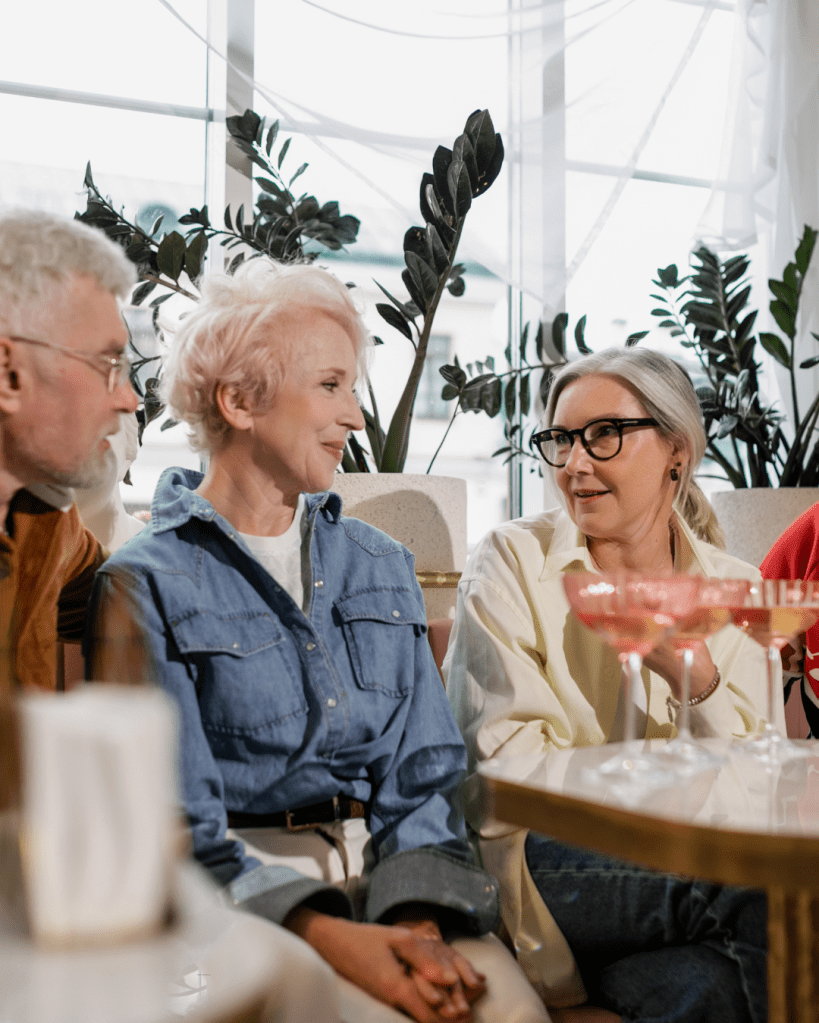
Social Connection
Healthy ageing is not purely physical.
Strong social relationships are associated with better physical health, lower rates of depression, reduced cognitive decline and improved longevity. Social connection appears to influence stress responses, resilience, physical activity and health behaviours throughout life.
What About Genetics?
Genetics undoubtedly influence how we age, but they do not determine everything.
Research suggests inherited factors account for only part of the variation in lifespan.
Lifestyle, environment and social factors play a substantial role in determining how long people remain healthy, active and independent.
Looking Beyond the Individual
If ageing inevitably leads to frailty, how do we explain the existence of the world’s Blue Zones – small pockets of the globe where people routinely live longer than average and where exceptional longevity is unusually common?
These communities provide compelling evidence that the way we age is influenced by far more than the passage of time alone. Their lessons extend beyond diet and exercise and offer valuable clues about what helps people remain healthy throughout a long life.
We’ll explore those lessons in the next article.
The End Result
The greatest predictor of how well we’ve aged is not the number of candles on the birthday cake. It’s about how much physical and physiological reserve we maintain
along the way.
Muscle, strength, balance, cardiovascular fitness, bone health, sleep, nutrition and social connection all act like savings accounts for later life. The more we invest in them, the more resilience we have when illness, injury and life’s inevitable challenges strike.
Most people are less concerned about the number of years they have lived than what those years allow them to do.
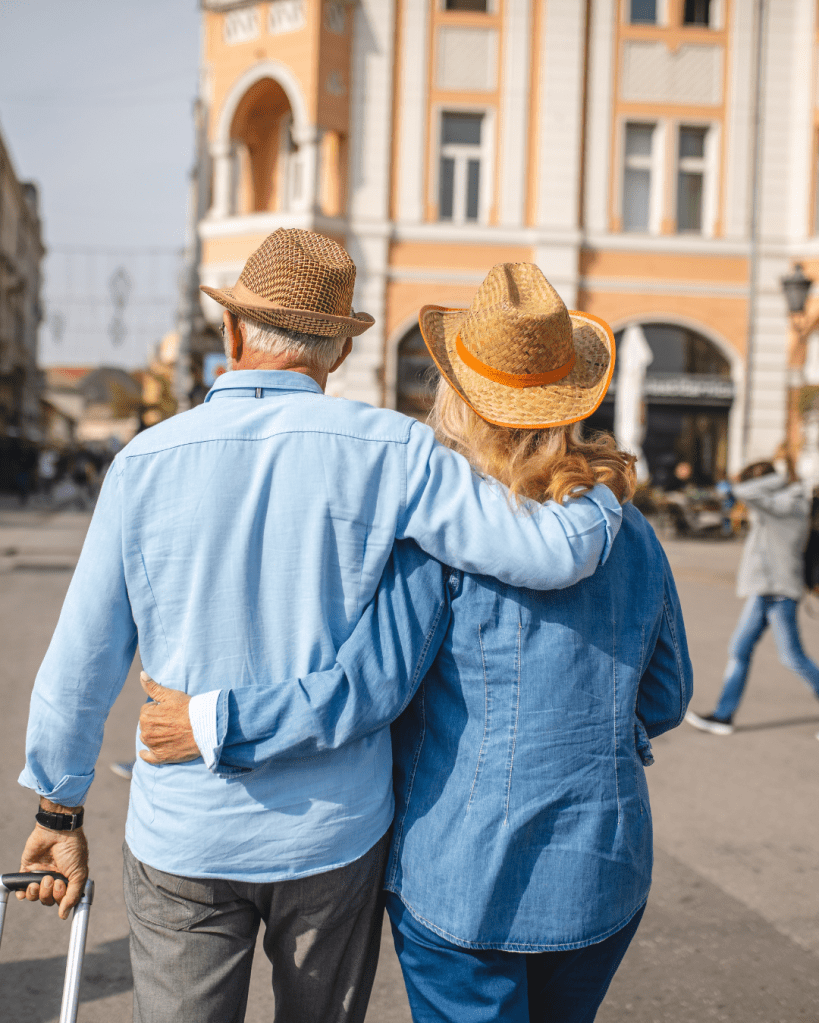
Can you carry your own luggage? Walk up a hill without stopping? Get up from the floor? Remain independent?
These are measures of capability, not age.
The goal is not to stop ageing. The goal is to preserve capability.
Ageing is inevitable. Frailty is not.
Information and other content provided in these blogs should not be construed as medical advice and should not be considered a substitute for professional medical expertise. If you have any medical concerns, you should consult with your health care provider.


Leave a Reply