
A Timeless Mystery
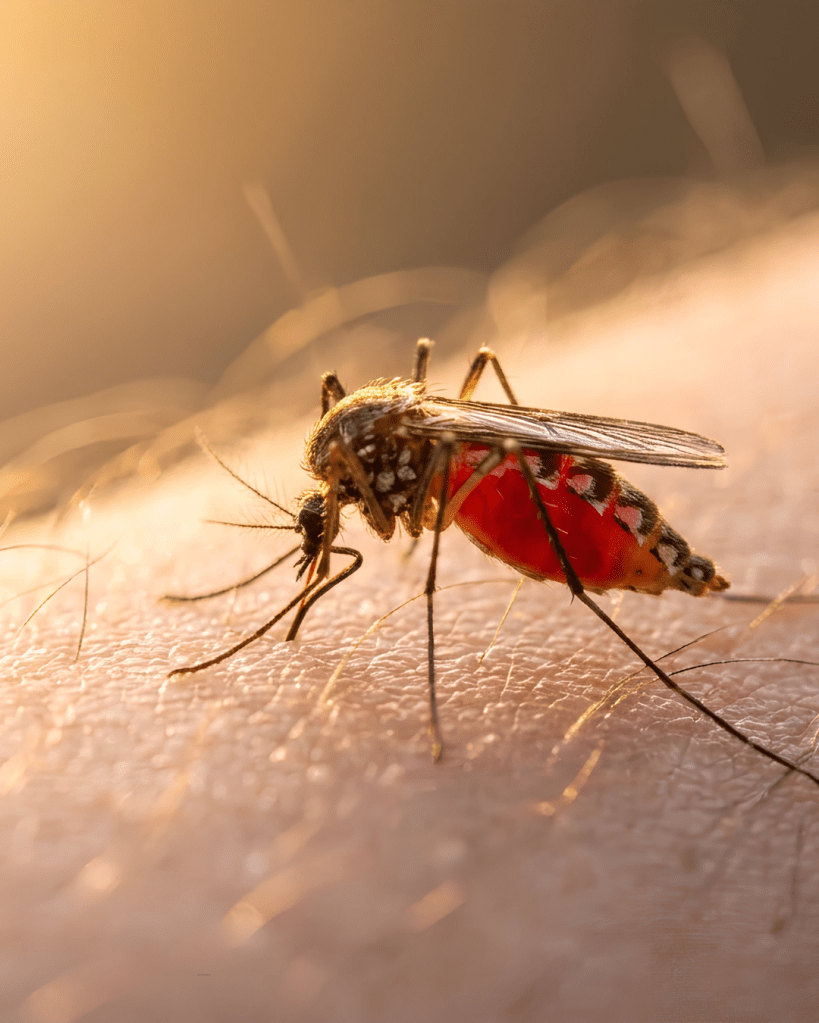
You’re sitting outside with friends one summer’s evening. The mosquitoes seem completely uninterested in your neighbours, while utterly obsessed with you. Some leave untouched, while others spend the whole evening swatting, and the whole night scratching.
It feels unfair. But it isn’t random.
Mosquitoes use a sophisticated combination of smell, heat and chemical signals to locate a blood meal. Some people simply produce stronger signals than others.
First, They Find Your Breath
Carbon dioxide is one of the most important cues mosquitoes use.
Every time you exhale, you release a plume of carbon dioxide that mosquitoes can detect from several metres away. It acts as an early warning signal that a potential host – or even an appetiser – is nearby.
This helps explain why larger-bodied people often receive more bites. Larger bodies generally produce more carbon dioxide because they have higher metabolic demands. Pregnant women also tend to be bitten more frequently, partly because pregnancy increases metabolic rate and carbon dioxide production.
Following Your Chemical Trail
Once mosquitoes get closer, they switch to a more detailed chemical fingerprint.
Human skin releases hundreds of chemical compounds through sweat and skin oils.
Among the most important are lactic acid, ammonia, uric acid and a group of compounds known as carboxylic acids.
The exact mixture varies from person to person, creating a unique scent profile. To a mosquito, this chemical mixture acts like a personalised scent trail.
Why Exercise Can Make You More Attractive
Ever noticed mosquitoes seem particularly enthusiastic after a run?
Exercise increases:
- Body temperature
- Sweating
- Carbon dioxide production
- Lactic acid release
In other words, exercise temporarily amplifies several of the signals mosquitoes are programmed to look for to locate their hosts.

Your Skin Microbiome
Your skin is home to billions of bacteria.
These microbes break down sweat and skin secretions, producing many of the odours mosquitoes detect. Different bacterial communities produce different chemical by-products. Because everyone’s skin microbiome is different, everyone’s scent profile is different too.
This helps explain why two people sitting side by side can have very different experiences with mosquitoes.
Is It Genetic?
Partly.
Genes influence body odour, sweat composition, skin chemistry and even aspects of the skin microbiome itself. So part of your attractiveness to mosquitoes may be inherited.
Research suggests identical twins show more similar levels of mosquito attractiveness than non-identical twins.
While there is no single “mosquito magnet gene”, genetics appear to influence several traits mosquitoes find appealing.
What About Blood Type?
This theory refuses to die.
There is some evidence that mosquitoes may show a preference for people with blood group O. However, the effect appears relatively small compared with the other factors already mentioned.
Blood type may contribute, but it is unlikely to be the deciding factor.
Why Do Some People Seem Invisible?
Some people simply produce fewer of the signals mosquitoes are looking for. Others may produce compounds mosquitoes find less appealing.
It’s not that mosquitoes never notice these people.
They’re just lower down on the menu.
The Bite Isn’t the Problem – Your Immune System Is
The itchy bump isn’t caused by the bite itself.
When a mosquito feeds, it injects saliva containing proteins that help prevent blood clotting. Your immune system recognises these proteins as foreign and releases histamine, leading to redness, swelling and itching.
Some people develop only a small reaction. Others produce dramatic welts that linger for days.
In many cases, the difference reflects immune sensitivity rather than how much blood the mosquito actually removed.
A Female Phenomenon
Male mosquitoes feed on nectar. Female mosquitoes also consume nectar but require a blood meal to obtain the protein needed for egg production.
Every mosquito bite you’ve ever received came from a female.
Why Do They Love Ankles?
Mosquitoes do not necessarily prefer ankles because they taste better.
Odour-producing bacteria are particularly abundant around the feet and ankles, generating many of the scent compounds mosquitoes use to locate hosts.
Carbon dioxide also disperses through the air and can accumulate closer to ground level, where many mosquito species begin their search for a host.
The result? Ankles often become the first point of attack.
The World’s Deadliest Animal
When people think of dangerous animals, they tend to picture sharks, snakes or large predators.
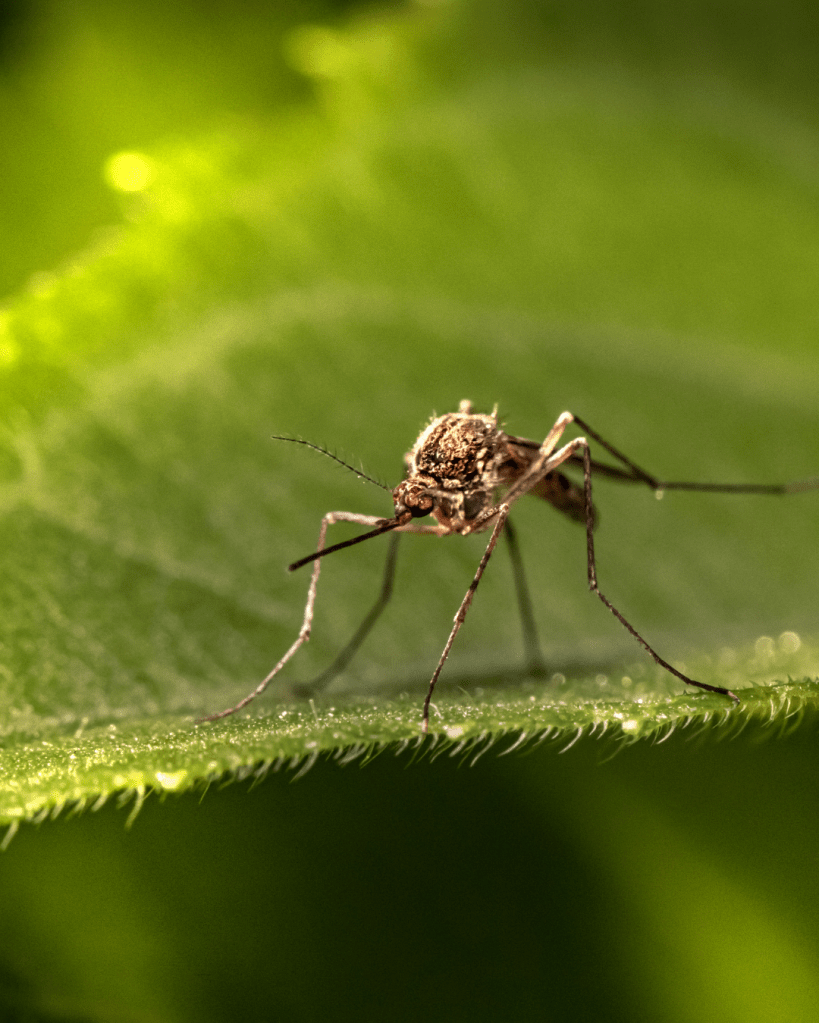
In reality, mosquitoes are responsible for more human deaths than any other animal on Earth. Through diseases such as malaria, dengue fever, Zika virus, chikungunya and yellow fever, they affect hundreds of millions of people every year.
To most of us, mosquitoes are summer pests. In many parts of the world, avoiding their bite is about far more than avoiding an itchy nuisance.
Repellents: What Actually Works?
DEET: Effective, Unpopular, Hard to Beat
DEET remains one of the most effective insect repellents available.
Rather than killing mosquitoes, DEET interferes with their ability to detect the chemical signals that guide them towards us. It smells distinctive, can feel greasy and isn’t especially pleasant to use, but decades of research have shown it to be highly effective and generally safe.
It is also effective against many other biting insects, including ticks, biting flies and numerous species of sandfly.
Natural Alternatives
Citronella, peppermint, lemongrass and other plant-derived repellents can help, but they generally provide shorter-lasting protection because they evaporate more quickly. One exception is oil of lemon eucalyptus, which performs considerably better than most natural alternatives and can approach the effectiveness of lower-concentration DEET products.
For an evening in the garden, natural repellents may be perfectly adequate. For a tropical rainforest, most experts would still reach for DEET.
A Word on Sandflies
If mosquitoes are irritating, sandflies are their vindictive cousins.
Their bites can be intensely itchy and, in some people, linger for days or even weeks.
DEET, picaridin and oil of lemon eucalyptus offer the best protection, alongside long sleeves and trousers. Because sandflies are so small, loose fitting clothing often becomes more important as a physical barrier than repellent.
The Conclusion
Mosquitoes are not choosing their victims at random. They are following a sophisticated trail of carbon dioxide, body heat, skin chemistry and scent molecules produced by both us and the billions of microbes living on our skin.
Some of these factors change from day to day. Others are influenced by genetics and are largely beyond our control.
So if you’re the person everyone jokes about … to a mosquito, you genuinely smell better than everyone else.
To find out more click the links below:
- Citronella Essential Oil
- Peppermint Essential Oil
- Lemongrass Essential Oil
- Lemon Eucalyptus Essential Oil
- Natural Insect Repellent Spray
Information and other content provided in these blogs should not be construed as medical advice and should not be considered a substitute for professional medical expertise. If you have any medical concerns, you should consult with your health care provider.


Leave a Reply