
Poisons, Remedies, Survival and the Origins of Modern Medicine
Few environments demonstrate the fine line between poison and remedy quite like the jungle. Beneath the canopy, the same ecosystem that produces venomous snakes, toxic frogs and painful insect stings has also provided some of humanity’s most important medicines. For centuries, indigenous communities learned through observation which plants could heal, which creatures to avoid and which remedies were worth passing from one generation to the next. Modern medicine continues to draw upon many of those discoveries today.
From antimalarial drugs and anaesthetic agents to lifesaving antivenoms, jungle medicine is a story of survival, experimentation and discovery.
The Jungle: Nature’s Pharmacy and Poison Cabinet
The rainforest is one of the most chemically diverse environments on Earth. Plants, insects, fungi, amphibians and animals have evolved an extraordinary range of compounds to defend themselves, capture prey and evade predators.
Many of these chemicals evolved to solve problems in the jungle. Humans later applied those discoveries to solve problems in medicine further afield.
The difference between a poison and a remedy is often dose. Many are one and the same compound. The challenge is knowing how much is helpful and how much is harmful.
When Nature Bites Back
Most jungle encounters result in nothing more than a good story. A handful can result in a medical emergency.
Snakes
In Central America, the fer-de-lance is responsible for many serious snake bites. Its venom contains enzymes that begin breaking down tissue almost immediately after a bite. At the same time, it interferes with the body’s clotting system, increasing the risk of bleeding. The result can be rapidly progressive swelling, severe pain, bruising and tissue damage around the bite site.
Scorpions
Most scorpion stings cause intense local pain rather than life-threatening illness. However, some species produce neurotoxins that interfere with sodium channels within nerves, causing them to fire repeatedly.
This overstimulation of the nervous system can lead to sweating, tingling, muscle twitching, agitation and a racing heartbeat.
Children are generally at greater risk of severe complications than healthy adults.
Spiders
Most spiders are harmless to humans. One notable exception is the Brazilian wandering spider.
Its venom contains neurotoxins that disrupt communication between nerves and muscles. Symptoms may include severe pain, sweating, elevated blood pressure and muscle spasms.
Bullet Ants
Named for a sting often described as feeling like a gunshot wound, bullet ants have earned a formidable reputation throughout Central and South America.
Their sting delivers a neurotoxin called poneratoxin, which disrupts nerve signalling and produces intense, often prolonged pain that can persist for many hours.
The sting is rarely dangerous. The pain can be enormous.
Poison Dart Frogs
These brightly coloured frogs contain batrachotoxins, among the most potent naturally occurring neurotoxins known.
The toxins prevent nerves and muscles from switching off properly, potentially leading to paralysis and fatal disturbances in heart rhythm.
Indigenous groups historically used some of these toxins on hunting darts, giving rise to their name.
Venomous or Poisonous?
Know the difference:
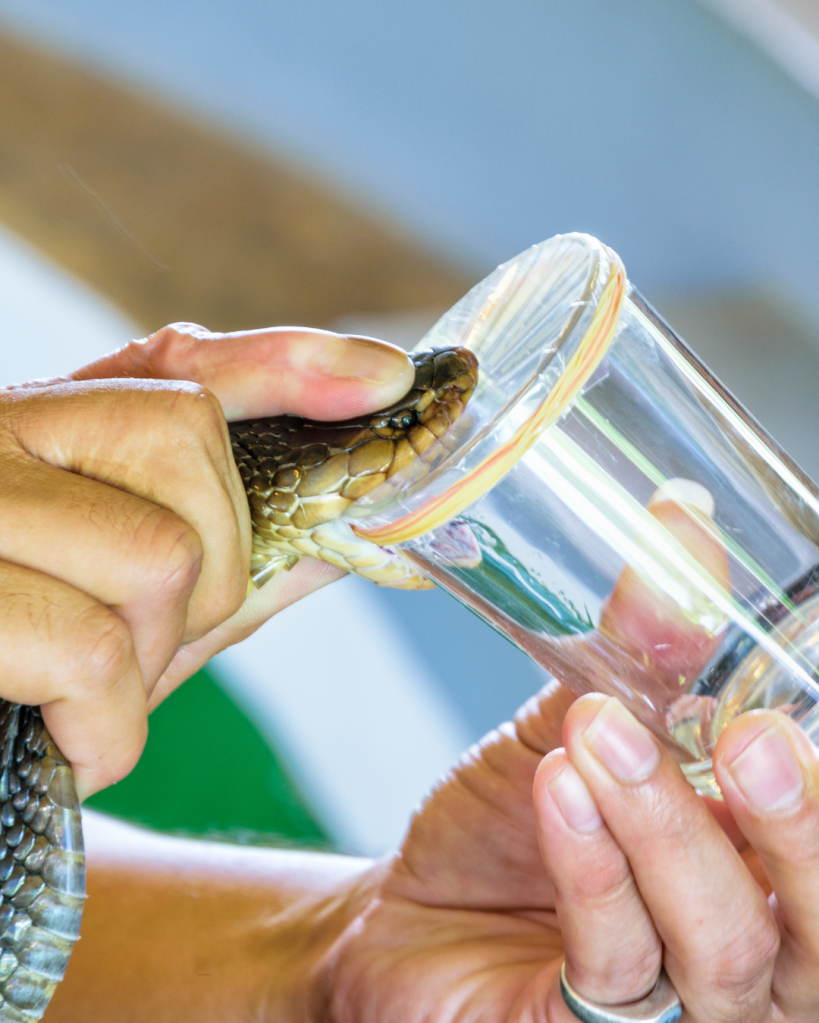
- Venomous animals inject toxins through bites, stings or spines.
- Poisonous animals contain toxins that are harmful when touched, inhaled or
eaten.
A snake is venomous.
A poison dart frog is poisonous.
A useful jungle rule: If it bites you and you get sick, it’s venomous. If you bite it and you get sick, it’s poisonous.
Venom, Poison and Antivenom: What’s Actually Happening?
Venoms are complex mixtures of proteins and other biologically active compounds designed to disrupt normal body function.
Some attack nerves.
Some damage muscle.
Some trigger uncontrolled clotting, while others prevent blood from clotting altogether. Others damage blood vessels and organs directly.
This is why symptoms vary so dramatically between species.
The Timeline of a Dangerous Bite or Sting
Although every species is different, medically significant envenomations often follow a similar pattern.
Seconds to Minutes
- Pain
- Burning
- Swelling
- Tingling
- Adrenaline-fuelled panic
30 Minutes to Several Hours
- Progressive swelling
- Increasing pain
- Nausea
- Sweating
- Muscle twitching
- Changes in heart rate
Several Hours to 24 Hours
- Peak symptom burden for many bites and stings
- Tissue damage becomes more apparent
- Bleeding abnormalities may develop
- Neurological symptoms can emerge
24–72 Hours
- Symptoms may gradually improve
- Alternatively, tissue injury and complications may continue evolving
Some of the most dangerous effects of venom may not appear for several hours.
How Do You Know If a Bite Is Dangerous?
Warning signs include:
- Rapidly increasing swelling
- Severe or worsening pain
- Bleeding
- Muscle weakness
- Difficulty breathing
- Altered consciousness
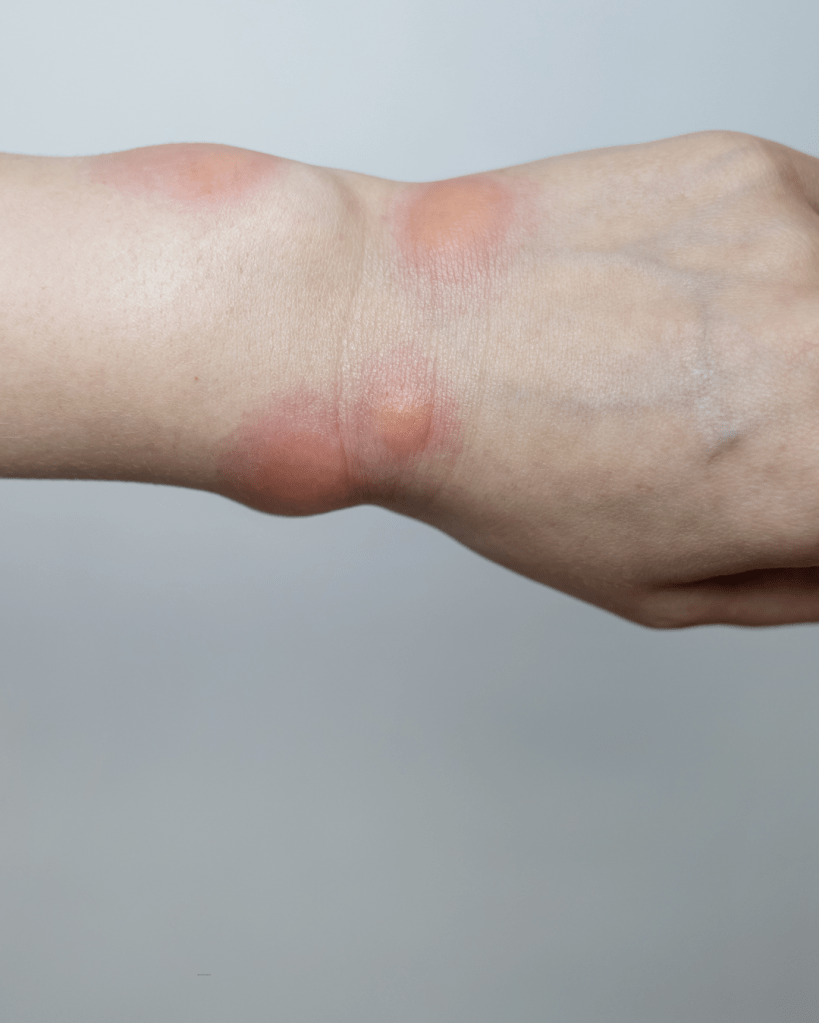
In contrast, mild itching, local redness and minor swelling are far more commonly associated with non-dangerous bites and stings.
When in doubt, get to safety and seek medical attention. The jungle is not the ideal environment for guesswork.
What Is Antivenom?
Antivenom is essentially borrowed immunity.
Small amounts of venom are introduced to animals, most commonly horses, allowing them to produce antibodies against the toxin. Those antibodies are then purified and used to help neutralise venom in humans following a bite or sting.
Once administered, the antibodies bind to venom molecules circulating in the bloodstream, preventing them from attaching to tissues and causing further damage.
Why Can’t Backpackers Carry Antivenom?
Antivenom is not something travellers can buy and carry. Most products are designed for specific species, often require refrigeration and can occasionally trigger severe allergic reactions. They are therefore stored in hospitals where monitoring and emergency treatment are available.
Production is also expensive. A single treatment may require multiple vials and can cost hundreds or thousands of dollars. Ironically, snakebite is often most common in rural regions where access to antivenom is most limited.
How Plants Fight Back
Unable to run from predators or escape disease, plants rely on chemistry for defence. Many produce compounds that repel insects, deter animals or protect against infection.
Over millions of years, this process has created an extraordinary library of biologically active compounds.
Some of those same compounds have gone on to inspire medicines used around the world.
Jungle Discoveries That Changed Medicine
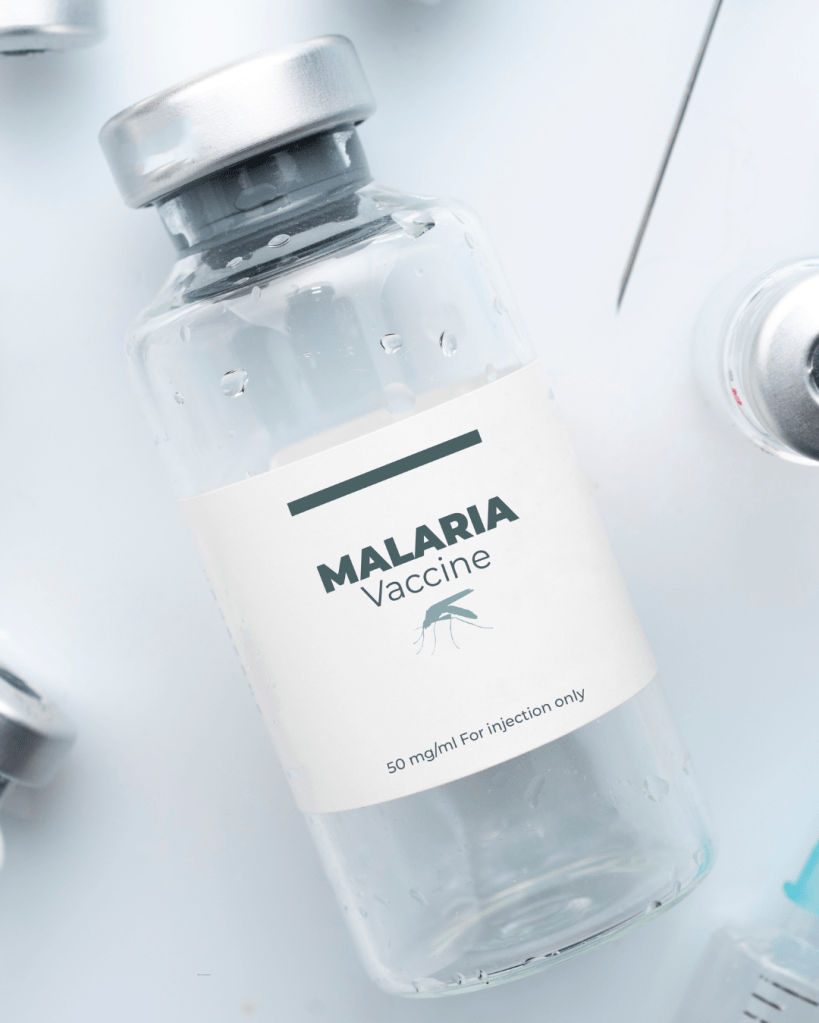
Quinine: The Tree That Helped Fight Malaria
Indigenous peoples of South America used preparations made from cinchona bark to treat fevers. Scientists later isolated quinine, which became one of the first effective treatments for malaria.
Quinine works by interfering with the malaria parasite’s ability to survive within red blood cells. Before its discovery, malaria caused enormous mortality across tropical regions and severely limited exploration, trade and settlement.
Curare: From Hunting Dart to Operating Theatre
Indigenous groups throughout the Amazon used curare-coated darts to immobilise prey.
Researchers later discovered that curare blocks acetylcholine receptors at the junction between nerves and muscles, preventing muscles from contracting.
Related compounds are still used today as muscle relaxants during surgery and anaesthesia.
Coca: The Leaf of the Andes
For centuries, Andean communities have chewed coca leaves to combat fatigue, suppress hunger and improve tolerance to high altitude.
Coca leaves contain stimulant alkaloids that increase alertness and reduce fatigue, helping explain these effects.
While the concentrated drug cocaine has taken on a very different story, coca remains an example of how indigenous knowledge often identified biologically active plants long before their chemistry was fully understood.
Remedies from the Rainforest
Sangre de Drago (Dragon’s Blood)
Rich in tannins and other bioactive compounds, this deep red tree sap has traditionally been applied to cuts, wounds and insect bites. It forms a protective barrier over damaged skin and may help reduce bleeding.
Guava Leaves
Guava leaf tea has been used throughout Central and South America for digestive symptoms and diarrhoea. The leaves contain tannins, which help reduce fluid secretion into the bowel.
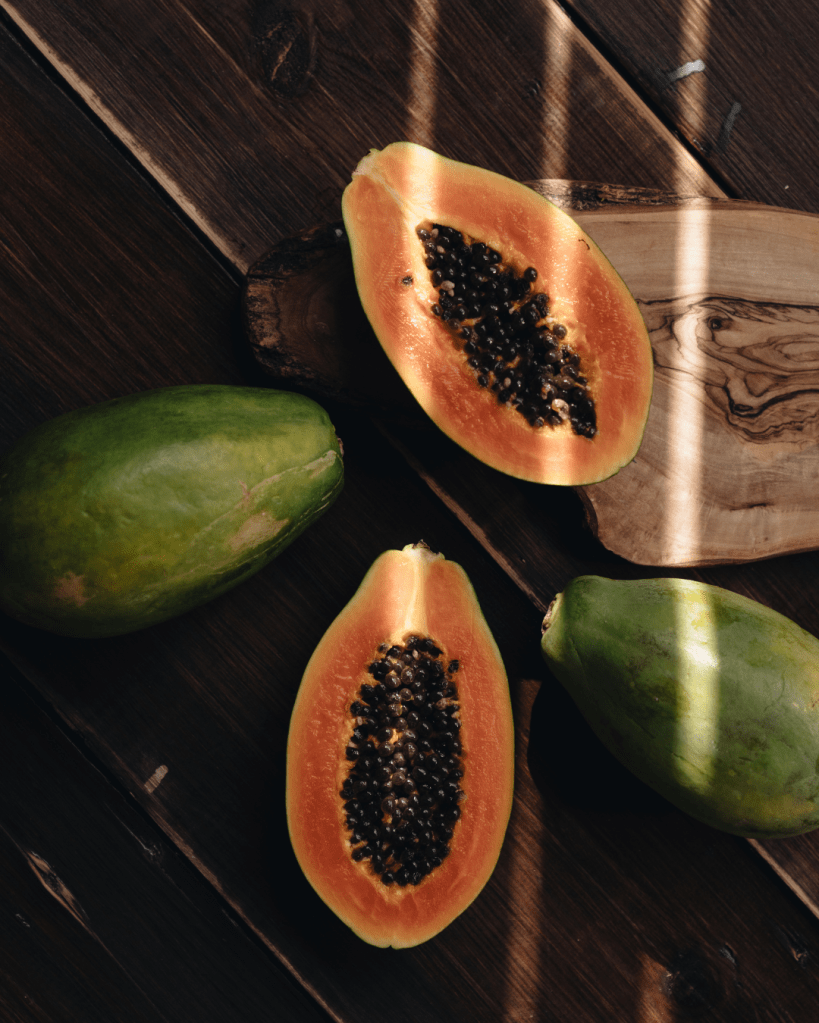
Papaya
Papaya contains papain, an enzyme that breaks down proteins. The same enzyme that has traditionally been used to support digestion is also widely used to tenderise meat.
Cacao
Before becoming synonymous with chocolate, cacao was valued as both food and medicine. Rich in flavonoids and stimulant compounds such as theobromine, cacao was prized for its effects on energy, mood and alertness.
The Traveller’s Medicine Cabinet
Of all the items I’ve carried through Central America, Tiger Balm has probably justified its luggage allowance more than any other.
It won’t neutralise venom, cure infection or prevent stings, but when mosquitoes, sandflies and mystery bites have decided you’re the evening buffet, offering near-instant relief from an itch you’ve spent all evening trying not to scratch truly feels like a miracle.
The combination of menthol and camphor creates cooling or warming sensations that help distract the nervous system from itch and irritation, reducing the urge to scratch.
One word of caution: Tiger Balm comes in warming and cooling varieties. Knowing which one you’ve bought before enthusiastically applying it to sensitive body parts is generally a wise life decision. Experience suggests that not every region of the body appreciates a generous application of extra-strength warming balm.
What Indigenous Medicine Gets Right – And Wrong
Traditional medicine is sometimes portrayed as either ancient wisdom that can do no wrong or outdated folklore that should be ignored.
The truth lies somewhere in between.
Many important medical discoveries began with indigenous observations of the natural world. In many cases, modern medicine simply represents the process of testing, refining and understanding observations that began within these indigenous communities.
Beneath the Canopy
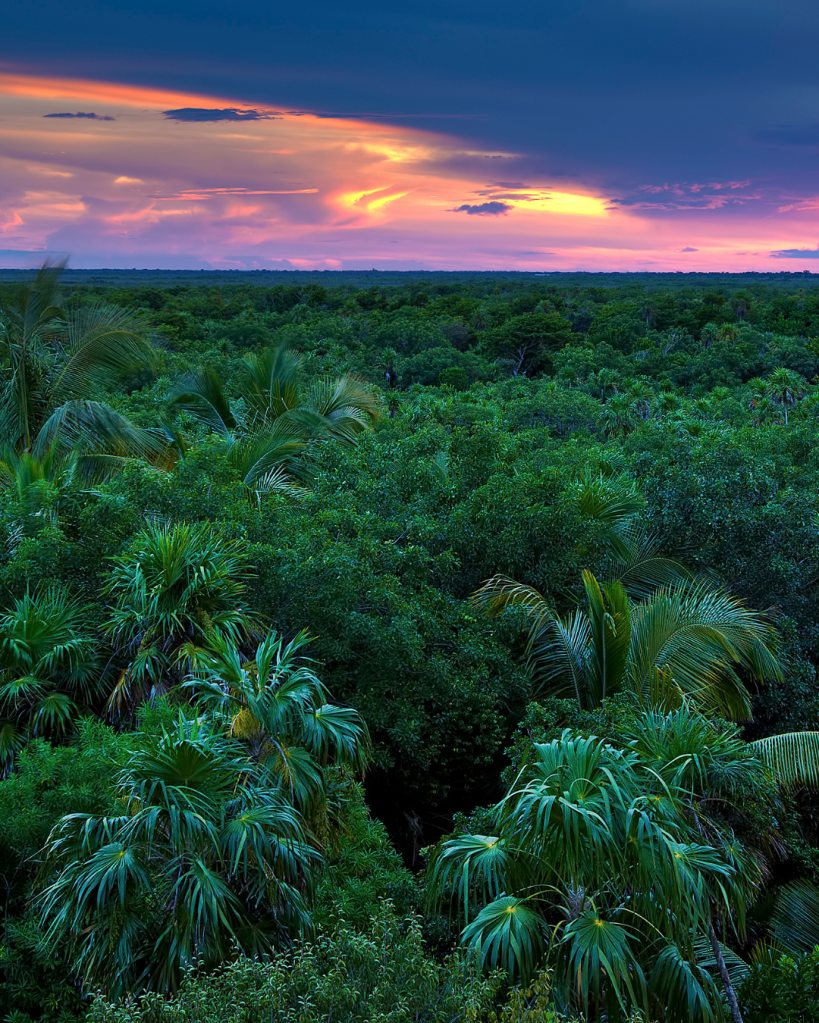
Many of medicine’s most important discoveries began with observation. A bark that reduced fever. A hunting poison that relaxed muscles. A tree sap applied to wounds. The question was never whether these things worked, but how.
The jungle remains one of the world’s greatest natural laboratories. It has given us antimalarials, anaesthetic drugs, powerful toxins, antivenoms and countless biological insights. Yet only a fraction of rainforest species have been studied in detail.
Somewhere beneath the canopy, the next important medical discovery may still be growing, crawling or hiding in plain sight.
Information and other content provided in these blogs should not be construed as medical advice and should not be considered a substitute for professional medical expertise. If you have any medical concerns, you should consult with your health care provider.


Leave a Reply