
Most people associate protein with bodybuilders, athletes and protein shakes. In reality, every cell in the body relies on protein. It helps build and repair tissues, produce hormones and enzymes, support immunity, maintain muscle mass and keep us feeling fuller for longer.
While severe protein deficiency is uncommon in developed countries, many people consume less than is optimal for their age, lifestyle and body’s requirements. The gap is often greatest in older adults, women, people trying to lose weight and those recovering from illness or injury.
What Is Protein?
Protein is made up of amino acids, compounds used throughout the body to build and repair tissues, produce hormones and enzymes, support immunity and maintain muscle.
Unlike carbohydrates and fat, the body has no dedicated protein storage system. This means a regular dietary supply is needed to support ongoing repair, maintenance and growth.
Why Protein Matters
Protein plays a central role in maintaining muscle and strength, supporting recovery after illness or exercise, contributing to immune function and helping regulate appetite. These functions become increasingly important as we age.
From around the age of 30, adults gradually begin losing muscle mass. This process accelerates after the age of 60 and can be worsened by inactivity, illness, hospitalisation and poor nutrition.
Loss of muscle is not simply a cosmetic issue. It can contribute to:
- Reduced strength
- Impaired balance
- Increased risk of falls
- Slower recovery from illness
- Greater frailty
- Loss of independence
Muscle acts as a reserve of strength and resilience. The more muscle we preserve as we age, the better equipped we are to remain active, mobile and independent.
For older adults, adequate protein intake may be one of the most important nutritional strategies available.
How Much Protein Do We Need?
The Recommended Daily Allowance (RDA) is:
0.8 g per kilogram of body weight per day
However, this represents the minimum amount required to avoid deficiency rather than the amount many experts consider optimal.
General Adults: 1.0–1.2 g/kg/day
A 70 kg adult would require approximately 70–84g of protein daily.
Physically Active Adults: 1.2–1.6 g/kg/day
Strength Training and Muscle Building: 1.6–2.2 g/kg/day
Weight Loss: 1.2–1.8 g/kg/day
Higher protein intakes can help preserve muscle mass during calorie restriction.
Older Adults: 1.2–1.6 g/kg/day
Ageing muscles become less responsive to dietary protein, meaning older adults often require more protein, not less.

Pregnancy and Breastfeeding
Protein requirements rise during pregnancy and remain elevated while breastfeeding. A practical guide is:
- First trimester: similar to baseline needs
- Second trimester: approximately 10g extra daily
- Third trimester: approximately 25g extra daily
Adolescence and Puberty
Periods of rapid growth increase protein requirements due to the development of muscle, bone and other tissues.
Why Women Often Need More Protein Than They Think
Protein is often marketed towards men trying to build muscle, yet women may stand to benefit just as much from paying attention to protein intake. Protein becomes particularly important during:
- Puberty
- Pregnancy
- Breastfeeding
- Perimenopause
- Menopause
- Later life
Many women consume relatively little protein at breakfast and lunch, relying heavily on an evening meal to meet their needs. Over time, this can make it more difficult to maintain muscle mass, particularly during periods of hormonal change.
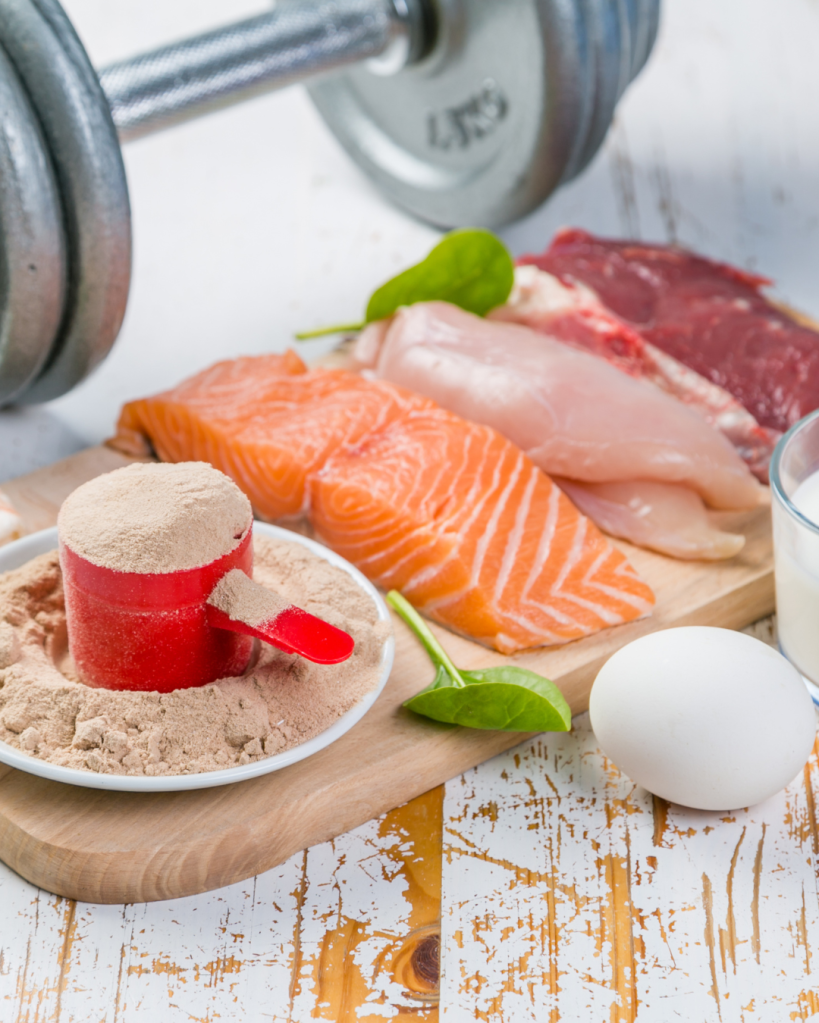
Natural Sources of Protein
Animal sources: chicken, fish, eggs, Greek yoghurt, cottage cheese and milk.
Plant sources: tofu, tempeh, edamame, lentils, chickpeas, beans and peas.
Nuts and seeds: almonds, pumpkin seeds, chia seeds and hemp seeds.
While nutritious, nuts and seeds generally provide less protein relative to their calorie content than many people realise.
Protein Density: Getting More Protein for Fewer Calories
Not all protein sources provide the same amount of protein relative to calories.
| Food | Protein | Calories |
| Chicken breast (100g) | 30g | 165 |
| Cod (100g) | 23g | 105 |
| Greek yoghurt (200g) | 20g | 120 |
| 2 Eggs | 12g | 140 |
| Lentils (100g cooked) | 9g | 115 |
| Chickpeas (100g cooked) | 9g | 165 |
| Almonds (30g handful) | 6g | 175 |
This doesn’t mean almonds are unhealthy. It simply highlights that foods can be nutritious without being particularly protein-dense.
Understanding this distinction can be useful when trying to increase protein intake without dramatically increasing calorie intake.
Protein Doesn’t Have to Be Expensive
Increasing protein intake doesn’t require powders, supplements or specialist products. Some of the most affordable sources include milk, eggs, beans, lentils and canned fish such as tuna or sardines.
Protein powders can be convenient, particularly for athletes or busy individuals, but they are supplements rather than necessities. Some products contain substantial amounts of added sugar, sweeteners and flavourings, while whole-food protein sources often provide additional vitamins, minerals and fibre.

Signs You May Not Be Getting Enough Protein
Mild protein inadequacy can be surprisingly subtle. Possible signs include:
- Increased hunger
- Reduced strength or muscle mass
- Slower recovery from illness or exercise
- Fatigue
- Hair thinning, brittle nails or poor wound healing
These symptoms can have many causes, but protein intake is sometimes overlooked.
Can You Have Too Much Protein?
For most healthy individuals, moderately high-protein diets appear safe. However, more is not always better.
Once the body has used the amino acids required for repair and maintenance, surplus protein is broken down. The nitrogen component is excreted in urine, while the remainder may be used for energy or stored as body fat if overall calorie intake exceeds requirements.
In other words, excess protein is not automatically converted into muscle.
Consuming substantially more protein than needed is unlikely to provide additional benefits and may simply become an expensive source of excess calories. People with significant kidney disease should seek medical advice regarding appropriate protein intake.
Closing the Gap
Protein is often viewed through the narrow lens of sport and bodybuilding. In reality, it plays a central role in strength, recovery, immunity, healthy ageing and day-to-day function.
The challenge is rarely severe deficiency. More often, it’s the quieter gap between the protein we need and the protein we actually consume.
For growing teenagers, pregnant women, active adults, people trying to lose weight and older adults hoping to preserve strength and independence, closing that gap may be one of the most impactful nutritional changes they can make.
To find out more click the links below:
- Protein Collection
- Super Protein with Fibre
- Pea Protein Powder
- Soya Protein with Vitamins & Minerals
Information and other content provided in these blogs should not be construed as medical advice and should not be considered a substitute for professional medical expertise. If you have any medical concerns, you should consult with your health care provider.


Leave a Reply