Most of us pay little attention to our nails until they start splitting, peeling or breaking. While often dismissed as a cosmetic issue, nails are complex structures that can reflect everything from daily habits and nutrition to underlying health conditions.
What Are Nails Made Of?
Nails are made primarily of keratin, a structural protein also found in hair and skin. New nail cells are produced in the nail matrix beneath the cuticle before being pushed forwards to form the visible nail.
Fingernails grow at an average rate of around 3 mm per month, meaning it can take four to six months for a fingernail to completely replace itself. This is one reason why improvements in nail health are often slower than people expect.
Feeding Your Nails: Nutrients, Deficiencies and Supplements
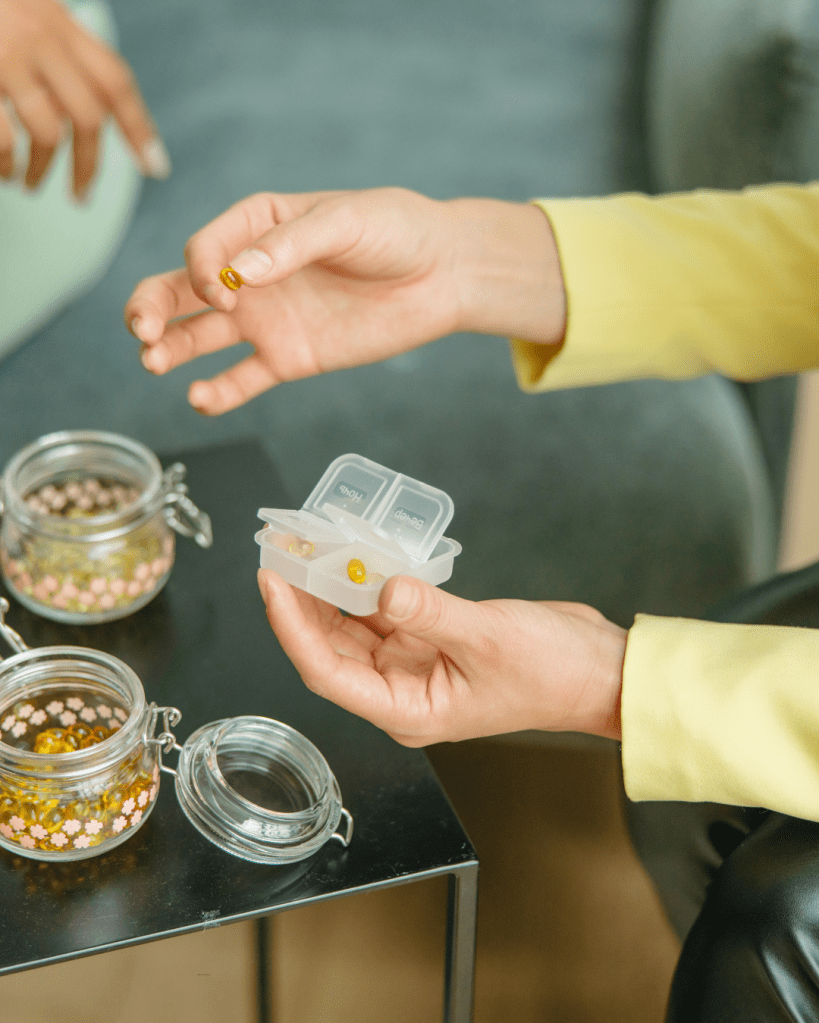
Healthy nails require adequate protein, iron, zinc and a range of vitamins to support growth and repair. However, supplements tend to be most helpful when correcting a genuine deficiency rather than providing additional nutrients to someone who already has adequate levels
1. Protein
Because nails are largely made from keratin, adequate protein intake provides the raw materials needed for growth.
People more at risk of inadequate protein intake include older adults, those following highly restrictive diets and individuals recovering from illness.
2. Iron
Iron helps deliver oxygen to rapidly growing tissues, including the nail matrix. Low iron levels have been linked to brittle nails, slower growth and, in some cases, spoon-shaped nails.
You may be at greater risk of iron deficiency if you:
- Have heavy menstrual bleeding
- Follow a vegetarian or vegan diet
- Participate in endurance sports
- Cannot absorb iron efficiently i.e. coeliac disease or inflammatory bowel disease
Fatigue, breathlessness, dizziness and brittle nails occurring together may warrant further investigation.
3. Zinc
Zinc plays an important role in cell growth, protein synthesis and tissue repair. People more at risk include:
- Individuals with digestive disorders
- Strict vegetarians and vegans
- Those with chronic diarrhoea
- Older adults with poor dietary intake
Poor wound healing, hair thinning and changes in taste or smell may sometimes accompany deficiency.
4. Biotin
Biotin is one of the most heavily marketed nutrients for nail health. While deficiency can contribute to brittle nails, true biotin deficiency is uncommon in otherwise healthy adults consuming a varied diet.
What About Supplements?
Biotin, zinc and “hair, skin and nail” supplements are widely promoted for stronger nails. Some studies suggest they may benefit people with brittle nails or nutritional deficiencies, but evidence in healthy individuals remains less convincing.
For those concerned about dietary intake, products containing nutrients such as biotin, zinc and other vitamins may be worth considering. However, they should complement a balanced diet rather than replace one.
Why Are My Nails Breaking?
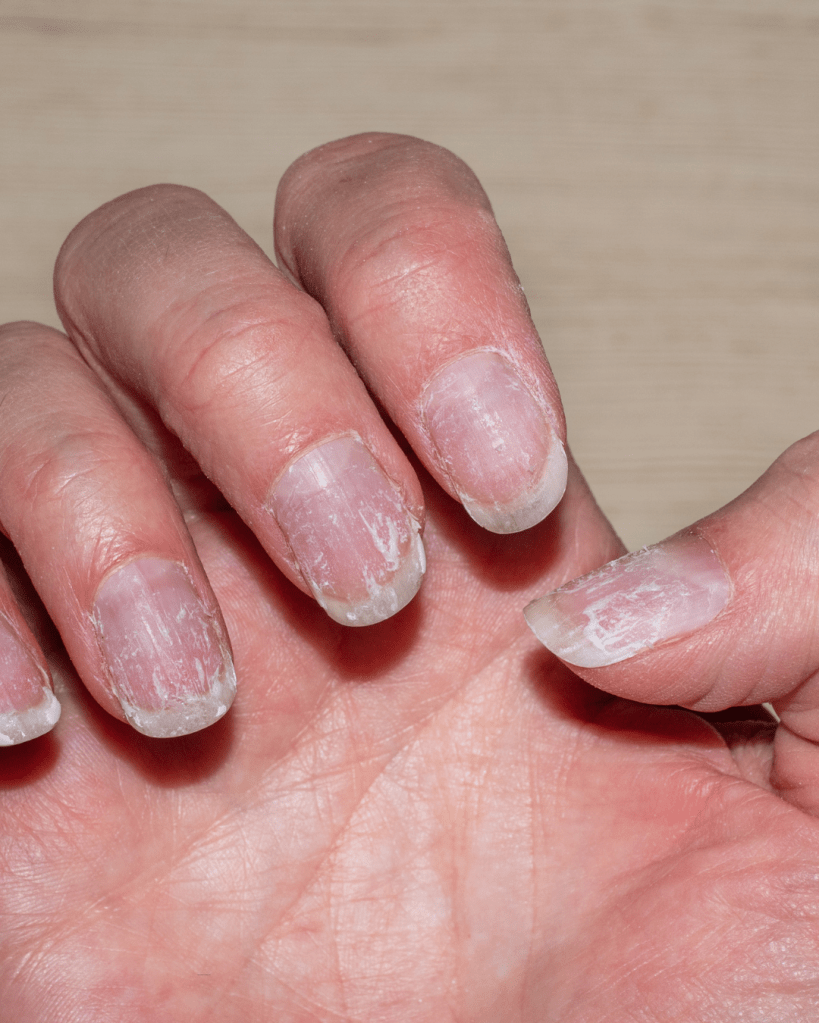
Brittle nails are one of the most common nail complaints, and nutritional deficiencies are only one possible explanation.
Repeated Wetting and Drying
Frequent cycles of soaking and drying can weaken the nail plate over time. This is particularly common among healthcare workers, hairdressers, cleaners and people who regularly wash dishes without gloves.
Nail Trauma
Many of us use our nails as miniature tools. Opening cans, scraping labels, picking at packaging and repeatedly tapping hard surfaces can gradually weaken the nail structure.
Ageing
As we get older, nails naturally become drier and more fragile, making splitting and peeling more common.
Gel and Acrylic Treatments
Repeated exposure to acetone-based removers, aggressive buffing and artificial nail treatments can contribute to nail thinning and breakage.
Nutritional Deficiencies
Although less common than the factors above, deficiencies in iron, zinc or protein may also contribute to fragile nails.
Do Manicures Damage Nails?
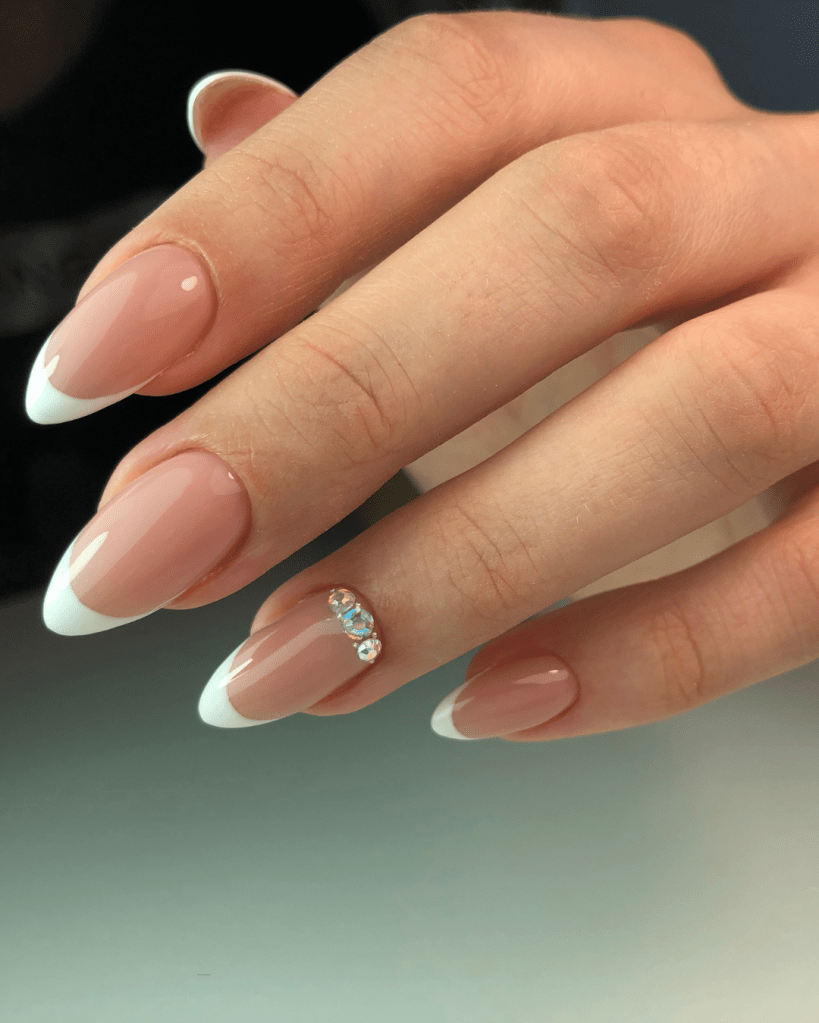
This is one of the most common questions people ask about nail health.
Traditional Nail Polish
Traditional nail polish appears to cause little long-term damage for most people. The main issue is dryness associated with frequent use of nail polish removers.
Gel Manicures
Research suggests repeated gel manicures may contribute to:
- Nail thinning
- Peeling
- Increased brittleness
- Allergic reactions to nail products
Interestingly, the biggest culprit is often removal rather than application. Picking, scraping and excessive filing can damage the nail plate far more than the gel itself.
Acrylic Nails
Acrylic nails carry a higher risk of nail trauma and may increase the risk of infection if the artificial nail begins to separate from the natural nail beneath.
What About UV Lamps?
Current evidence suggests the cancer risk from occasional exposure to manicure UV lamps is likely to be very low, although long-term data remains limited.
A Common Myth
Contrary to popular belief, nails do not need to “breathe”. Nails are made of dead keratin cells and receive nutrients from the blood supply beneath them. The issue with frequent manicures is not lack of oxygen, but repeated filing, acetone exposure and mechanical trauma.
For most people, the occasional gel manicure is unlikely to cause lasting damage. Problems tend to arise when nails are repeatedly treated without periods of recovery.
Clues Beneath the Surface
Most nail changes are harmless and relate to ageing, trauma or everyday wear and tear. Occasionally, however, nails can provide clues to something happening elsewhere in the body.
Beau’s lines are horizontal grooves that can appear after significant illness, major surgery or other forms of physical stress. They occur when nail growth temporarily slows before restarting, leaving a visible mark that gradually moves towards the fingertip as the nail grows.
A new dark streak beneath a nail should always be assessed, particularly if it is changing in appearance. While many are harmless, some can represent a rare form of skin cancer known as subungual melanoma.
Other nail changes occasionally linked to underlying conditions include spoon-shaped nails associated with iron deficiency, nail pitting seen in psoriasis and clubbing, where the fingertips enlarge and the nails curve around them.
When Is It Worth Seeing a Doctor?
Consider seeking medical advice if you develop:
- Sudden or significant nail changes
- Persistent splitting despite good nail care
- A new dark streak beneath a nail
- Nails lifting away from the nail bed
- Pain, swelling or recurrent infections
The Nail Health Checklist
✓ Eat enough protein
✓ Maintain adequate iron and zinc intake
✓ Wear gloves for prolonged wet work
✓ Avoid picking off gel polish
✓ Limit excessive filing and buffing
✓ Moisturise cuticles regularly
✓ Address underlying skin conditions
✓ Be patient — nails grow slowly
If your nails are becoming brittle, breaking more easily or changing appearance, they may simply be reflecting everyday wear and tear. Occasionally, however, they can offer useful clues about what is happening elsewhere in the body. Sometimes the smallest structures tell the biggest stories.
To find out more click the links below:
Information and other content provided in these blogs should not be construed as medical advice and should not be considered a substitute for professional medical expertise. If you have any medical concerns, you should consult with your health care provider.


Leave a Reply