
There’s something reassuring about remedies that have stood the test of time.
Long before supplements lined shelves and wellness trends filled our feeds, turmeric was already being used – not just as a cooking spice or natural colouring, but as a medicinal compound.
So what is it about this vivid golden spice that has kept it relevant for centuries… and does it actually live up to the attention it’s receiving now?
1. Where It All Began: Origin & Historical Use
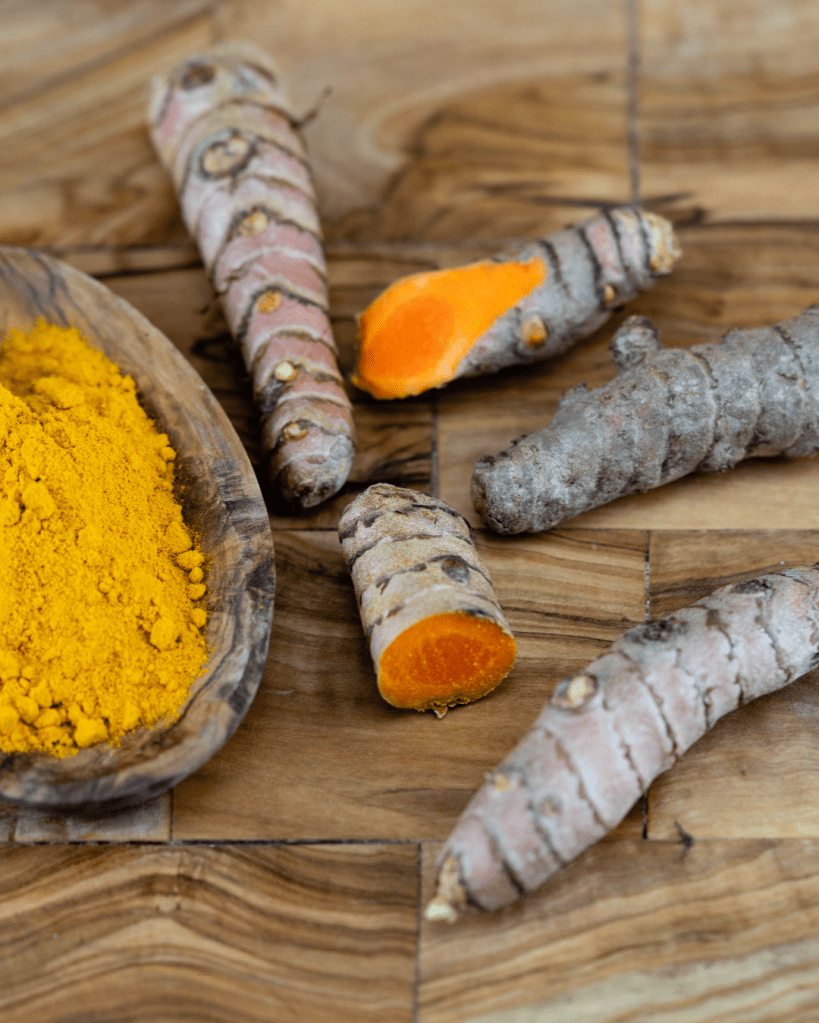
Turmeric comes from the root of the Curcuma longa plant, part of the ginger family, native to South Asia, particularly India.
Its use dates back over 3,000–4,000 years, where it was deeply embedded in both:
- Ayurvedic medicine
- Traditional Chinese Medicine
Historically, turmeric wasn’t used in isolation or in capsules. It was:
- Mixed into food (curries, broths, teas)
- Applied topically to wounds and skin conditions
- Used in rituals and cultural ceremonies
In Ayurvedic practice, it was often used to support digestion, recovery after illness, and inflammatory conditions.
2. Cultures That Use It Most
Turmeric remains most prominent in:
- South Asian cultures
- Parts of Southeast Asia
- Increasingly in Western wellness culture
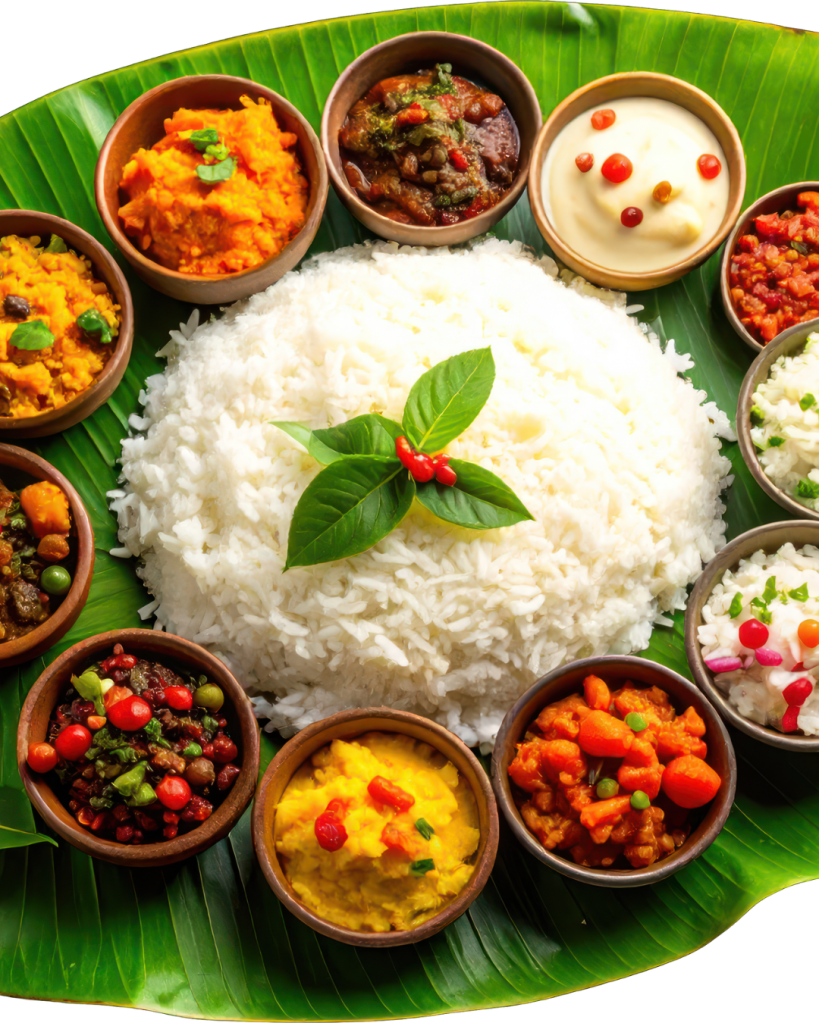
In traditional diets – particularly in India – turmeric is consumed regularly in small amounts, often:
- Cooked with fats such as ghee or oil
- Combined with spices like black pepper
This matters because it reflects how turmeric was traditionally used – not as a highdose intervention, but as part of a wider dietary pattern.
Populations with traditionally high turmeric intake have historically shown lower rates of certain chronic inflammatory diseases. However, this sits within a much broader context of diet, lifestyle, genetics, and environment – turmeric is unlikely to be the sole explanation.
3. The Science: What Does Turmeric Actually Do?
The active compound in turmeric is curcumin – this is where most of the research is focused. Curcumin has been shown to have:
- Anti-inflammatory effects
- Antioxidant properties
What does that mean in practice?
Inside the body, cells are constantly communicating – sending signals that control processes like inflammation, repair, and immune response.
In many chronic diseases, these signalling systems become dysregulated.
For example:
- In chronic inflammation, the “inflammation ON” signal can remain active for too
long - In some conditions, cells may grow or divide when they shouldn’t
- In others, immune responses become exaggerated or poorly controlled
So rather than a single fault, many diseases involve a disruption in how cells communicate and regulate themselves.
Where does curcumin come in?
Curcumin appears to influence several of these inflammatory pathways. Research suggests it may:
- Reduce activity of inflammatory compounds such as cytokines and NF-kB
- Lower production of inflammatory chemicals involved in pain and swelling
- Support some of the body’s own antioxidant defence systems
Oxidative stress occurs when unstable molecules known as free radicals build up faster than the body can neutralise them, contributing to cellular damage over time. Curcumin appears to help support the systems involved in limiting this damage.
Where evidence is strongest
Research into curcumin is still evolving, but evidence appears strongest in conditions involving chronic inflammation – particularly osteoarthritis.
In some osteoarthritis studies, certain curcumin formulations have been shown to reduce pain and stiffness scores by around 20–30% compared to placebo over several weeks. Some trials have even demonstrated symptom improvement comparable to low-dose anti-inflammatory medication (though results vary considerably between studies).
There is also emerging evidence that curcumin may modestly improve:
- Blood sugar regulation
- LDL cholesterol and triglyceride levels
- Markers of systemic inflammation such as CRP
However, the effects are generally supportive rather than transformative.
How long does it take to notice a benefit?
This is where expectations matter.
In studies looking at joint pain and inflammation, some people report improvements within around 4–8 weeks of consistent daily supplementation.
However:
- Effects are rarely immediate
- Not everyone notices a clear difference
- Benefits appear more likely with regular long-term use than occasional intake
With dietary turmeric alone rather than concentrated supplements, the effects are likely to be smaller and slower to develop.
One important limitation
Curcumin is poorly absorbed on its own.
Absorption improves when:
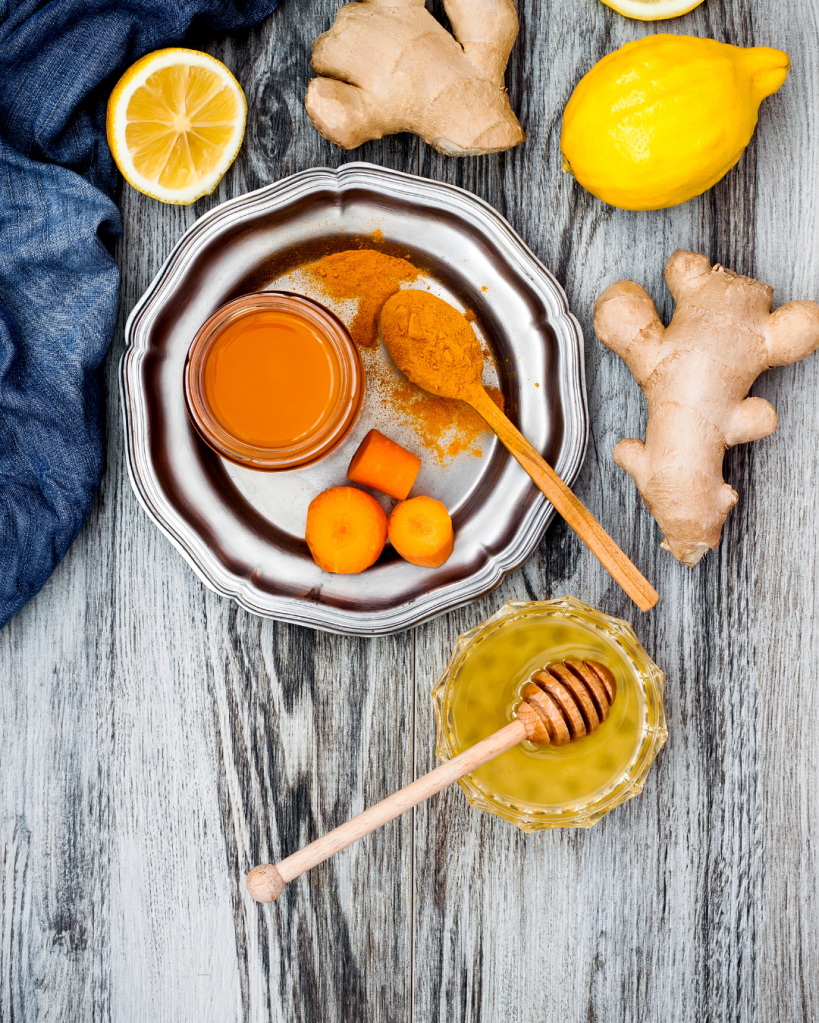
- Taken with black pepper (piperine)
- Consumed with fa
Without this, much of it simply passes through the digestive system without being effectively absorbed.
Another important distinction is that many studies use concentrated curcumin extracts rather than culinary turmeric alone.
The amount of curcumin naturally present in turmeric powder is relatively low, and absorption varies considerably depending on formulation. This means the effects seen in research studies may not always translate directly to simply adding turmeric to food – although regular dietary intake may still contribute to long-term health as part of an overall dietary benefit.
4. Does It Actually Work?
The honest answer is: yes – but with context.
Turmeric is not:
- A quick fix
- A replacement for medical treatment
- A standalone solution to chronic disease
But it may be a useful adjunct in some situations, particularly for inflammatory conditions such as osteoarthritis.
Importantly, turmeric is unlikely to offset the effects of poor sleep, chronic stress, inactivity, or a heavily processed diet – factors contributing to chronic inflammation.
Like most nutritional interventions, its effects appear most meaningful when combined with broader lifestyle habits.
5. Who Is It For?
Turmeric may be worth considering for people who:
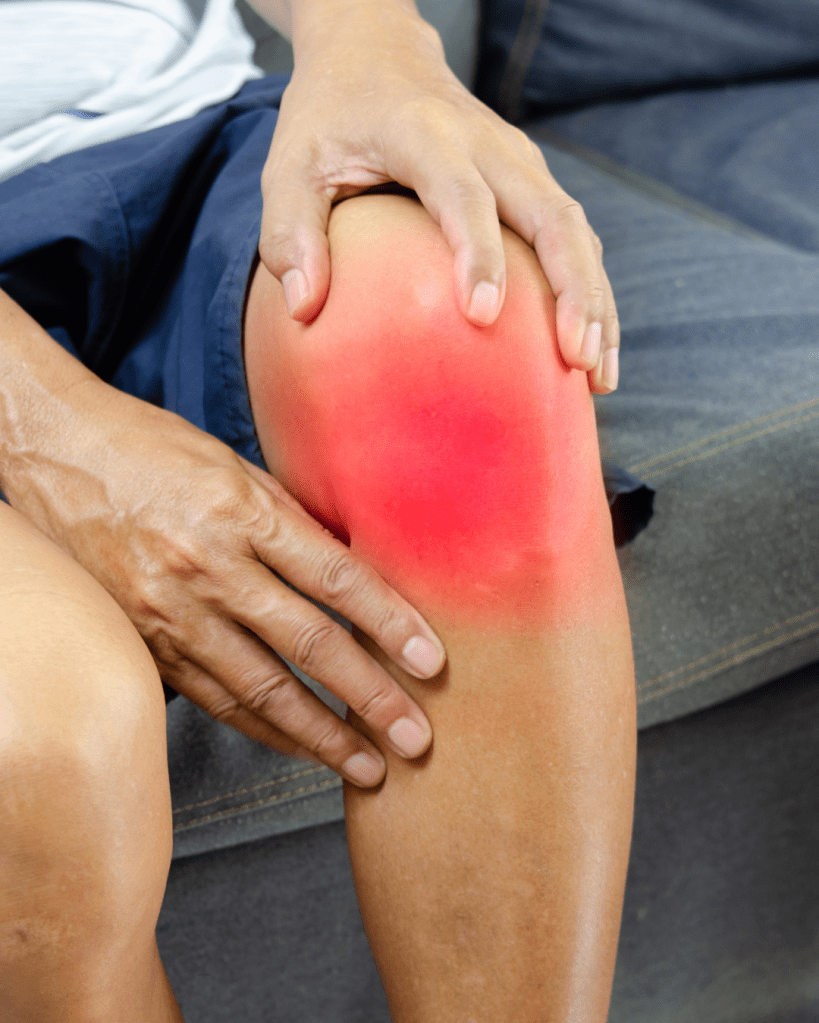
- Experience joint pain or stiffness
- Are looking to reduce chronic low-grade inflammation
- Prefer a food-first, preventative approach to health
It can be used:
- In cooking
- As a supplement in more targeted situations
Who should be cautious?
Higher-dose turmeric or curcumin supplements may not be suitable for:
- People taking blood thinners
- Those with gallstones or bile duct problems
- Individuals with iron deficiency
- Pregnancy, particularly in concentrated supplement form
6. Food vs Supplement: Is One Better?
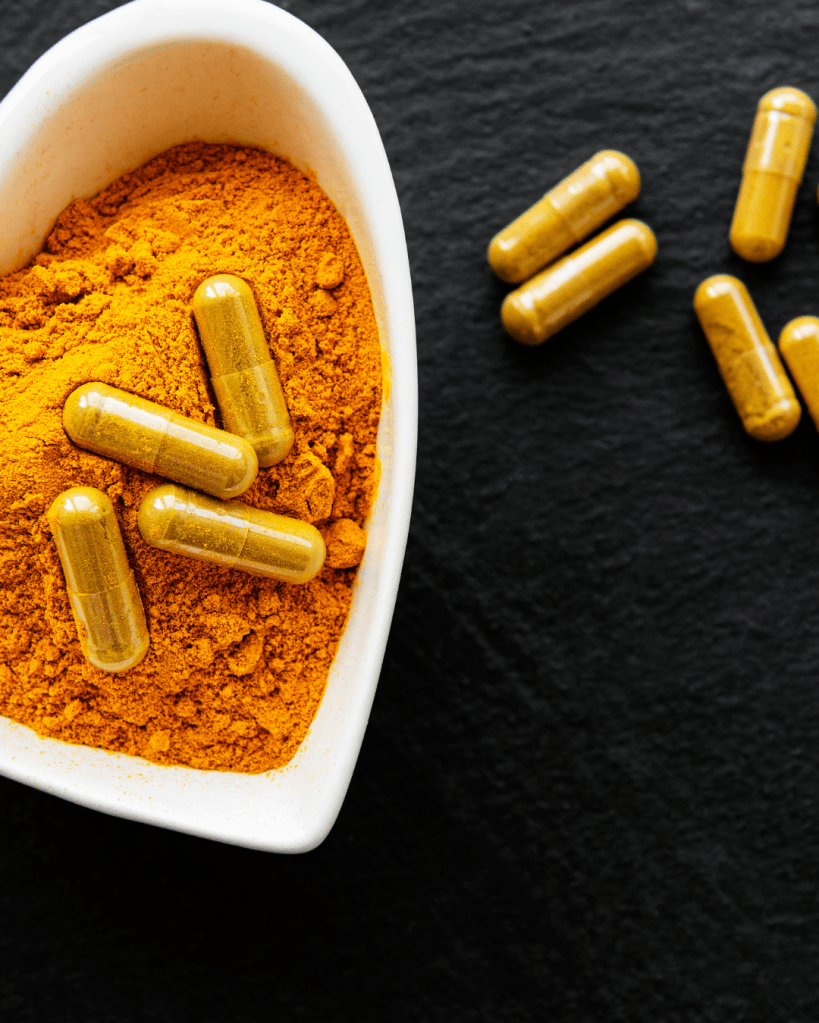
Turmeric in food is:
- Lower dose
- Less concentrated
- Generally safer and more sustainable long-term
Supplements:
- Provide much higher concentrations of curcumin
- May be useful in certain situations
- Vary significantly in quality and absorption
Some formulations are specifically designed to improve bioavailability, meaning the body can absorb and utilise more of the curcumin.
Conclusion
Turmeric isn’t a miracle cure. But neither is it a meaningless hype.
The research suggests it may have genuine anti-inflammatory effects, particularly in conditions involving chronic low-grade inflammation. The benefits are unlikely to be dramatic, but there is reasonable evidence that consistent use may contribute to symptom reduction and overall health when combined with wider lifestyle measures.
In other words: perhaps not a golden ticket – but still worthwhile for some.
To find out more click the link below:
Information and other content provided in these blogs should not be construed as medical advice and should not be considered a substitute for professional medical expertise. If you have any medical concerns, you should consult with your health care provider.

 Health & Wellbeing with Dr Joanna Taylor
Leave a comment