
As a GP, understanding your health means understanding your habits too.
The good ones. The bad ones. The ones you proudly talk about … and the ones you quietly hope I won’t ask about.
One of the questions I might ask you is: “How active are you?”
And very often, the answer I receive is: “Oh, I’m really active. I walk the dog every day.”
Now before dog owners come for me, hear me out first. Walking the dog is good. It gets you outside. It breaks up sedentary time. It’s good for the mind. Your dog is delighted.
Everyone wins.
But when a doctor asks how fit or active you are, they generally do not mean the dog walk.
And although that sounds slightly harsh, there’s an important reason why.
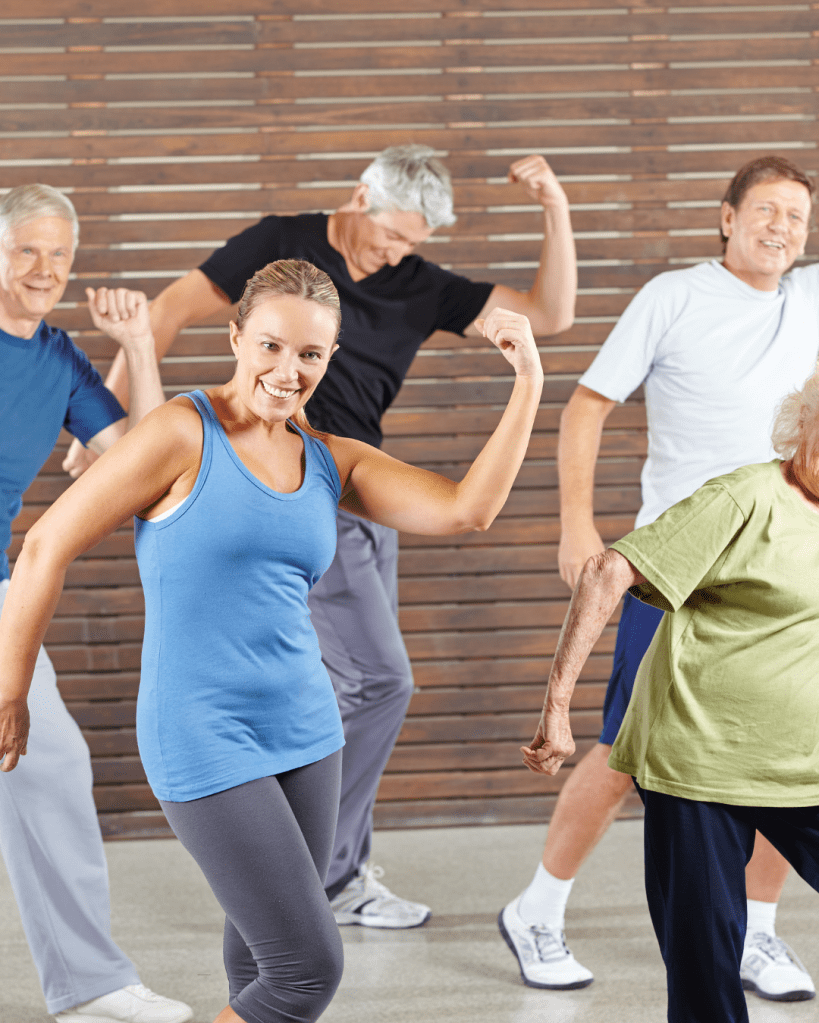
Movement Is Not the Same as Fitness
Humans are designed to move. Historically, movement was never something we had to schedule. It was built into survival.
People walked long distances. Carried things. Climbed things. Squatted and lifted things. Pushed and pulled heaving things. They worked physically. Daily life itself was enough to maintain strength, stamina, balance, mobility and bone density.
Back then, there was no such thing as “leg day” – because every day was leg day.
Modern life has removed much of that natural physical demand. Many of us now spend most of the day sitting, driving, scrolling, typing, or moving only in short bursts between chairs.
So although walking to the shops, doing housework, pacing around after children, or taking the dog out all count as movement, and while they can all be exhausting, they still don’t place enough demand on the body to truly train it.
And that distinction matters.
The Four Pillars of Fitness
Real fitness isn’t one type of fitness. It’s a combination of physical abilities that keep your body capable, resilient and independent as you age.
And importantly – no single type of exercise covers all of them.
1. Strength
Strength training isn’t just for bodybuilders taking mirror selfies in stringer vests. Muscle mass is one of the biggest predictors of healthy ageing. Strength protects your joints, improves posture, supports metabolism, increases bone density, and reduces frailty later in life.
In simple terms, strength is what helps you:
- remain physically independent into older age
- carry heavy shopping bags
- lift a suitcase overhead
- get up off the floor without any struggle
- protect your back
And unfortunately, slowly wandering behind a cockapoo or running after your labrador still doesn’t qualify as resistance training.
2. Cardiovascular Fitness
Cardio trains your heart, lungs and circulation.
It improves stamina, lowers blood pressure, improves insulin sensitivity and blood sugar control, reduces cardiovascular disease risk and helps you feel less exhausted doing ordinary life.
Good cardiovascular fitness means:
- climbing stairs without feeling like you’ve summited Everest
- recovering quickly after exertion
- having a higher tolerance for physical stress
- having energy rather than constantly feeling drained
For exercise to improve cardiovascular fitness, the body needs to be challenged – heart racing, sustained effort, breathlessness, sweat, intensity.
So when you take your dog for a walk in the park – it’s the dog that’s doing the cardiovascular training.
3. Mobility & Flexibility
Mobility is one of the most neglected areas of health – until people lose it.
This pillar keeps joints moving fluidly and muscles supple. It reduces stiffness, improves posture and movement quality, and helps counteract the physical wear and tear of ageing and desk-bound jobs.
Good mobility helps with
- bending comfortably
- reaching overhead
- rotating your body in all directions
- preventing injuries
- reducing those “I’ve somehow injured myself sleeping” moments
Ageing is inevitable. But becoming rigid and immobile quite so early isn’t.
4. Balance & Stability
Balance training is often ignored because it doesn’t look particularly exciting.
But balance and stability are essential for coordination, injury prevention and healthy ageing.
These exercises train smaller stabilising muscles that most people neglect entirely. It’s the “I didn’t know those muscles even existed” exercises – until the workout makes them burn.
Balance becomes increasingly important with age. Falling – or almost falling – can completely change someone’s independence, confidence and quality of life.
But even in younger people, good stability improves athletic performance, posture, movement control and joint protection.
And no, standing on one leg while putting your shoes on once a day probably isn’t enough either.

Why One Pillar Alone Isn’t Enough
This is where many people go wrong.
Someone may have excellent cardiovascular fitness but poor mobility – unable to touch their toes. Another person may be incredibly strong but become breathless walking upstairs. Some people stretch regularly and are highly flexible but have very little muscle mass or bone strength.
Fitness is not about excelling in one area while neglecting the rest.
The body works as a system. All parts matter.
Strength supports joints. Mobility improves the range and ease of movement. Balance improves control. Cardio supports endurance and organ health.
You need all 4 pillars.
Not to become an elite athlete – but simply to maintain a body that functions well for as long as possible.
“But I’m On My Feet All Day…”
Being busy is not the same as being fit.
And being exhausted after work doesn’t necessarily mean your body is physically well conditioned either.
Manual workers – for example – often already get significant strength-based demands through work. Despite this, many still lack mobility, flexibility, sufficient recovery, core strength (contributing to back pain) and/or cardiovascular conditioning.
If your back constantly hurts, your hips are stiff, or your shoulders ache all the time, your body probably isn’t asking for less – it’s asking for more, but different, exercise.
Even physically demanding jobs don’t negate the need to train all 4 pillars.
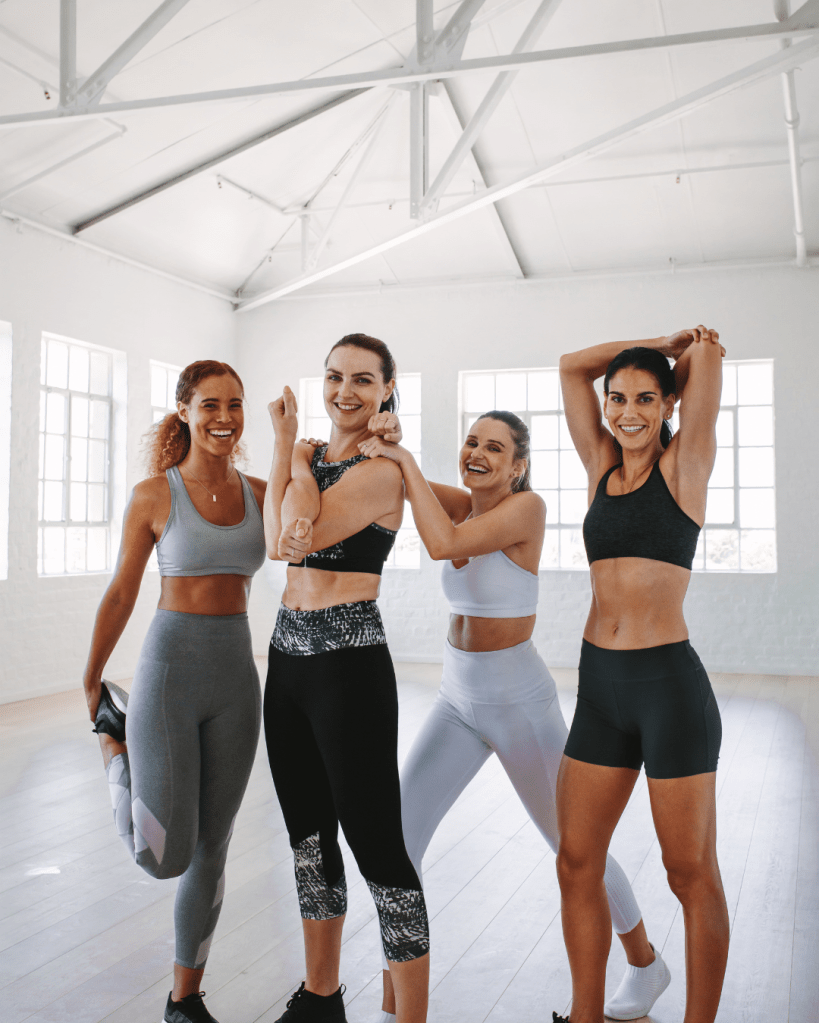
So… Does Walking the Dog Count?
As movement? Absolutely.
As mental decompression? Definitely.
As fresh air and worthwhile routine? Great.
But as fitness training? Usually not.
And deep down, most people know that already.
Because if walking the dog truly provided all the fitness your body needed, we wouldn’t still be:
- stiff
- weak
- breathless
- gaining weight
- losing muscle
- struggling with achy backs
- or feeling physically older than we should
The reality is that most bodies need more challenge than modern life naturally provides.
More resistance.
More intensity.
More mobility.
More intention.
The Point Being…
If the phrase “walking the dog doesn’t count” feels slightly offensive, it’s understandable. Because for many people, it does feel like effort. And compared to being completely sedentary, it absolutely is better than nothing.
But the real point is this: movement alone and fitness are not the same thing.
The dog walk is valuable. But if your body is capable of more – challenge it to do more.
Build strength. Raise your heart rate. Improve your mobility. Work on your balance. Because the body adapts to what we repeatedly ask of it.
And the things we neglect now will be the things we struggle with later.
Information and other content provided in these blogs should not be construed as medical advice and should not be considered a substitute for professional medical expertise. If you have any medical concerns, you should consult with your health care provider.


Leave a Reply