Most people think fitness means cardio.
Running. Cycling. Long walks. Step counts. Sweat.
And while cardiovascular fitness matters, it’s only one part of physical fitness. True fitness is broader than that. It’s the ability to move well, stay strong, tolerate physical stress, recover efficiently, and continue doing the things you enjoy well into later years.
You might run 10km but struggle to lift heavy luggage overhead.
You might be strong in the gym but become breathless climbing stairs.
You might stretch well but have poor balance and coordination.
Fitness isn’t one quality. It’s a combination of different qualities, known as the Four Pillars of Fitness.

1. Cardiovascular Fitness
Cardiovascular fitness refers to how efficiently your heart, lungs, and blood vessels deliver oxygen to working muscles during exercise.
At its core, it represents endurance – your body’s ability to sustain movement efficiently over time.
Cardiovascular fitness develops through activities that repeatedly challenge the heart and lungs over sustained periods – from walking, running, cycling, and swimming to sports such as football, tennis, rugby, hockey, basketball, rowing, martial arts, and surfing.
Why it matters:
Good cardiovascular fitness is strongly linked with:
- Reduced risk of heart disease and stroke
- Lower blood pressure
- Improved blood sugar regulation
- Better sleep and energy levels
- Improved stress resilience and mood
- Reduced risk of dementia
- Lower risk of some cancers, particularly bowel and breast cancer
Cardiovascular fitness is fundamental to all aspects of life. Walking uphill, carrying bags, climbing stairs, travelling, playing sport, or simply getting through a busy day all become easier when your cardiovascular system is well conditioned.
The common mistake
Many people rely almost entirely on cardio and assume this alone makes them “fit”. But cardiovascular fitness does not fully protect against muscle loss, poor joint stability, reduced mobility, or declining balance with age.
A strong engine still needs a strong frame around it.
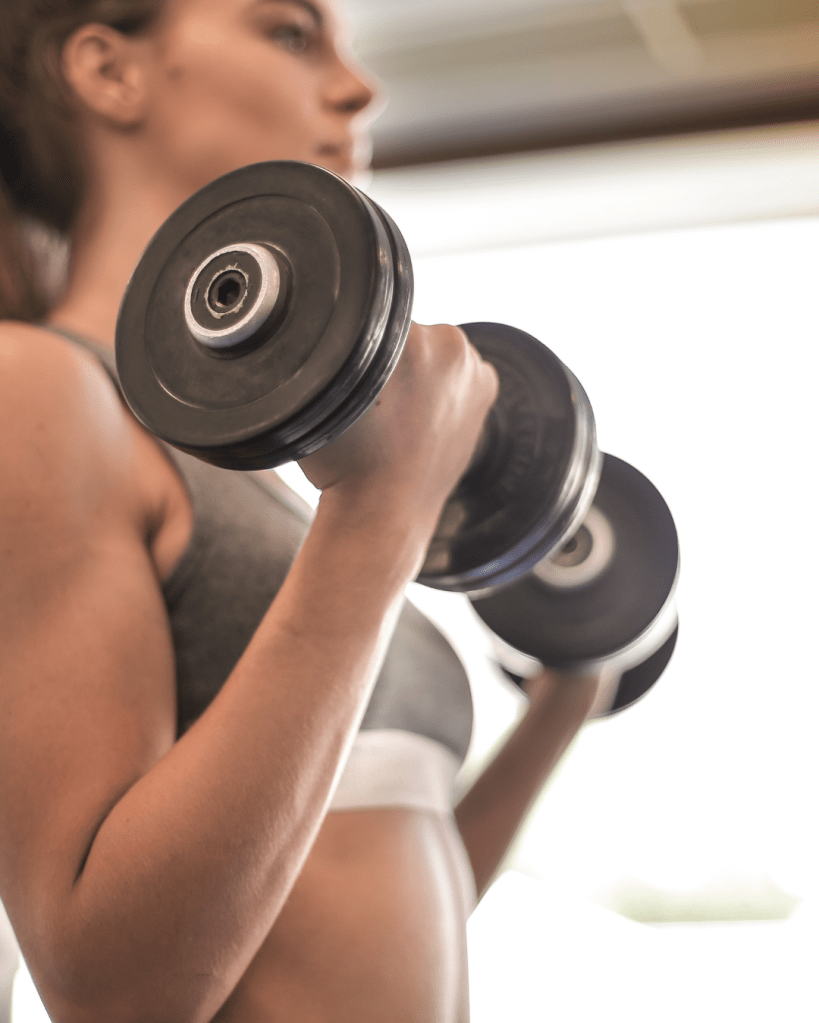
2. Strength Training
Strength training is one of the most important – and most neglected – parts of health.
Muscle is not just aesthetic tissue. It’s protective, metabolic, and functional tissue.
Strength determines how well your body handles physical demand.
What it includes:
- Weight training
- Resistance bands
- Bodyweight exercises
- Pilates
- Loaded walking or hiking
- Functional movements like squats, lunges, pushes, pulls, and carries
Why it matters:
Strength training helps:
- Preserve muscle mass with age
- Improve bone density
- Protect joints and posture
- Reduce falls and fractures
- Improve insulin sensitivity
- Support healthy metabolism
- Reduce back pain risk
- Maintain physical independence later in life
Adults begin losing muscle mass as early as their 30s, typically at a rate of roughly 3–8% per decade if muscle is not regularly challenged through resistance exercise. This process is accelerated further through inactivity and aging.
Without enough strength, everyday tasks gradually become harder – lifting luggage, getting off the floor, carrying shopping, hiking uphill, or recovering from injury.
The common mistake:
Many people unintentionally under-train.
The body only becomes stronger when muscles are challenged progressively over time.
Endless light resistance with no progression rarely changes strength meaningfully. In order for muscle to grow, the body needs to be challenged.
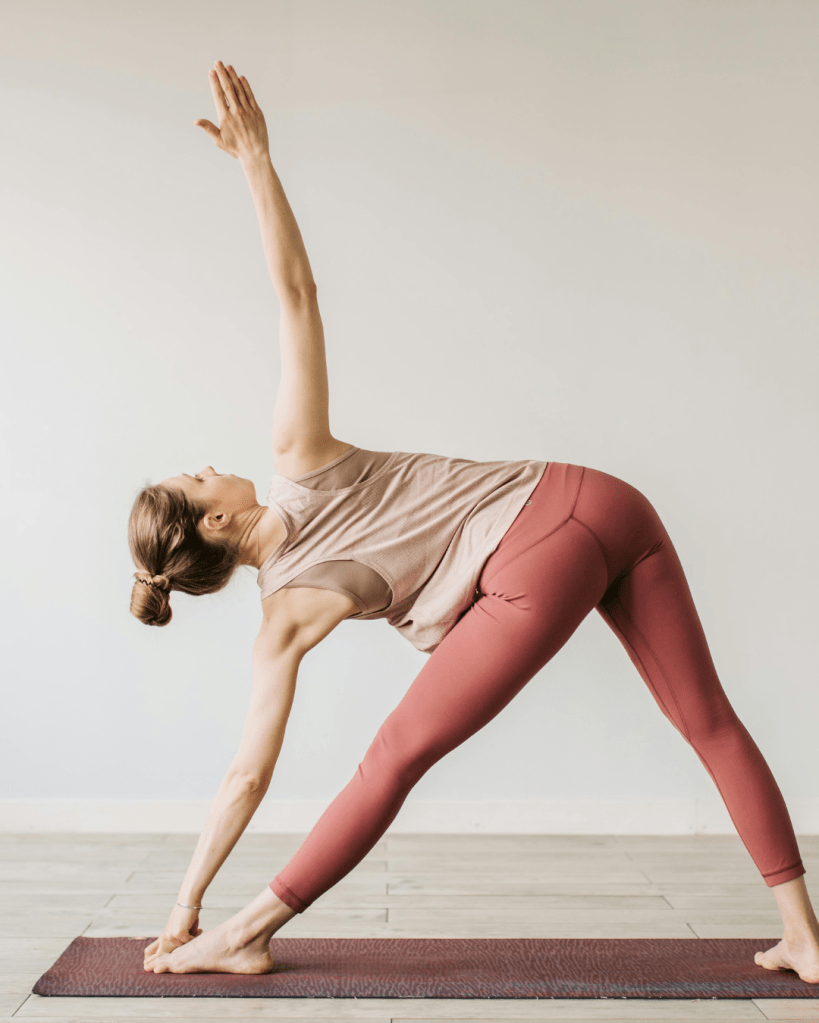
3. Mobility & Flexibility
Mobility is often confused with flexibility, but they are not the same.
Flexibility is the ability of muscles to lengthen.
Mobility is the ability to move joints through a full range of motion with strength and control.
You can be flexible but still move poorly.
What it includes:
- Stretching
- Yoga
- Pilates
- Mobility drills
- Dynamic warm-ups
- Controlled joint movement exercises
Why it matters:
Good mobility helps:
- Reduce stiffness and aches
- Improve posture and movement efficiency
- Improve exercise technique
- Reduce injury risk
- Maintain joint health
- Improve comfort during daily movement
Mobility influences countless ordinary movements:
- Reaching overhead
- Turning your neck comfortably
- Squatting down
- Tying shoelaces
- Getting up from the floor
- Moving without feeling restricted
Poor mobility often develops gradually through repetitive routines and prolonged sitting.
Desk work, driving, screens, and reduced movement variety all contribute to stiffness over time.
The common mistake
Most people only think about mobility once pain or stiffness appears.
Others assume occasional stretching after exercise is enough while spending most of the day sitting still.
Mobility needs regular movement variation. Joints that rarely move through full ranges gradually lose access to them.
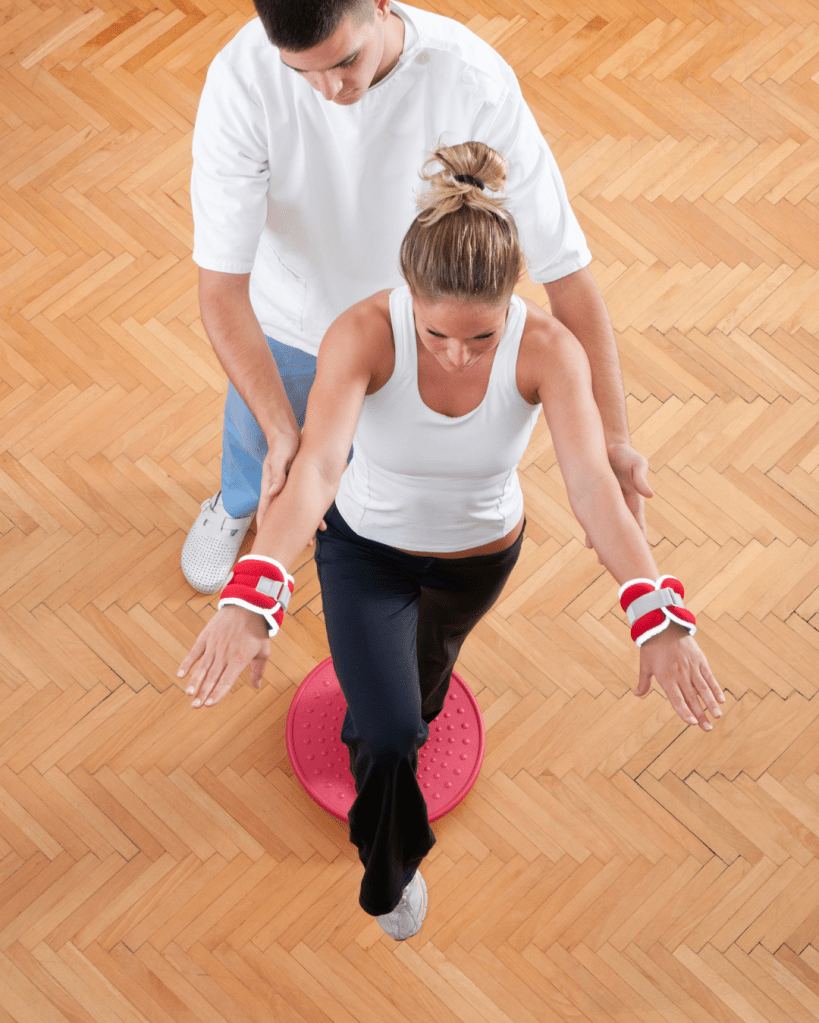
4. Balance, Coordination & Stability
This pillar is often the most overlooked.
Balance and coordination allow the body to stabilise itself, react quickly, and move confidently through changing environments.
These skills become increasingly important with age.
What it includes:
- Single-leg exercises
- Yoga and Pilates
- Trail running
- Racquet sports
- Dance
- Board sports
- Agility and stability drills
Why it matters
Good balance and coordination help:
- Reduce falls and injuries
- Improve reaction times
- Improve body awareness
- Protect joints during movement
- Improve athletic performance
- Maintain confidence and independence later in life
Coordination also challenges the brain. Learning new movement patterns strengthens communication between the nervous system and the body.
This is one reason activities requiring timing, balance, rhythm, and quick reactions can feel mentally stimulating as well as physically demanding.
The common mistake:
People often assume balance naturally remains throughout life.
It doesn’t.
Modern life gives us very little movement variability. Flat surfaces, chairs, repetitive routines, and highly predictable environments reduce the body’s need to stabilise and adapt.
Like strength and endurance, balance deteriorates when unused.
Bringing It All Together
Each pillar develops a different physical quality.
- Cardiovascular fitness builds endurance – your ability to sustain movement and
tolerate physical effort. - Strength training builds physical capability – the capacity to lift, carry, climb,
stabilise, and withstand load. - Mobility allows joints and muscles to move freely and efficiently through full ranges of motion.
- Balance and coordination allow the body to react, stabilise itself, and move
confidently through changing environments.
No single pillar replaces another.
Someone with excellent endurance but little strength will still have physical limitations.
Someone strong but immobile may move inefficiently and become more injury-prone.
Someone flexible but unstable may still struggle with control and balance.
The healthiest bodies are rarely built through one style of exercise repeated endlessly.
They are built through variety – through exposing the body to different forms of movement, challenge, resistance, coordination, and recovery.
And importantly, these pillars do not need to exist in isolation. Many activities naturally overlap. A hike up steep terrain may challenge cardiovascular fitness, strength, mobility, and balance simultaneously. Swimming may build endurance while improving mobility. Sports often combine multiple pillars at once. However, most still leave gaps, making it important to recognise which physical qualities may be undertrained.
The goal is not to master every discipline. It’s to maintain a body that remains physically useful in all domains – allowing you to do the things you enjoy for as long as possible.
Because real fitness, at its core, is less about appearance and more about preserving physical freedom.
Information and other content provided in these blogs should not be construed as medical advice and should not be considered a substitute for professional medical expertise. If you have any medical concerns, you should consult with your health care provider.


Leave a Reply