
Cravings. We’ve all experienced it.
The sudden, highly specific urge for certain snacks at completely random or inappropriate times.
Chocolate. Crisps. Melted cheese. Something sweet after dinner despite being completely full.
Cravings can feel irrational, demanding, and strangely urgent. But they are rarely random. They are the product of biology, hormones, habits, environment, sleep, stress, emotion, and reward pathways all colliding at once.
Before deciding whether to indulge a craving or resist it, it helps to understand why it appeared in the first place.
What Actually Is a Craving?
A craving is different from hunger.
Hunger is the body asking for energy. A craving is usually the brain asking for something specific – often foods high in sugar, fat, salt, or all three combined. Nobody urgently craves plain boiled potatoes at 10pm.
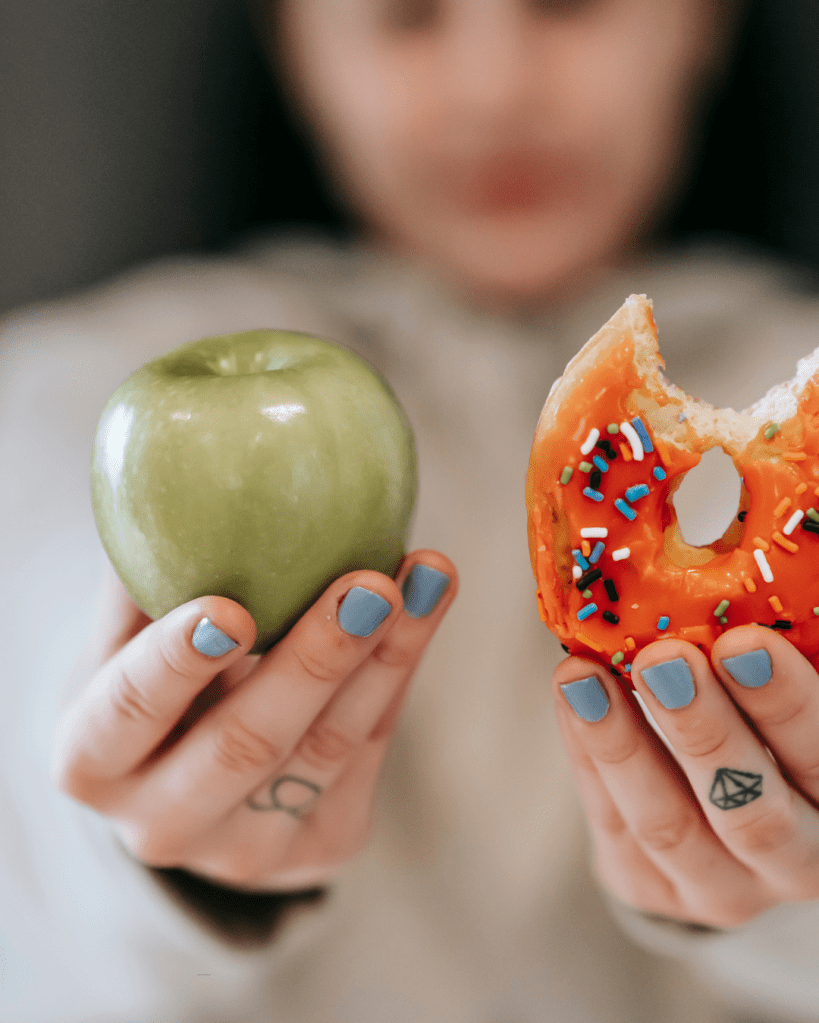
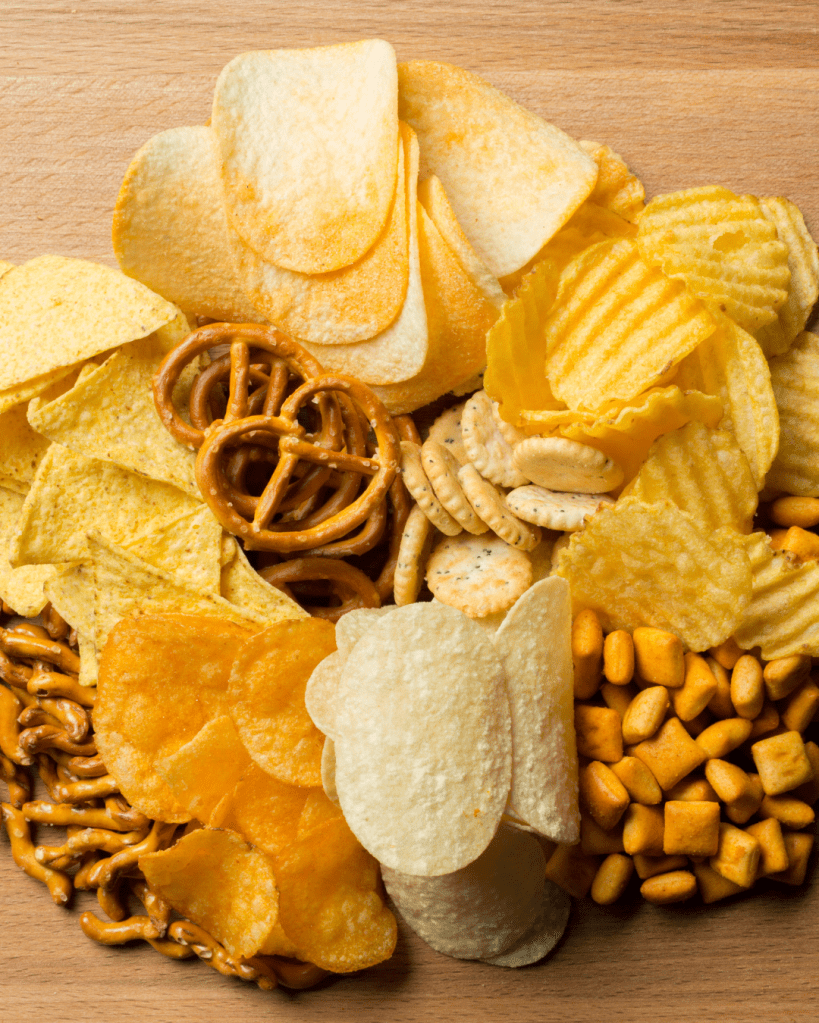
This matters because cravings are often driven less by nutritional need and more by reward. Highly processed foods stimulate dopamine pathways in the brain, creating anticipation, pleasure, and reinforcement. The brain learns quickly. If a food repeatedly provides comfort, stimulation, or emotional escape, the craving pathway strengthens. Many ultra-processed foods are engineered to be hyper-palatable – combining sugar, fat, salt, crunch, texture and rapid reward in ways our biology struggles to regulate naturally.
Most people are not battling weak willpower. They are battling food environments their brains were never designed to adapt to.
Why Cravings Get Stronger Sometimes
Sleep Deprivation
Poor sleep significantly alters appetite regulation. Ghrelin – the hormone that stimulates hunger – rises, while leptin – the hormone involved in fullness signalling – falls. At the same time, the brain becomes more reward-seeking and impulsive.
After a bad night’s sleep, the brain becomes considerably less interested in grilled salmon and noticeably more interested in pastries.
This is one reason chronic sleep deprivation is strongly associated with weight gain and increased intake of highly processed foods.
Stress & Cortisol
Stress changes eating behaviour in powerful ways.
Some people temporarily lose their appetite during acute stress, but prolonged stress often increases cravings for calorie-dense foods. Cortisol encourages the body to seek fast energy, while highly palatable foods temporarily stimulate reward pathways and dampen stress responses.
Over time, the brain can begin associating certain foods with stress relief rather than hunger.
Hormones & The Menstrual Cycle
Many women notice stronger cravings in the week before their period, and this is not imagined.
During the luteal phase of the menstrual cycle, progesterone rises and metabolic rate increases slightly, meaning energy requirements may increase by around 100–300 calories per day in some women. Fluctuations in serotonin may also increase cravings for carbohydrate-rich foods and chocolate.
At the same time, fatigue, bloating, irritability and lower mood can amplify emotional eating tendencies.
This does not mean the body “needs” six cookies specifically. But it does mean appetite and reward pathways are genuinely being influenced by hormonal changes.
Perimenopause & Menopause
Fluctuating oestrogen levels can affect appetite regulation, mood, sleep quality and insulin sensitivity. Poor sleep alone significantly increases cravings, particularly for sugary and processed foods.
Many women in perimenopause describe feeling hungrier, less satisfied after meals, and more driven toward quick-energy foods – particularly during periods of exhaustion and stress.
Restrictive Dieting
Ironically, overly rigid eating often makes cravings worse.
The brain responds poorly to perceived deprivation. The more forbidden a food becomes, the more mentally powerful it often becomes. Chronic under-eating also increases food preoccupation and reward sensitivity.
Sometimes the craving is not for the food itself. Sometimes it is the rebound effect of excessive restriction.
Are Cravings Ever “Trying To Tell You Something”?
Occasionally – but not usually in the simplistic way social media suggests.
Craving salty foods after prolonged sweating may reflect electrolyte loss. Increased appetite during periods of intense exercise may reflect higher energy requirements. Severe iron deficiency can sometimes cause unusual cravings such as ice chewing.
But most cravings are far more complex than a single nutrient deficiency. Craving chocolate does not automatically mean magnesium deficiency. More often, cravings reflect a combination of habit, reward, emotion, sleep, stress, blood sugar instability, and food environment.
When Is It Worth Pushing Back?
Sometimes the healthiest response is recognising that a craving does not require immediate action.
Not every urge deserves feeding – particularly when cravings are being driven by exhaustion, boredom, stress, habit, emotional coping, or highly processed reward seeking eating patterns.
If every craving is constantly indulged, especially ultra-processed foods, the brain often becomes more driven by instant reward over time rather than less. Habits strengthen. Reward thresholds rise. Impulse control weakens.
Health occasionally requires discomfort:
- delaying gratification
- tolerating urges
- eating for nourishment rather than stimulation
- recognising emotional eating patterns honestly
That is not punishment. It is self-awareness.
A useful question is not: “What do I crave?”
But:
“Why am I craving this right now?”
The answer is often far more revealing.
What To Reach For Instead
Cravings rarely disappear simply because you tell yourself to “be good”. In many cases, a smarter strategy is satisfying the craving in a way that is less damaging to long-term health.
If you are craving chocolate or highly processed foods, it can help to look at what the brain is actually seeking:
- quick energy
- sweetness
- comfort
- texture
- stimulation
- salt
- dopamine reward
- convenience
The goal is improving the quality of the response rather than thoughtless obedience. Healthy Alternatives for Satisfying Cravings:
- Dark chocolate with nuts or nut butter instead of large quantities of milk chocolate
- Greek yoghurt with berries, cacao and honey instead of ice cream
- Dates with peanut butter or dark chocolate for sweet cravings
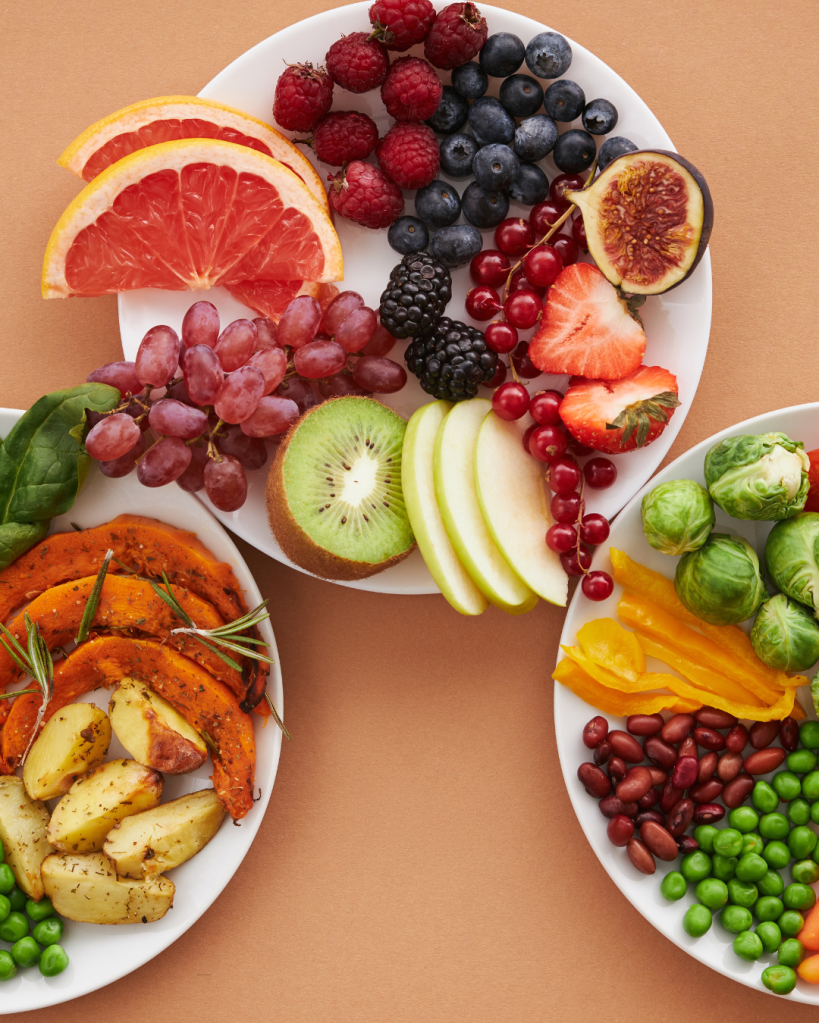
- Fruit with protein alongside it, which tends to satisfy cravings more effectively
than fruit alone - Popcorn, roasted chickpeas or salted nuts instead of crisps for crunchy, salty
cravings - A proper balanced meal if the craving is actually disguised hunger after undereating all day
It is also worth remembering that highly processed foods are designed to override normal fullness signals. They are often engineered to make “one more bite” extremely difficult. Whole foods generally do the opposite – they satisfy more effectively and switch hunger signals off sooner.
And sometimes, the answer is not food at all. Sometimes the body is asking for sleep, hydration, stress relief, movement, or simply a pause from overstimulation.
Final Thoughts
Cravings are part of being human. They are not character flaws, but neither are they always wise instructions.
Sometimes they reflect biology. Sometimes exhaustion. Sometimes habit. Sometimes emotional coping. Sometimes genuine hunger.
The goal is not to fear cravings, nor blindly follow them. It is to understand them well enough to know when they deserve listening to – and when they don’t.
Information and other content provided in these blogs should not be construed as medical advice and should not be considered a substitute for professional medical expertise. If you have any medical concerns, you should consult with your health care provider.

 Health & Wellbeing with Dr Joanna Taylor
Leave a comment