
Long before pharmaceuticals, herbs and spices were used across cultures not only for flavour, but for medicine, ritual, and trade. Modern science has confirmed many of the biologically active compounds contained within these roots, capable of influencing inflammation, circulation, digestion, metabolism, and even brain function.
Here are five of the most studied…
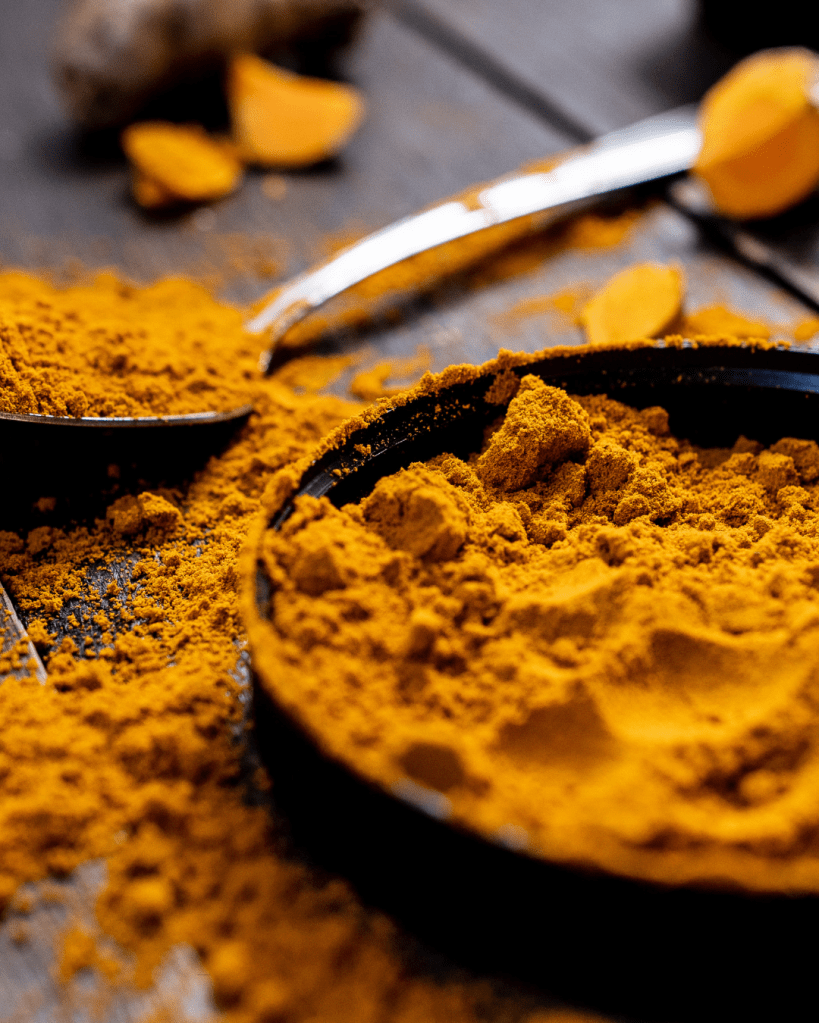
Turmeric
Historical & Traditional Uses
Turmeric originated in South Asia and has been used in Indian cooking and Ayurvedic medicine for over 3,000 years. Beyond curries, it featured in religious ceremonies, skincare rituals, and traditional remedies.
Historically, it was used for:
- Joint pain and stiffness
- Digestive symptoms
- Skin inflammation
- Wound care
- Respiratory illness
Active Compounds & How They Work
Turmeric contains curcuminoids, the most studied being curcumin. Curcumin influences inflammatory pathways while also acting as an antioxidant, helping reduce oxidative damage to cells and tissues.
Health Benefits Supported by Research
Osteoarthritis & Joint Pain
This is where turmeric has the strongest evidence. Studies suggest curcumin supplementation may reduce:
- Joint pain
- Morning stiffness
- Functional limitation in osteoarthritis
Some trials have shown improvements comparable to low-dose anti-inflammatory
medication in certain patients.
Exercise Recovery
Some evidence suggests curcumin may reduce muscle soreness following intense exercise by reducing post-exertional inflammation.
Benefits appear more noticeable with regular intake over days to weeks.
Cardiovascular & Metabolic Health
Early research suggests turmeric may modestly improve:
- Insulin sensitivity (therefore blood sugar control)
- LDL cholesterol
- Blood vessel function
However, findings are less consistent than the osteoarthritis data.
Culinary Uses & Practical Tips
Turmeric is commonly used in curries, rice dishes, soups, teas, and marinades.
Curcumin is poorly absorbed on its own, but combining turmeric with black pepper or fat (i.e. coconut oil or milk) significantly improves absorption.
Who Should Be Cautious?
High-dose turmeric supplements may not be suitable for people with:
- Gallstones or bile duct obstruction
- Bleeding disorders
- Anticoagulant use
- Certain chemotherapy regimens
Using turmeric in cooking is generally very safe for all groups.
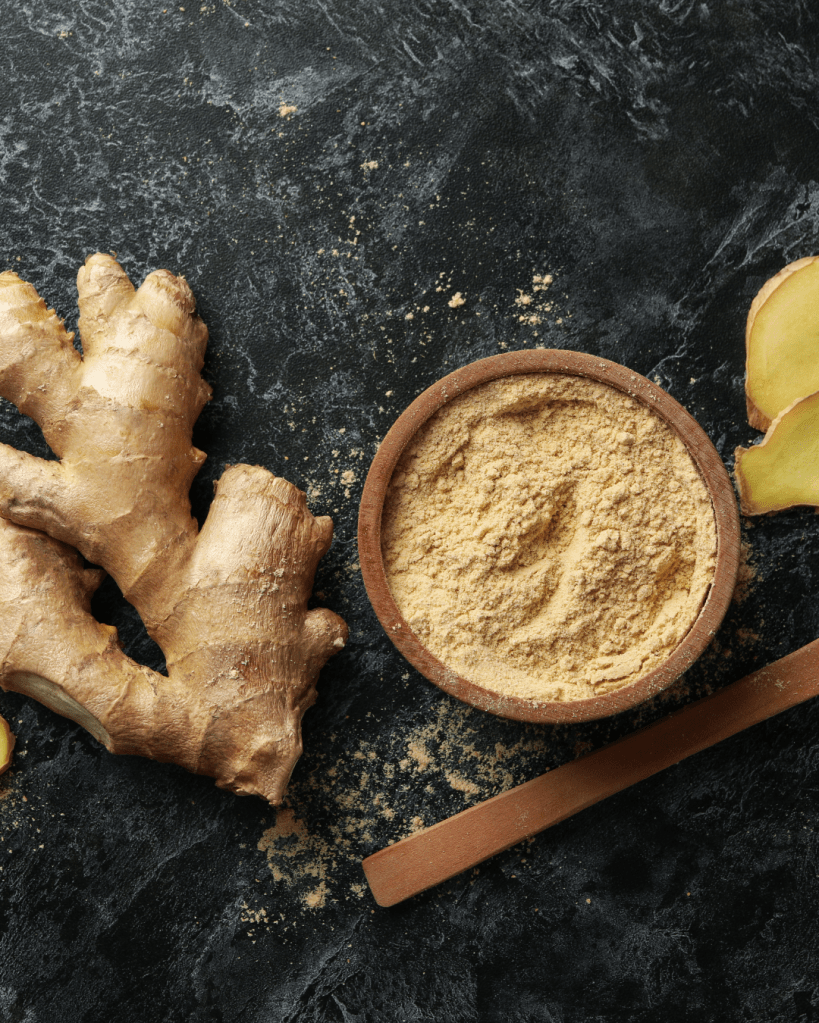
Ginger
Historical & Traditional Uses
Ginger originated in Southeast Asia and became one of the most valuable commodities in the ancient spice trade. Traditionally, it was used for:
- Nausea
- Digestive discomfort
- Menstrual pain
- Colds and respiratory symptoms
- Fatigue
Traditionally, ginger was generally viewed as a digestive stimulant.
Active Compounds & How They Work
Ginger contains compounds called gingerols and shogaols, which appear to influence:
- Stomach emptying
- Gut contractions
- Inflammatory pathways
- Nausea signalling pathways
Health Benefits Supported by Research
Nausea
Ginger has some of the strongest evidence of all herbs and spices for reducing nausea.
Studies suggest benefit in:
- Pregnancy-related nausea
- Motion sickness
- Post-operative nausea
- Chemotherapy-related nausea in some patients
Digestion & Bloating
Ginger may help food move through the stomach more efficiently, reducing:
- Bloating
- Post-meal heaviness
- Indigestion
Muscle Soreness & Recovery
Some studies suggest regular ginger intake may modestly reduce delayed onset muscle
soreness after exercise.
Culinary Uses & Practical Tips
Ginger is widely used in stir fries, curries, soups, teas, baking, and juices. Fresh ginger generally contains higher gingerol levels (and therefore potency) than dried
forms.
Who Should Be Cautious?
Large quantities of ginger may increase bleeding risk in people taking anticoagulants.
Some people also experience:
- Heartburn
- Reflux
- Abdominal irritation
… particularly with concentrated supplements.
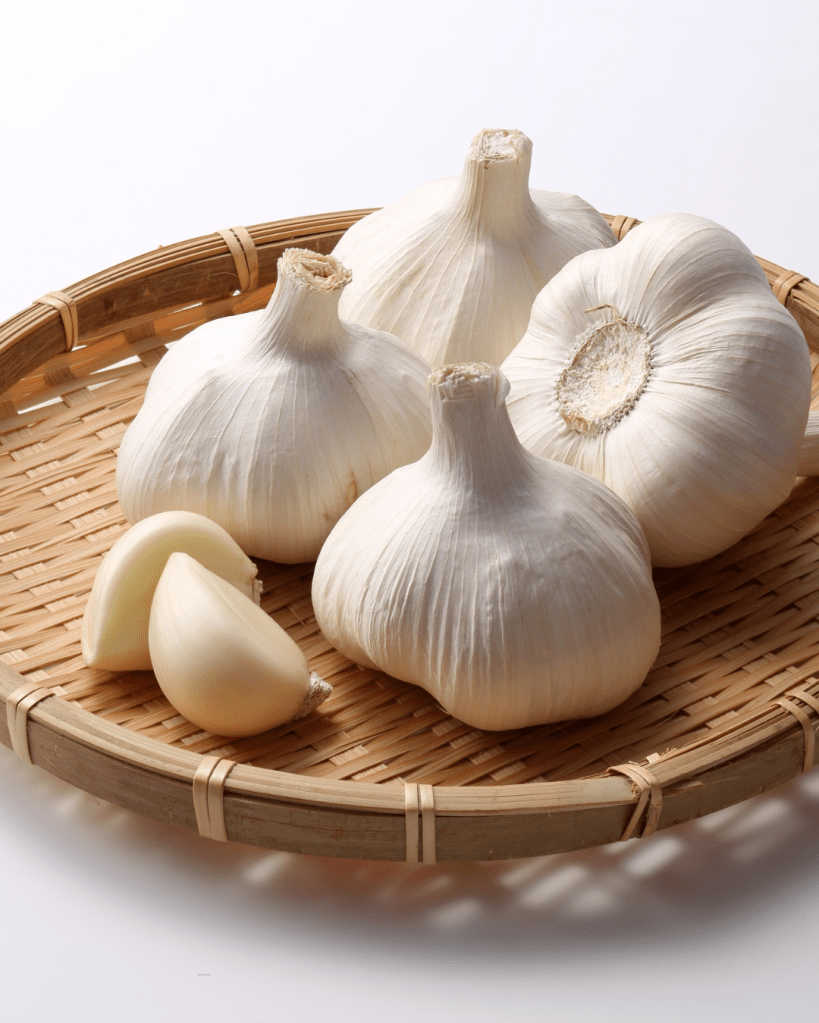
Garlic
Historical & Traditional Uses
Garlic has been used medicinally for thousands of years across Ancient Egypt, Greece, Rome, China, and the Middle East. Traditionally, it was used for:
- Respiratory infections
- Digestive complaints
- Parasites
- Fatigue
- Wound care
Its medicinal reputation largely comes from sulfur-containing compounds released when
garlic is chopped or crushed.
Active Compounds & How They Work
When garlic cells are broken, an enzyme reaction produces allicin. Allicin breaks down into sulfur compounds thought to influence:
- Blood vessel dilation
- Cholesterol metabolism
- Blood clotting activity
- Antimicrobial activity
Many of garlic’s effects appear strongest when consumed raw or lightly cooked.
Health Benefits Supported by Research
Blood Pressure & Cholesterol
Research suggests garlic may modestly help:
- Lower blood pressure
- Reduce LDL cholesterol
- Improve blood vessel function
The effects are generally mild, but consistent dietary intake appears beneficial.
Antimicrobial Effects
Garlic has demonstrated antibacterial and antifungal activity, helping explain its historical
use in wound care and infection.
Culinary Uses & Practical Tips
Garlic is widely used in sauces, soups, roasted vegetables, marinades, and Mediterranean cooking.
Crushing garlic and leaving it for around 10 minutes before cooking allows more allicin to
form before heat reduces enzyme activity.
Who Should Be Cautious?
Large amounts of garlic may increase bleeding risk in people taking anticoagulants.
Garlic supplements may also cause:
- Reflux
- Abdominal discomfort
- Medication interactions (i.e. blood thinners)
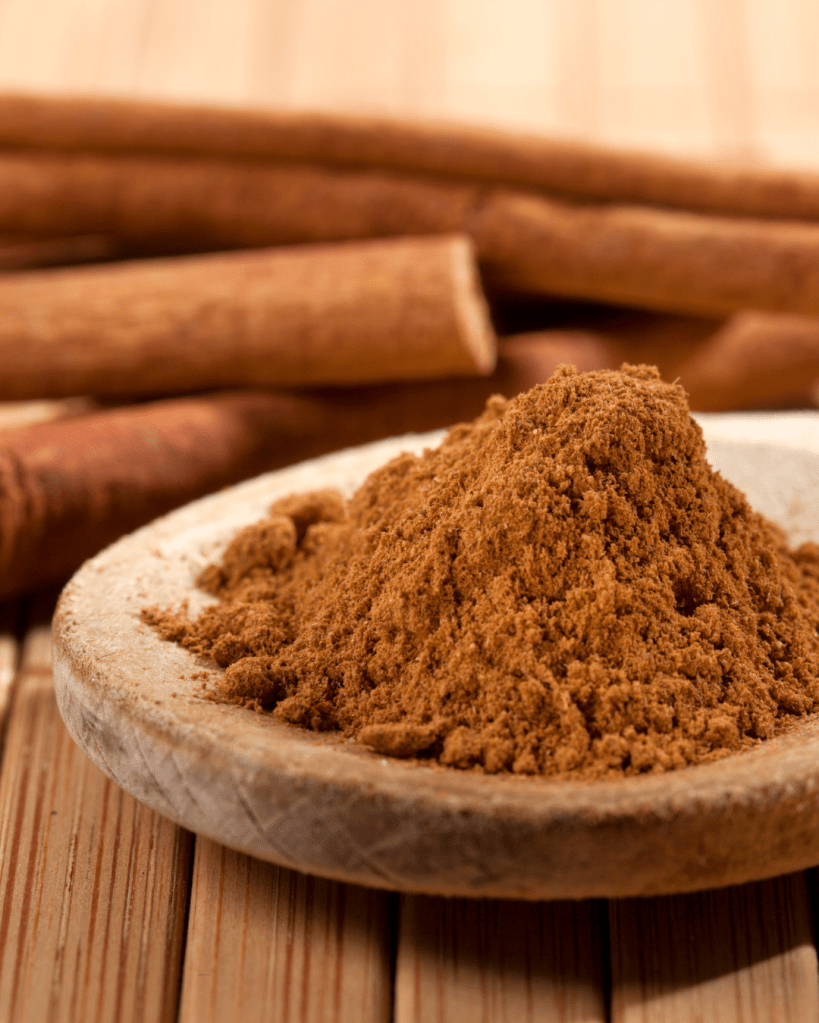
Cinnamon
Historical & Traditional Uses
Cinnamon originated primarily from Sri Lanka and parts of South Asia, becoming one of the most valuable spices traded into Europe. Historically, it was used for:
- Digestive complaints
- Respiratory illness
- Food preservation
- Warming foods and drinks
Two common forms exist:
- Ceylon cinnamon (“true cinnamon”)
- Cassia cinnamon (the common, cheaper, supermarket variety)
Active Compounds & How They Work
Cinnamon contains cinnamaldehyde and polyphenols, compounds thought to influence:
- Insulin response
- Stomach emptying
- Oxidative stress
- Microbial growth
Health Benefits Supported by Research
Blood Sugar Regulation
Some studies suggest cinnamon may:
- Improve insulin sensitivity
- Reduce post-meal blood sugar spikes
- Slightly lower fasting blood sugar levels
Antimicrobial Activity
Cinnamon also demonstrates antibacterial and antifungal activity, partly explaining its
historical role in food preservation.
Culinary Uses & Practical Tips
Cinnamon is commonly added to porridge, baking, curries, teas, coffee, and stewed fruit.
Cinnamon sticks have greater potency in terms of aroma and flavour. The essential oils in cinnamon bark are better for infusing flavours into liquids such as teas and stews. From a health perspective, however, the difference is negligible.
Who Should Be Cautious?
Cassia cinnamon contains higher levels of coumarin than Ceylon cinnamon. In excessive
amounts, coumarin may place stress on the liver.
For frequent use or supplementation, Ceylon cinnamon is generally the safer option.
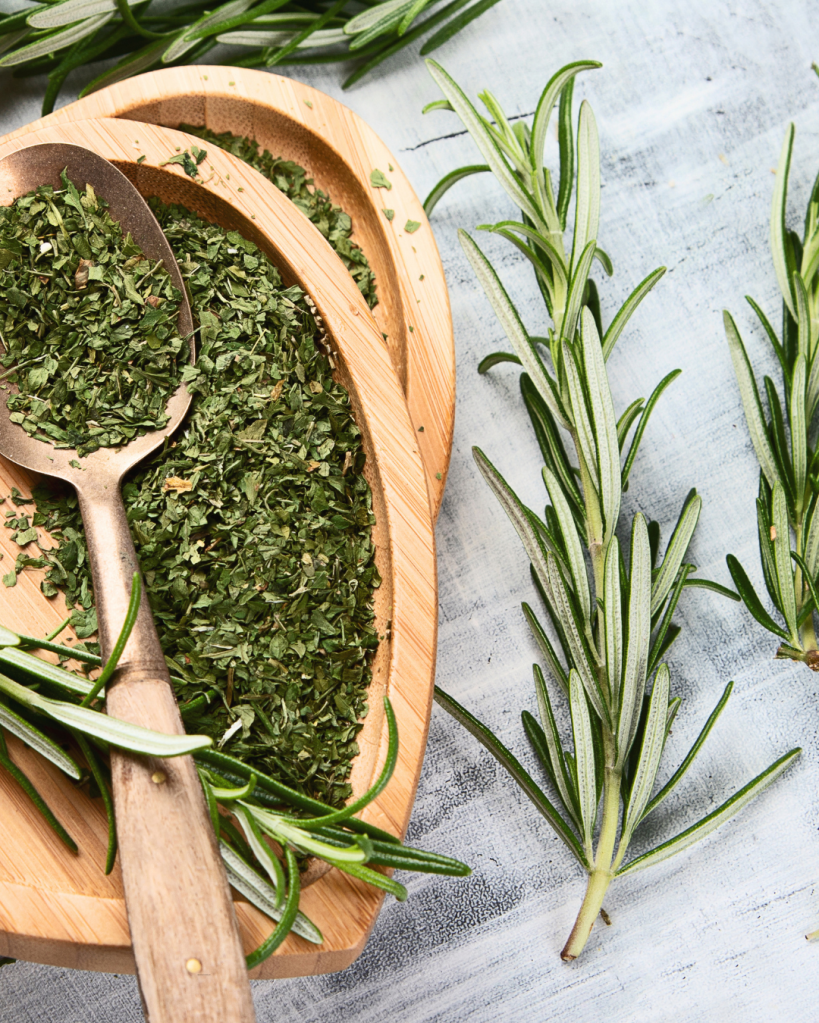
Rosemary
Historical & Traditional Uses
Rosemary is native to the Mediterranean and has long been associated with memory and
concentration.
Traditionally, it was used for:
- Memory and concentration
- Digestive symptoms
- Muscle aches
- Food preservation
Active Compounds & How They Work
Rosemary contains rosmarinic acid, carnosic acid, and 1,8-cineole. These compounds appear to influence:
- Oxidative stress
- Blood flow
- Neurotransmitter activity
Rosemary also helps slow the breakdown of fats and oils in food, helping preserve flavour and freshness.
Health Benefits Supported by Research
Memory & Concentration
Some small studies suggest rosemary compounds may improve:
- Alertness
- Processing speed
- Concentration
These effects appear subtle rather than dramatic.
Hair Regrowth
Rosemary has also gained attention for its potential role in hair regrowth. Some studies suggest rosemary oil may help stimulate hair follicles and improve blood flow to the scalp, particularly in pattern hair loss seen in both men and women.
Culinary Uses & Practical Tips
Rosemary is commonly used in roasted vegetables, potatoes, bread, meat dishes, and olive oil infusions.
Fresh rosemary tends to contain higher concentrations of volatile oils than dried forms,
responsible for stronger aroma, flavour and biological activity.
Who Should Be Cautious?
Rosemary used in cooking is generally very safe.
Highly concentrated rosemary oil should not be consumed directly, as excessive amounts have been associated with vomiting, muscle spasms, and seizures. For the same reason, high-dose rosemary supplements are generally avoided in people with seizure disorders and during pregnancy.
Final Thoughts
Herbs and spices sit at the intersection of food, medicine, history, and culture. They are not miracle cures or replacements for medical treatment.
But many contain compounds capable of producing measurable physiological effects – particularly when consumed regularly as part of a varied diet.
Not bad for ingredients many of us leave sitting at the back of the kitchen cupboard.
To find out more click the links below:
- Optimised Curcumin
- Green Ginger & Lemon Flavoured Tea
- Nature’s Prenatal
- Garlic & Parsley
- Masala Chai Flavoured Black Tea
- Cinnamon Organic Essential Oil
- Rosemary Organic Essential Oil
- Rosemary & Horsetail Combination
Information and other content provided in these blogs should not be construed as medical advice and should not be considered a substitute for professional medical expertise. If you have any medical concerns, you should consult with your health care provider.

 Health & Wellbeing with Dr Joanna Taylor
Leave a comment