There’s a particular kind of afternoon familiar to most of us.
You’ve just had lunch, your brain feels like it’s buffering, and even simple tasks start to feel oddly effortful. You consider a coffee… maybe a snack… though neither seem all that convincing.
Or… you could take a nap…
Not the accidental, slumped-on-the-sofa nap. A deliberate, well-timed, strategic nap.
The kind that leaves you sharper, calmer, and surprisingly more capable than you were an hour before.
Done properly, napping isn’t lazy. It’s smart. It’s efficient. And it’s increasingly recognised as a powerful tool for improving energy, focus, and overall wellbeing.
The Health Benefits of Napping
A well-timed nap doesn’t just “take the edge off tiredness”, the benefits of napping are backed by research and affect both brain and body.
- Mental clarity & sharpness
A short power nap can significantly improve alertness, often without the jittery
side effects of caffeine. - Concentration & productivity
If you’re wondering how to improve your afternoon focus, a nap may be more
effective than pushing through fatigue. Rested brains make fewer mistakes, work
faster and more efficiently. - Memory & learning
Sleep helps consolidate information. Even brief naps can improve memory retention and make learning more effective. Think of it as your brain locking in the
information you’ve just crammed into it. - Enhances creativity
That in-between state of sleep can help your brain form new connections, which is why imagination and problem-solving capabilities sometimes miraculously appear after a nap. - Emotional regulation
Poor sleep lowers your tolerance for stress. Napping can help stabilise mood, making you less reactive and more measured. - Improved stress resilience
Short periods of sleep support better regulation of stress hormones like cortisol, helping you respond more calmly under pressure. - Boosts cognitive and physical performance
From reaction times to decision-making, both mental and physical performance benefit from adequate rest. - Supports metabolic regulation
Short naps may help improve insulin sensitivity and glucose regulation, particularly when sleep has been restricted. In simple terms, better-rested bodies tend to manage energy (and blood sugar levels) more efficiently. - Boosts immunity
Sleep plays an important role in immune function, contributing to your body’s ability to stay well. - May support heart health (in context)
Some studies suggest that occasional naps may support cardiovascular health, particularly when combined with regular exercise and a healthy lifestyle.

The Art of Napping: How to Nap Effectively
The concept is simple – but learning how to nap properly makes all the difference.
Understanding the sleep cycle
Sleep moves through stages:
- Light sleep
- Deep sleep
- REM (dream sleep)
Waking from the wrong stage can leave you feeling groggy, something known as sleep
inertia.
How long should a nap be?
This is one of the most common questions – and the answer depends on your goal:
< 30 minutes – the power nap
The ideal option for most people. Provides a quick reboot in energy, alertness, and focus without the grogginess.
~60 minutes – deeper sleep
More restorative than a power nap. May support memory and learning, but you’re more likely to wake feeling sluggish.
~90 minutes – full sleep cycle
Allows for a complete cycle of sleep, often leading to more restorative benefits with less grogginess than a 60-minute nap.
Best time to nap
The best time to nap is typically mid-afternoon (around 1–3pm), when your circadian rhythm naturally dips. Your body experiences two daily energy dips:
- Mid-afternoon
- Late evening (your natural sleep window)
Napping too late in the day can interfere with night time sleep – so timing matters.
Napping vs Caffeine
If you’re deciding between a nap or coffee, why not opt for both.
A useful strategy is the coffee nap: drink coffee first, then nap for 20-30 minutes after. You’ll wake up just as the caffeine kicks in.
This can enhance alertness, but remember, caffeine can stay in your system for up to 8–12 hours, so you don’t want it quietly sabotaging your sleep later on.

Creating The Ideal Environment
To maximise the benefits of napping, keep things simple:
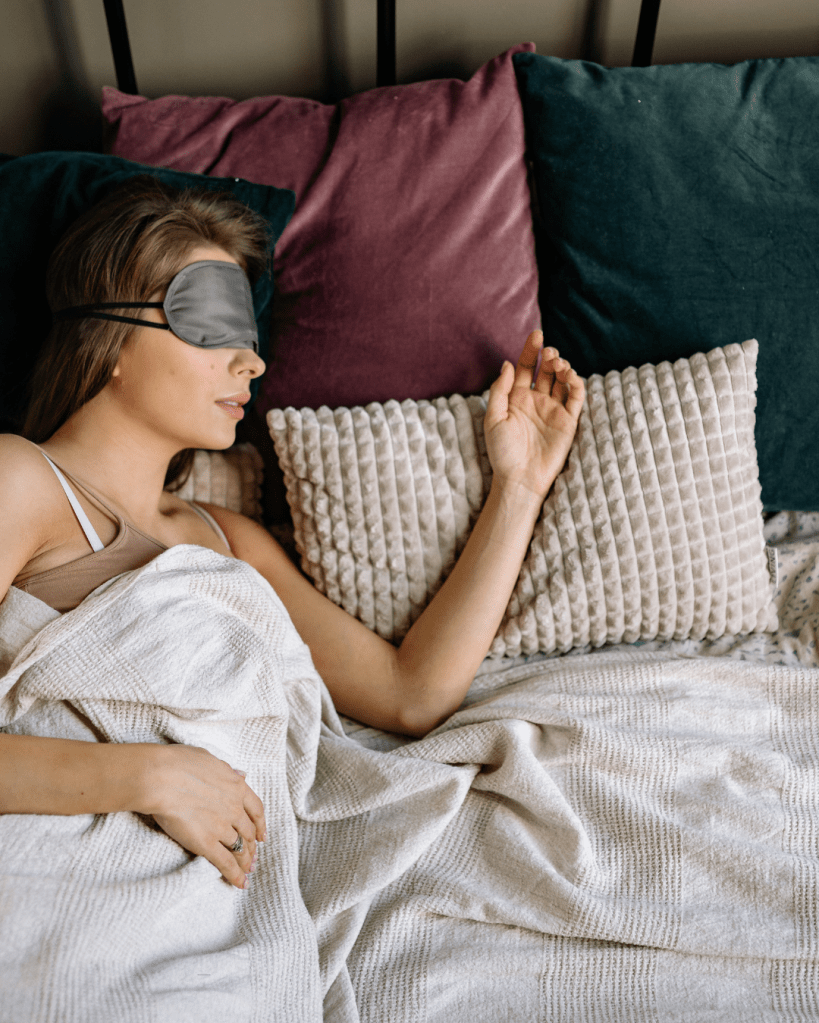
- Darkness: blackout curtains or an eye mask
- Noise: quiet or white noise
- Temperature: slightly cool
- Atmosphere: calming scents like lavender
You’re not aiming for perfection, just enough comfort to allow your body to shut down briefly.
Napping vs Night-Time Sleep
Naps can help boost energy, but they should never replace proper sleep. They are a supplement, not a substitute.
If you rely on naps daily just to get through the day, it may indicate that your nighttime
sleep:
- isn’t long enough
- is disrupted
- or isn’t truly restorative
Addressing sleep quality at night is always the priority.
Who Might Not Benefit from Napping?
While many people benefit from naps, they’re not ideal for everyone. Older adults, in particular, may find that napping:
- disrupts nighttime sleep
- reduces natural sleep drive
- leads to lighter, more fragmented sleep
For some, avoiding naps can actually improve overall sleep quality.
When to Seek Help for Sleep Issues
Occasional tiredness or a poor night’s sleep is part of being human. But if sleep starts to feel consistently off – either too much or not enough – it’s worth paying attention.
Excessive sleepiness
If you regularly feel the need to nap frequently or struggle to stay awake during the day, it may be worth exploring possible underlying causes such as:
- Depression
- Sleep apnoea
- Narcolepsy
- Chronic or post-viral fatigue
- Thyroid dysfunction
- Anaemia (iron deficiency)
- Medication side effects (e.g. sedating antihistamines, certain antidepressants
Difficulty sleeping
If you find it hard to fall asleep, stay asleep, or wake feeling unrefreshed, potential
contributing factors may include:
- Anxiety
- Chronic stress
- Poor sleep habits (e.g. irregular routine, late screen use)
- Caffeine or alcohol intake
- Hormonal changes
- Chronic pain or physical discomfort
- Environmental disturbances (light, noise, temperature)
- Shift work or disrupted routine
- Medication side effects (e.g. steroids, decongestants, other antidepressants
Persistent fatigue, ongoing sleep disruption, or a reliance on naps to get through the day is worth discussing with a healthcare professional.
Conclusion: A Simple Tool, Used Well
So … could naps be your secret weapon? Used intentionally, the answer is often yes.
A short, well-timed nap can:
- boost energy
- improve focus
- support mood
- enhance productivity
The key is to keep it short, strategic, and well-timed.
Not every day needs a nap. But when your body asks for one, you don’t need to feel
guilty. Sometimes the most effective way to move forward… is to pause for 20 minutes first.
To find out more click the links below:
Information and other content provided in these blogs should not be construed as medical advice and should not be considered a substitute for professional medical expertise. If you have any medical concerns, you should consult with your health care provider.

 Health & Wellbeing with Dr Joanna Taylor
Leave a comment