
When Rest Isn’t Enough
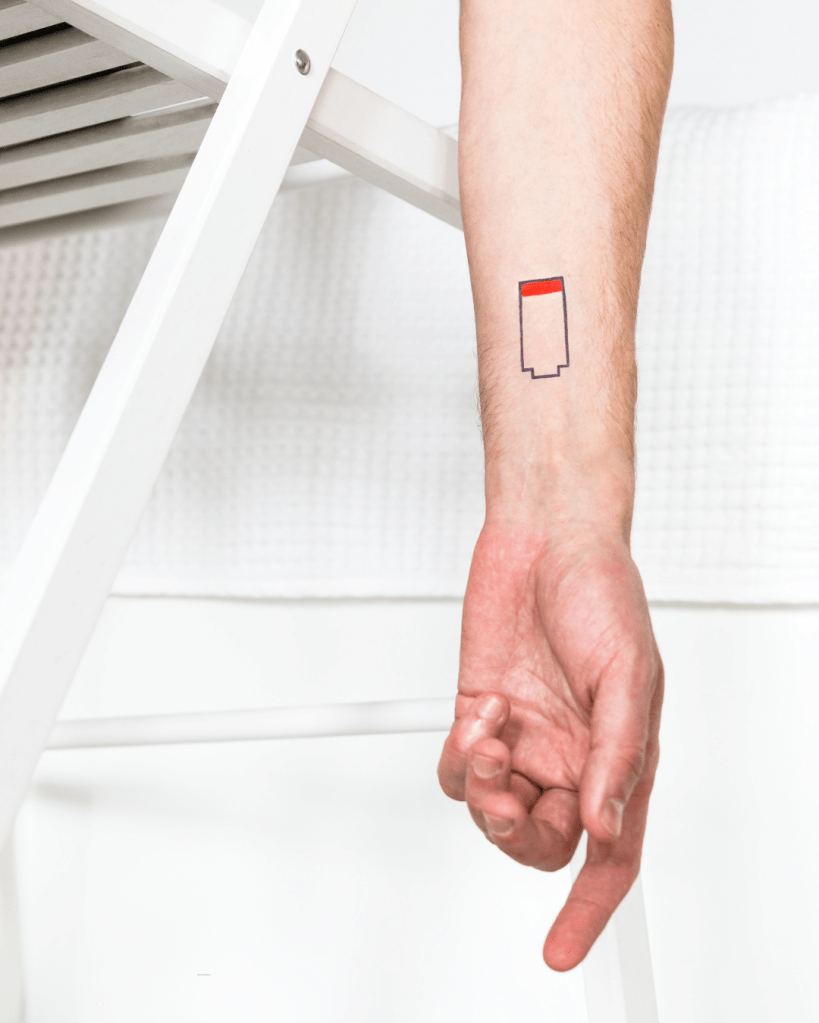
Chronic fatigue is more than just feeling a bit tired. It is a deep, unrelenting exhaustion that doesn’t lift with sleep, rest, or time. The kind of fatigue that follows you everywhere – for weeks, months, sometimes years – long after it feels like it should have passed.
- It’s waking up unrefreshed, no matter how long you’ve slept
- It’s feeling drained by the simplest of tasks, the everyday, mundane, previously effortless things
- It’s scanning your life for a reason… and finding no clear answer
For many, chronic fatigue begins after an illness, such as glandular fever, COVID, flu, or pneumonia. The infection has long left the building, but the body still feels like it’s in ruins.
Why this happens to some people and not others, and why this happens more severely in some and more mildly in others, is still not fully understood. Factors like stress, genetics, and overall baseline health may play a role.
Recovery can be slow and unpredictable. For some, symptoms steadily improve. For others, fatigue can persist long-term, fluctuating over time with periods of relative ease and periods of setback.

More Than Just Fatigue
Chronic fatigue doesn’t exist in isolation. It often brings a constellation of symptoms that can affect nearly every aspect of life.
You may notice:
- Brain fog, slowed thinking, and difficulty concentrating
- Memory lapses and reduced mental clarity
- Low motivation and emotional exhaustion
- Dizziness or light-headedness, especially when standing
- Sensitivity to light, noise, temperature, or touch
- Frequent headaches or body aches
- A sense of being constantly unwell or run down
It’s not uncommon to feel frustrated, low, or even hopeless. When your body isn’t responding the way it used to, it can feel confusing, isolating, and deeply discouraging.
Your Experience May Be Different
Chronic fatigue exists on a spectrum.
For some, it may mean low energy but the ability to continue working or socialising in a limited way.
For others, it may mean no energy, needing significant rest, minimal activity, and spending long periods in bed.
There is no one-size-fits-all experience, and no single approach that works for everyone.
Symptoms can fluctuate, and what feels manageable one week may not be the next. Any guidance or strategies should always be adapted to your individual capacity, needs, and stage of recovery.
A Shift in Pace and Perspective
Living with chronic fatigue often means adjusting to an entirely new rhythm.
It can involve letting go – at least for now – of the pace, plans, and expectations you once held. Your capacity to work, socialise, and engage may look very different. And that adjustment is not easy.
But within that shift, something else begins to emerge: awareness.
Finding Value in the Small Wins & Recognising Progress
The things you once overlooked can become meaningful victories.
- Getting through the day with a little more optimism and energy
- Enjoying a short walk outdoors
- Having a conversation without feeling completely depleted
When energy is limited, it becomes a kind of currency. Every activity has a cost, and choices become more selective and intentional.
Sometimes that means doing less, even on the days you feel better, to protect yourself from later setbacks. It’s not about holding yourself back; it’s about learning how to support your body more sustainably.
Redefining Productivity and Purpose
When your capacity changes, your idea of productivity may need to change too. That doesn’t mean giving up – it simply means adapting.
For some, maintaining a sense of routine, connection, or purpose, however small, can be incredibly important. For others, simply focusing on rest and recovery is all they can handle for now.
Purpose doesn’t have to look like it used to. It might be something smaller, quieter, or more personal – but it still matters. The quiet thread that keeps you moving forward on even the hardest days.
Nurturing Your Body Through Fatigue
Your body is working hard, even when you’re in bed. Supporting it through good nutrition, hydration, modified activity, and rest can help create the conditions for recovery.
- Prioritise a diet rich in nutritious, unprocessed, whole foods.
- Stay hydrated with a daily supplement of electrolytes.
- Ensure adequate levels of key nutrients like vitamin D and omega-3.
- Seek out natural remedies that may help ease symptoms. For example, options such as head tension or energising aromatherapy rollers, muscle and joint patches, or optimised curcumin may help take the edge off.
- Even lighting a candle can create a sense of calm and comfort on the more difficult days
Importantly, this isn’t about perfect results. It’s about finding sustainable methods to aid recovery while avoiding over-reliance on medications, comfort eating and harmful habits just to get you through the day.
Learning Your New Limits (and Honouring Them)
You will likely have good days and bad days. It can be tempting to do everything on the good days – but pacing yourself is key. Overdoing it on the good days can often lead to setbacks, often referred to as a “crash.” Listening to your body and learning what it can and can’t tolerate is a skill, and takes training.
If you are able, gentle movement, such as stretching, yoga, short walks, light muscle strengthening and balance exercises, can all be extremely beneficial. It’s important to preserve as much muscle strength and physical conditioning as possible. Prolonged inactivity and deconditioning can make everyday tasks feel even more challenging.
Grieving Your Former Self
Chronic fatigue can bring its own unique kind of grief.
- Grief for the version of yourself you once were
- For the energy you had
- For the plans you had to cancel
Just like grief, it’s common to cycle through frustration, denial, sadness, and, over time, some level of acceptance.
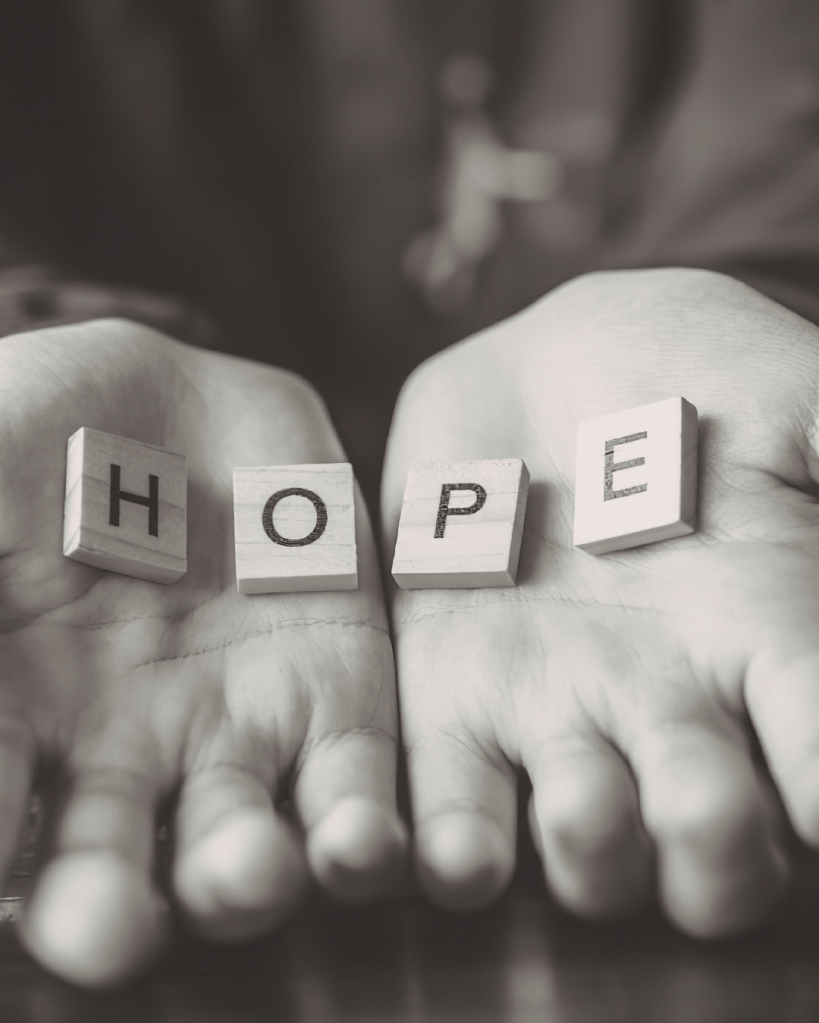
There Is Room for Hope
If there is one thing to hold onto, it is this: not everyday will feel as bad as today.
It may not be linear. It may not look the way you wish or expect. But many people do experience progress over time – even if it comes slowly in small, gradual steps.
Hope doesn’t mean ignoring how hard things are. It means acknowledging your reality while allowing space for the possibility that things can change.
When to Seek Medical Support
While chronic fatigue is a recognised condition, it’s important not to self-diagnose.
Ongoing or severe fatigue should always be assessed by a healthcare professional to rule out other possible causes.
Conditions such as iron deficiency, thyroid disorders, sleep disorders, hormonal imbalances, autoimmune conditions, and mental health issues can present with similar symptoms and may require specific treatment.
If your fatigue is persistent, worsening, or impacting your ability to function day-to-day, seeking medical guidance is an important and supportive initial step.
To find out more click the links below:
- Electrolytes
- Vitamin D3
- Omega 3
- Head Tension Aromatherapy Roller
- Energising Aromatherapy Roller
- Muscle & Joint Patches
- Optimised Curcumin
- Candles
Information and other content provided in these blogs should not be construed as medical advice and should not be considered a substitute for professional medical expertise. If you have any medical concerns, you should consult with your health care provider.


Leave a Reply