“It’s just hormones.”
“You’ll grow out of it.”
“Don’t touch your face”
“You eat too much chocolate.”
If you’ve ever dealt with acne, chances are you’ve heard some version of all of these – usually said with good intentions, but often totally missing the mark.
Because what happens when you don’t grow out of it?
When you’re well past your teenage years, avoid touching your face at all costs, and your chocolate intake is… perfectly reasonable?
Acne has a frustrating habit of feeling completely random – calm one week, then suddenly rebelling the next.
In reality, acne isn’t all that random. Behind the scenes, it follows a pattern – driven by a combination of oil production, clogged pores, bacteria, inflammation, and (crucially) how your body responds to all of these.
Once you understand your skin, acne becomes much less of a mystery and much more manageable.

The Building Blocks of Acne (and How Skincare Targets Them)
Most acne treatments work by targeting one or more key steps in the process. Think of it less as “one miracle product” and more as a team effort.
Unclogging pores
Ingredients like salicylic acid, retinoids, and alpha hydroxy acids (AHAs) help remove the mix of oil and dead skin that block up your pores.
Reducing bacteria
Benzoyl peroxide, azelaic acid, and sulfur target acne-causing bacteria and help calm active spots.
Calming inflammation
Niacinamide and azelaic acid reduce redness, swelling, and irritation, often the part that bothers people most.
Repairing skin and fading marks
Retinoids, AHAs, and azelaic acid help improve skin texture and reduce the coloured marks left behind after breakouts.
To summarise: effective routines usually combine multiple ingredients: one to keep pores clear, one to calm inflammation, and one to support long-term skin repair.
The Skin Barrier (The Overlooked Essential)
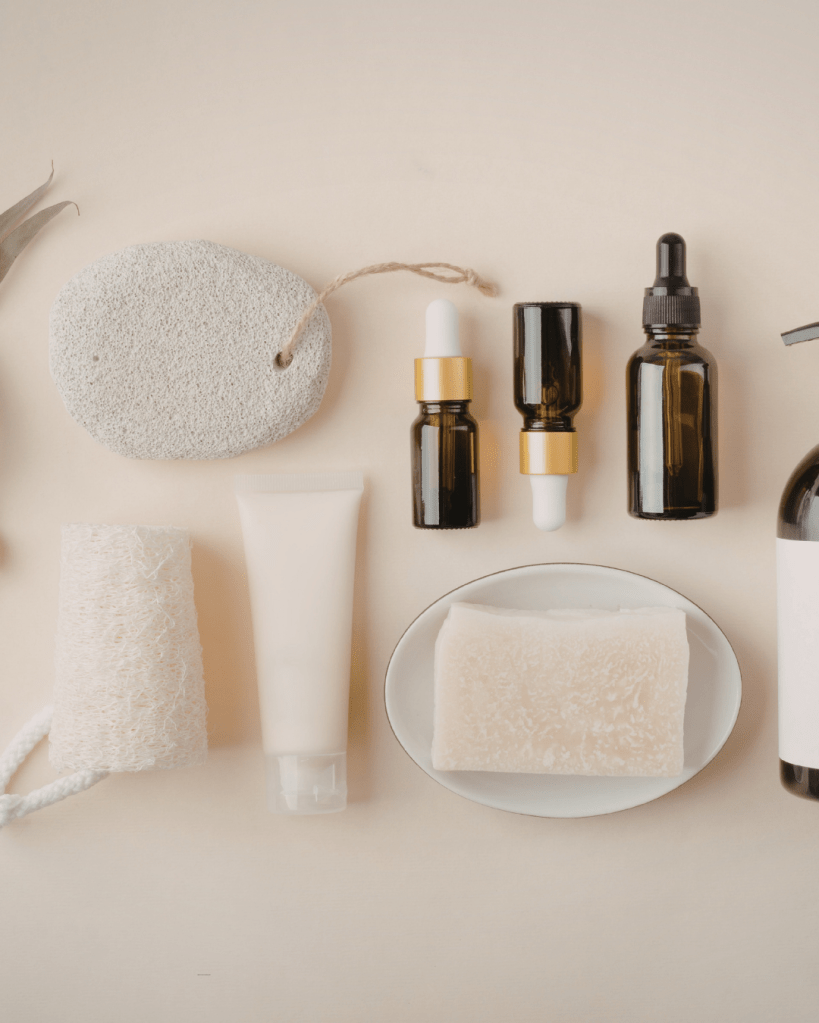
If acne had a silent partner, it would be the skin barrier. This outer layer of skin acts like a protective seal – it keeps moisture in and irritants out.
With a healthy skin barrier, skin is stable, shielded and less reactive. With a compromised skin barrier, your skin shield is disrupted – skin becomes sensitive, overreactive, and hard to manage.
A weakened barrier can:
- Increase redness and sensitivity
- Slow down healing
- Trigger more oil production
This is where many skin care routines go wrong. Over-cleansing, layering too many actives, or skipping moisturiser can strip the skin of its natural barrier, making breakouts even worse.
Finding The Right Moisturiser
Moisturiser isn’t optional or occasional – it’s a daily essential.
To rebuild an impaired skin barrier, a good moisturiser locks in moisture and creates the right conditions for the skin to repair.
Look for lightweight, fragrance-free, noncomedogenic (non-pore -blocking) formulas with ingredients like ceramides, glycerin, or niacinamide.
The Truth About Sunlight and Acne
Sunlight has a reputation for “clearing” acne. In reality, it’s more of a short-term illusion.
Yes, sun exposure can dry out spots and make redness look less obvious … temporarily.
But underneath the surface, sunlight isn’t helping as much it seems. UV exposure:
- Increases skin inflammation
- Weakens the skin barrier
- Darkens post-acne marks and slows their fading
This is why spots may disappear – but the marks left behind linger for weeks or months.
Lightweight daily SPF isn’t just about preventing skin cancer or ageing, it’s one of the most effective ways to prevent long-lasting acne marks.
Lifestyle Habits That Quietly Influence Acne
Diet and Processed Foods
Diet isn’t the sole cause of acne, but it can influence how severe it becomes.
Highly processed, high-sugar foods can:
- Spike blood sugar and insulin levels
- Increase oil production
- Promote inflammation
Over time, this creates the perfect environment for breakouts. On the flip side, a balanced diet supports:
- Stable hormone production (including insulin, testosterone, oestrogen, and progesterone)
- Lower inflammation
- Better skin healin
Certain nutrients like zinc, omega-3 fats, fibre, and vitamin A are also vital in supporting healthy skin.
Stress
Stress doesn’t directly “cause” acne either, but it can certainly turn the volume up. When you’re stressed:
- Cortisol increases oil production
- Inflammation rises
- Hormonal signals become less stable
Add in disrupted sleep, changes in diet, and the occasional spot picking session, and breakouts become far more likely.

Acne and Menstrual Cycles
We know that breakouts tend to worsen around the time of periods. Here’s why:
- Before ovulation: oestrogen rises → skin often feels clearer
- After ovulation: progesterone rises → slightly oilier skin
- Before your period: both hormones drop → oil-promoting hormones (like
testosterone) take over
This shift increases oil production and makes pores more likely to clog, leading to those familiar breakouts particular over the jawline and chin.
Exercise and Sweat
Exercise is generally beneficial for acne, it helps regulate hormones, reduce stress, and lower inflammation.
Sweat itself isn’t the problem. But it can become an issue if it sits on the skin for too long. When mixed with oil, bacteria, and tight clothing, sweat clogs up pores, and not just on the face – your neck, chest and back feel it too.
Simple solution: Gently cleanse your skin soon after sweating and change out of tight, damp clothing. Avoid scrubbing too harshly or that precious skin barrier will get disrupted again, leaving skin more sensitive and reactive.
Water Quality
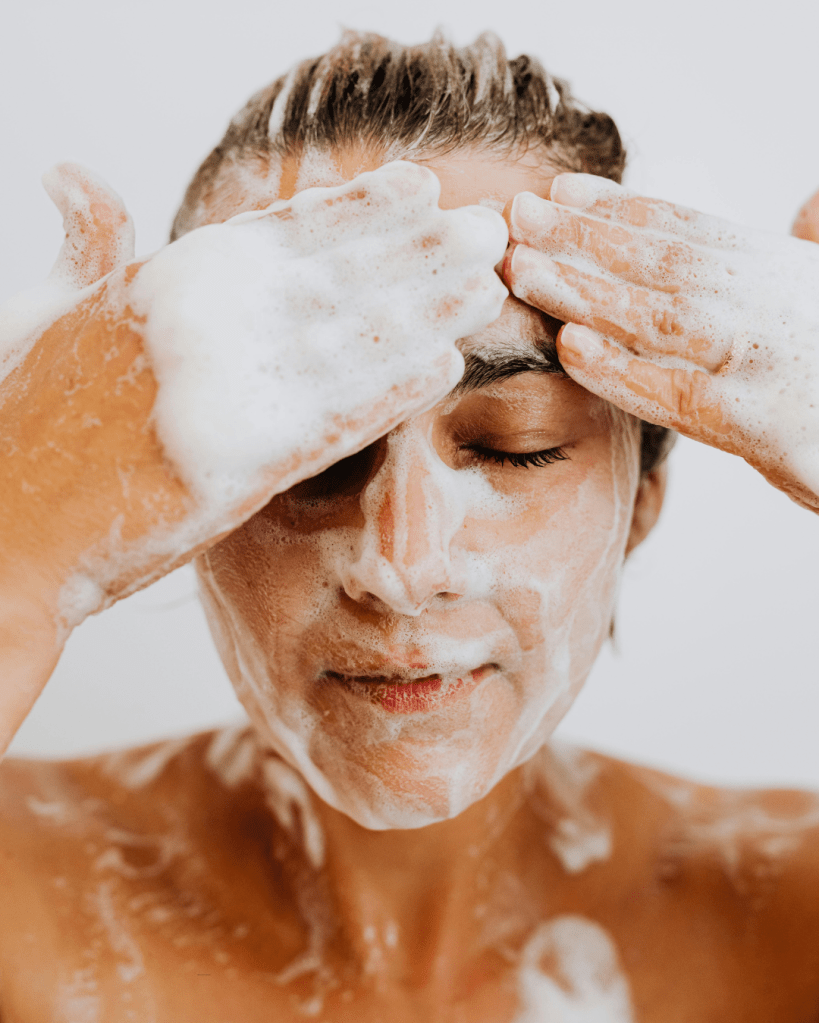
Hard water contains minerals like calcium and magnesium, which can:
- Leave a residue on the skin
- Make cleansing less effective
- Increase dryness and irritation
This can weaken the skin barrier and contribute to clogged pores over time.
Choosing the Right Moisturiser
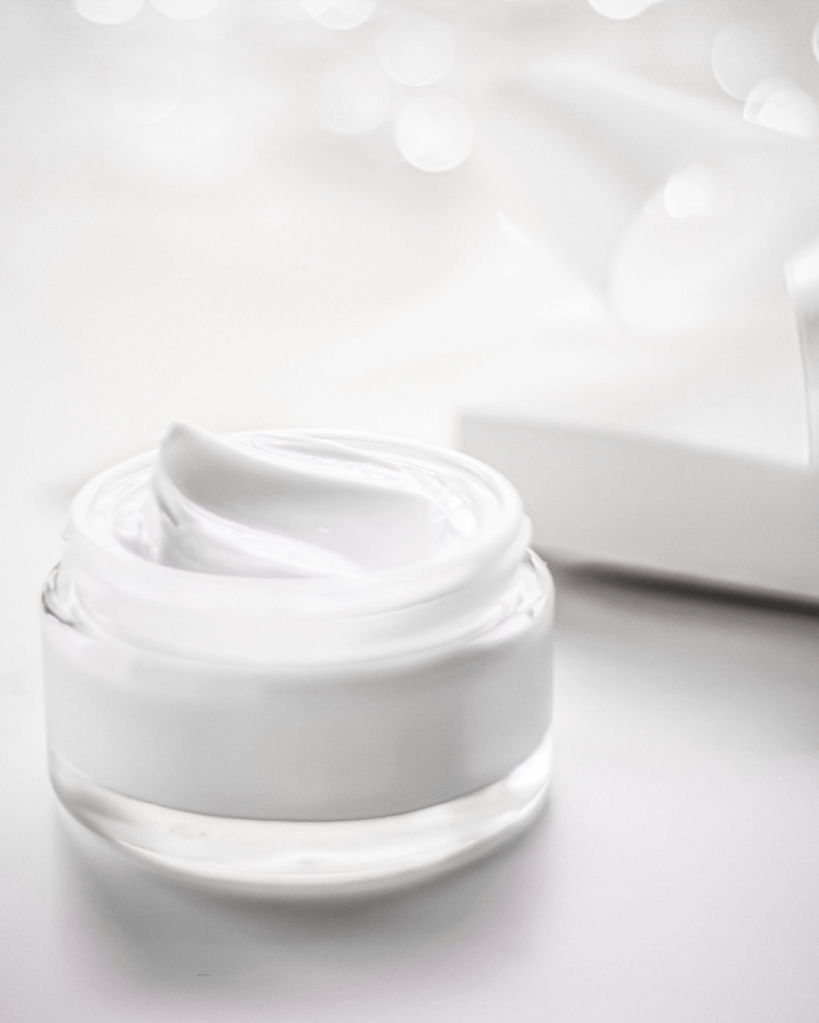
The best moisturiser is the one that works best for your skin. A good acne-friendly moisturiser should:
- Hydrate without clogging pores
- Be lightweight (gel or lotion textures work well – avoid thick greasy emollients)
- Support the skin barrier
Skipping moisturiser often backfires, leading to more oil production (as the skin tries to compensate for dryness), not less.
So… What About Chocolate?
Chocolate itself isn’t a guaranteed acne trigger, but diets high in sugar and processed foods, as mentioned above, can worsen breakouts.
For some people, dairy may also play a role by influencing hormones linked to oil production.
Putting It All Together
Acne isn’t caused by one single factor. It’s the result of multiple systems interacting:
- Oil production
- Pore blockage
- Bacteria
- Inflammation
- Hormonal changes
- Lifestyle influences
That’s why effective management is rarely about one product or one change, it’s about addressing the whole picture.
Although acne can feel random, it follows biological, hormonal, and environmental patterns. Once you understand those patterns, you can start working more effectively with your skin. Your skin isn’t working against you, it’s responding to what’s happening inside and around you. And with the right approach, those responses can be guided in a much calmer direction.
When Skincare Alone Isn’t Enough
If acne is persistent, painful, scarring, non-responsive, or significantly affecting quality of life, it may be time to seek medical support.
A GP can assess whether hormone-regulating treatments (such as oral contraceptives) may be appropriate, particularly if breakouts follow a clear cyclical pattern or are not responding to skincare alone.
In severe cases, referral to a dermatologist may be crucial, especially if stronger specialist treatments like oral tretinoin are needed. Tretinoin can be highly effective for unclogging pores, improving scarring, and reducing acne formation in the long run, but it must only be used under specialist guidance for proper dosing and monitoring.
To find out more click the links below:
- Gentle Cleanse & Makeup Remover
- Day Solutions Moisturiser with SPF
- Grapeseed Organic Oil
- Skin, Hair & Nails Gummies
Information and other content provided in these blogs should not be construed as medical advice and should not be considered a substitute for professional medical expertise. If you have any medical concerns, you should consult with your health care provider.


Leave a Reply