
We spend a lot of time trying to avoid bugs – antibacterial sprays, hand sanitiser, wiping down surfaces like we’re in a crime scene. And yet, inside your body lives an entire ecosystem of bacteria busily working to keep you well.
Not all bugs are bad. In fact, some are absolutely essential.
What Are Probiotics?
Probiotics are live microorganisms (bacteria and yeasts) that form part of your gut microbiome, a community of trillions of microbes living mainly in your large intestine.
These bacteria help break down food, produce vitamins (such as vitamin K and some B vitamins), support the gut lining, and regulate immune responses.
When this system is balanced, digestion is typically comfortable and predictable, bowel habits are regular, and the immune system functions appropriately.
When it’s disrupted, for example after a series of antibiotics, illness, or prolonged stress, this can lead to symptoms such as bloating, excess gas, constipation or diarrhoea, increased susceptibility to infections, and flare-ups of conditions like IBS.
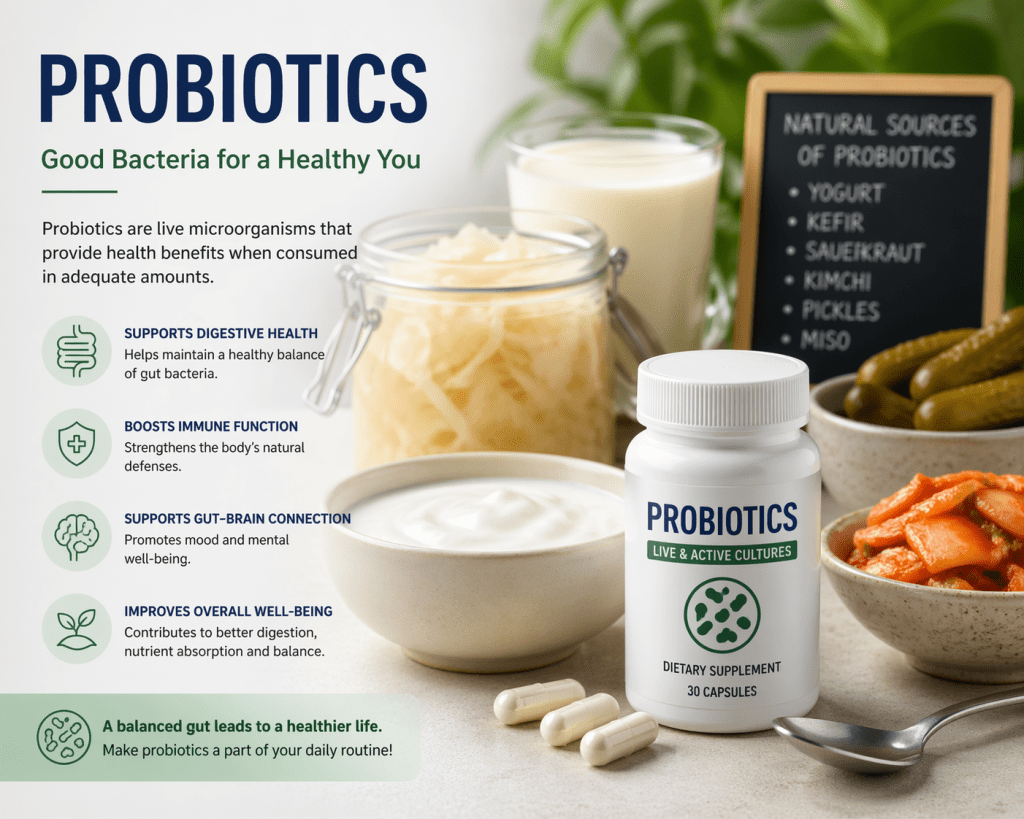
Health Benefits
1. Gut Health
Probiotics are most commonly used to support digestive symptoms. They may help reduce:
- Bloating and excess gas after eating
- Constipation (infrequent or hard stools)
- Diarrhoea, including after antibiotics or during infections
- Irritable bowel syndrome (IBS) symptoms including abdominal pain, altered
bowel habits, and urgency
They work by restoring balance between the beneficial and harmful bacteria, and by strengthening the gut lining, playing key role in keeping unwanted substances from slipping into the bloodstream.
2. Immunity
Around 70% of your immune system is located in your gut, where immune cells
constantly interact with gut bacteria. Probiotics may help:
- Reduce the frequency of upper respiratory tract infections (such as coughs and colds)
- Shorten the duration of illness
- Support recovery after infections
This can be particularly helpful during periods of stress, travel, poor sleep, or high workload, when the immune system is under greater stress & strain.
3. Exercise
Gut health and exercise tolerance are more closely linked than you might expect. Probiotics can:
- Reduce gastrointestinal symptoms during exercise, such as cramping, bloating, or urgency (common in runners)
- Support absorption of nutrients important for performance, including iron (for oxygen transport) and B vitamins (for energy metabolism)
- Help regulate inflammation, which plays a role in muscle soreness and recovery
- Reduce the risk of illness during periods of intense training
They won’t replace good training or nutrition, but they may help your body tolerate and
recover from exercise more effectively.
4. Skin Health
There is growing evidence of a gut–skin connection, where inflammation in the gut can influence the quality and integrity of the skin. Probiotics may help in some cases of:
- Acne (particularly inflammatory acne)
- Eczema
- Rosacea
They may work by reducing systemic inflammation and supporting immune balance. Effects tend to be modest and variable but can be a helpful adjunct alongside standard skin treatments.
5. Mental Health
The gut and brain communicate via the gut–brain axis, involving nerves, hormones, and immune pathways. Some probiotic strains may:
- Help reduce symptoms of low mood and mild anxiety
- Improve stress resilience
- Influence production of neurotransmitters such as serotonin
This doesn’t replace psychological therapies or medication where needed, but may offer additional support, particularly in people with co-existing gut symptoms.
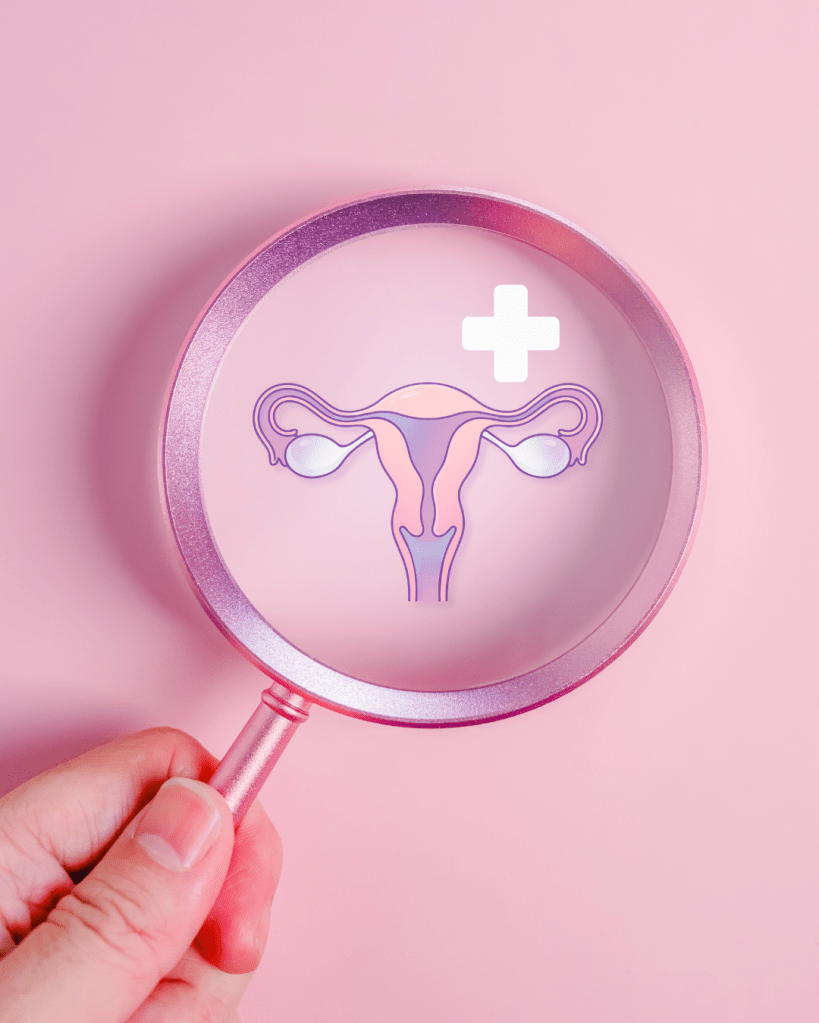
6. Women’s Health
Certain probiotic strains, particularly Lactobacillus species, play a role in maintaining a healthy vaginal microbiome. They may help:
- Reduce recurrence of bacterial vaginosis (BV)
- Lower the risk of thrush (candida infections)
- Support vaginal pH balance
Evidence is mixed, but probiotics may be useful alongside standard treatments, especially for recurrent symptoms.
7. Metabolic Health
Emerging research suggests the gut microbiome may influence aspects of metabolism. Probiotics may:
- Influence insulin sensitivity – improving blood sugar control and maintaining steadier energy levels, meaning fewer dramatic spikes and crashes
- Support weight management through appetite control (regulating hormones that signal hunger and fullness) and building a healthier gut microbiome – meaning you feel full sooner and for longer, reducing unnecessary snacking and grazing.
- Regulate metabolism – in addition to the health benefits stated above, a healthy gut microbiome means the body is better at utilising energy and less prone to
storing excess energy as fat.
Prebiotics and Probiotics: What’s The Difference?
- Probiotics = live bacteria
- Prebiotics = food for those bacteria (usually types of fibre)
Prebiotics are found in foods such as:
- Onions, garlic, leeks
- Asparagus
- Bananas (especially slightly underripe)
- Oats and whole grains
Without prebiotics, good bacteria struggle to survive and multiply. As well as being found naturally in foods, prebiotics are also available in more concentrated forms, either as isolated supplements, or a supplementary additive to probiotics. One of the most common is inulin, a type of soluble fibre naturally found in foods like chicory root. These types of prebiotics can provide a more targeted way to nourish beneficial gut bacteria, particularly for those who may not be getting enough fibre from their diet.
Remember: Probiotics introduce the bacteria. Prebiotics help them survive and grow.
How Do Different Strains Differ?
Different probiotic strains have different, specific strengths and roles. For example:
- Lactobacillus rhamnosus GG → acute and antibiotic-associated diarrhoea
- Bifidobacterium infantis → IBS symptoms such as bloating and abdominal pain
- Saccharomyces boulardii → antibiotic-associated and traveller’s diarrhoea
- Lactobacillus acidophilus → general digestive support and lactose digestion
- Bifidobacterium lactis → constipation, stool regularity and consistency
This is why choosing a probiotic based on the symptom or condition being treated can be more beneficial than choosing a generic “gut health” product.
Natural Sources of Probiotics
You can support your gut microbiome through diet as well as supplements. Foods that naturally contain probiotics include:
- Live yoghurt (look for “live and active cultures”)
- Kefir
- Sauerkraut
- Kimchi
- Miso
- Tempeh
- Kombucha
- Naturally fermented pickled vegetables
- Certain cheeses (if they contain live cultures)
What About Sourdough?
Not all fermented foods contain live bacteria by the time you eat them but can still offer benefits. Sourdough bread, for example, contains beneficial compounds produced during fermentation, including organic acids that support digestion and blood sugar control, and enzymes that improve mineral absorption. Unfortunately, most of the live bacteria in sourdough gets destroyed when exposed to high temperatures during baking.
Signs Your Body May Need Probiotic Support
While not specific to probiotics alone, certain symptoms can suggest your gut microbiome may be out of balance:
- Frequent bloating or excessive gas
- Constipation or loose stools
- Diarrhoea following antibiotics
- Recurrent infections
- New or worsening food intolerances
- Inflammatory skin conditions
These symptoms can originate from multiple causes, but the gut is commonly involved.
Who Are Probiotics For?
Probiotics can be helpful for those:
- Experiencing digestive symptoms
- Taking or recovering from antibiotics
- Prone to frequent infections
- Undertaking intense training
- Looking to support gut health alongside lifestyle changes
They can be used as a short-term intervention (for example, during or after antibiotics), or as part of a longer-term health reboot strategy.
When to Be Cautious
Probiotics are generally safe, but caution is advised if you:
- Are immunocompromised
- Have a serious underlying medical condition
- Have recently had major gastrointestinal surgery
- Are in hospital or have indwelling lines (e.g. IV or feeding tubes)
In these situations, there is a small risk that live bacteria from probiotic supplements could enter the bloodstream and cause infection, so medical advice should be sought
before starting probiotics.
Some people may notice temporary bloating or changes in bowel habits when first taking probiotics – this usually settles within a few days.
Timing: Does It Matter?
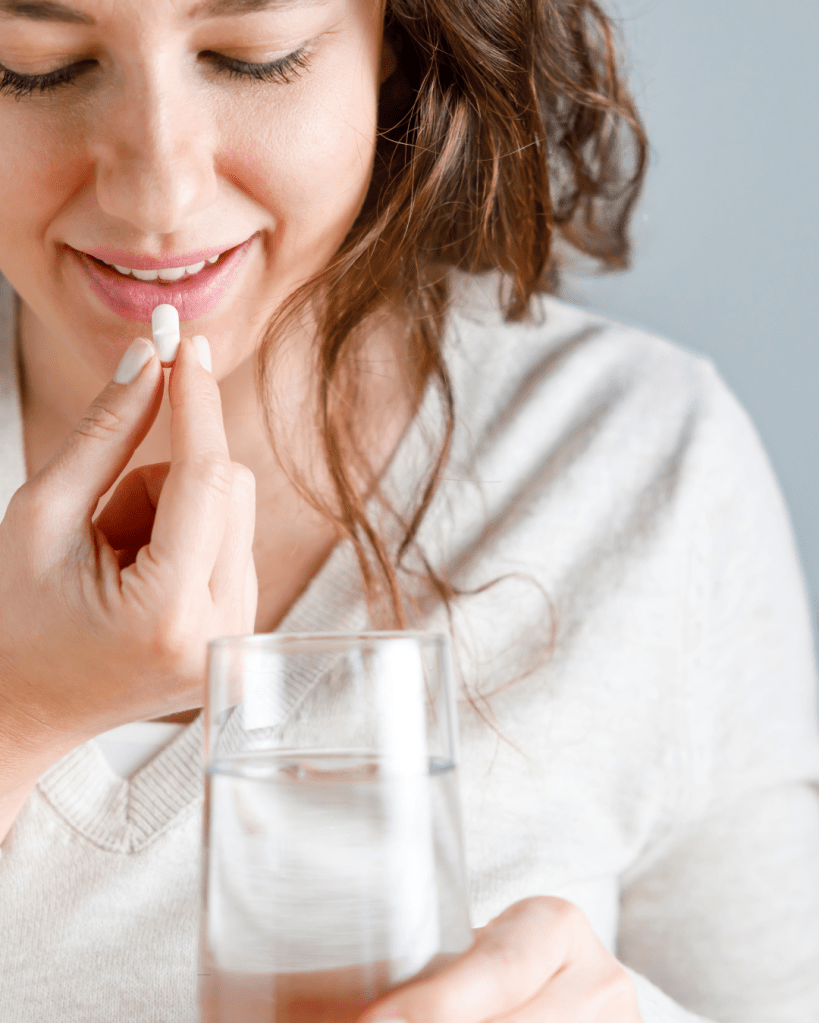
To improve survival of probiotic bacteria through stomach acid:
- Take probiotics with a meal or just before eating
- Food helps reduce stomach acidity, improving bacterial survival
- If using a delayed-release or enteric-coated supplement, timing is less important
Consistency has a greater impact than exact timing.
Conclusion
Probiotics are not a cure-all, but they certainly are useful, and for some, essential. Supporting your gut health more broadly involves:
- Maintaining a varied, fibre-rich diet
- Managing stress
- Adequate sleep
- Targeted use of probiotics
Your gut microbiome plays a central role in how your body functions day to day. Supporting it doesn’t require perfection – just the right inputs, applied consistently. And perhaps a small shift in perspective: not all bacteria need eliminating – some are worth looking after.
To find out more click the links below:
Information and other content provided in these blogs should not be construed as medical advice and should not be considered a substitute for professional medical expertise. If you have any medical concerns, you should consult with your health care provider.


Leave a Reply