
Sick of Headaches That Won’t Go Away?
It’s normal to feel worried when headaches keep coming back, or never fully go away.
One minute you think you’ve shaken it off, the next it’s back again with a vengeance, disrupting your day, stealing your focus, and souring your mood. After a while, it’s not just the pain that’s frustrating, it’s the daily unpredictability. You start wondering why, what you’re doing wrong, and whether something more serious is going on.
In many cases, recurring headaches are linked to common lifestyle factors, and once you recognise them, they’re often pretty manageable.
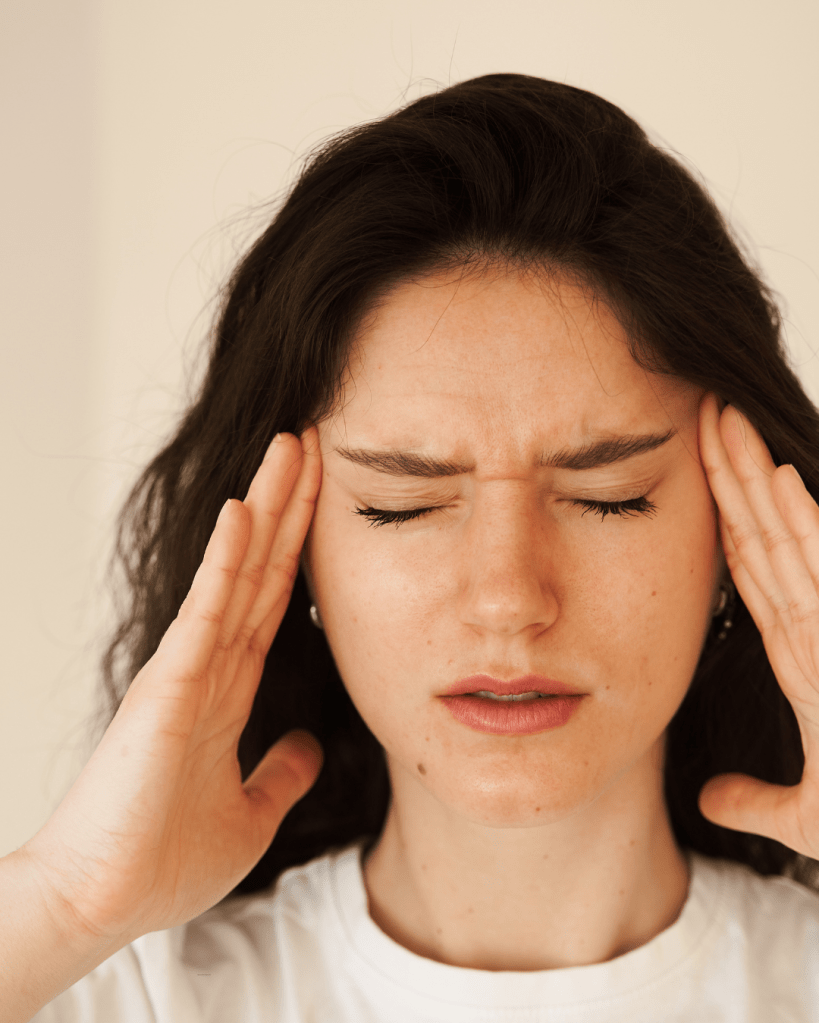
Why Are You Getting So Many Headaches?
Here are some of the most frequent triggers:
- Dehydration: your brain is one of the first places to feel it
- Sleep deprivation: not just one bad night, but a pattern over time
- Chronic stress: eventually, the tension starts creeping to the surface
- Too much caffeine: it can catch up with you
- Caffeine withdrawal: caffeine is a drug; your body gets used to it and after a while, struggles to cope without it
- Heat & sun exposure: especially without enough fluids or shade
- Eye strain: long hours on screens or maybe even a sign you need those reading glasses after all
- Medications: including hormones, blood pressure meds, or even frequent use of painkillers like paracetamol or ibuprofen (which can actually cause medication overuse headaches)
- Neck strain: tension in the neck can radiate into the head
- Blocked sinuses: from colds, flu, allergies, or sinus infections
- Hormonal changes (menstrual headaches): shifts in oestrogen levels, particularly just before or during your period, can trigger headaches or migraines
Headache vs Migraine – What’s the Difference?
Not all headaches are the same. A common tension-type headache is usually a dull, steady ache or pressure on both sides of the head, often linked to stress, dehydration, or fatigue. You can usually continue your day, even if it’s uncomfortable.
A migraine, on the other hand, is typically more intense and can feel like a throbbing or pulsing pain, often on one side of the head. It may come with nausea, sensitivity to light or sound, and sometimes visual disturbances (like flashing lights or blind spots).
Migraines can be disabling and may require rest in a dark, quiet room.
When You Can’t Find the Cause
Often, it’s nearly impossible to pinpoint one exact reason. It’s easy to become fixated on why – but that can quickly become overwhelming and lead to a dead end.
Instead, shift your focus to what you can control.

How To Make Them Go for Good
Try optimising the basics first:
- Stay hydrated: consistently, not just when you feel thirsty
- Prioritise sleep: your brain needs regular, quality rest. Overworked, it starts to push back
- Address stress: often, stress has been around for so long you barely noticed… until your head started to feel it
- Relaxation: especially early on when the headache starts. Head Tension
aromatherapy blends can help you enter a state of peace even amid the pain - Reduce caffeine: aim for 1–2 caffeinated drinks per day
- Warning: cutting back on caffeine may temporarily make headaches worse before making them better. This is a short term phenomenon and quickly settles down with perseverance
- Sun protection: hydration, hats, and shade all matter
- Reduce eye strain: take breaks and consider booking an eye test
- Review medications: check side effects and speak to your GP before making any changes. Save your painkillers for the worst headaches to avoid over reliance on them
- Support your neck: posture, exercises, massage, and a supportive pillow can help
- Allergy / congestion support: blocked sinuses don’t clear overnight. That pressure in your head can stick around for a while, so give your body time to recover. Simple remedies like steam inhalation, saline sprays or Breathe & Ease aromatherapy can all be effective
- Track your cycle: if headaches regularly occur around your period, recognising the pattern can help you prepare for them
When Should You Speak to Your Doctor?
While most headaches are harmless, there are times when you should seek medical advice. Watch out for these red flags:
- A sudden, severe headache (“the worst headache of your life”)
- Headaches that wake you up from sleep
- Headaches that worsen when lying down compared to sitting up
- Headaches accompanied by vision changes, confusion, incoordination, speech, memory or mobility difficulty, weakness or numbness in arms or legs
- Headaches occurring after a head injury
- Headaches with temples / scalp that are tender to touch
- Headaches with fever, neck stiffness, or sensitivity to light
- Headaches that don’t improve with simple pain relief
If something doesn’t feel right, trust that instinct and get it checked.

Final Reminder
Recurring headaches are common and rarely serious, often preventable, treatable and linked to everyday habits, meaning relief is well within reach.
Sometimes it’s your body’s way of getting your attention. Not something to fear, but something to listen to.
Instead of chasing a single cause, be patient, and focus on building a routine that supports your overall health long term.
To find out more click the links below:
Information and other content provided in these blogs should not be construed as medical advice and should not be considered a substitute for professional medical expertise. If you have any medical concerns, you should consult with your health care provider.

 Health & Wellbeing with Dr Joanna Taylor
Leave a comment