Your hair should be something you feel proud of. Something that gives you a quiet boost of confidence – even on the days where everything else feels a bit… meh.
Because truthfully, a good hair day can turn the whole day around.
But then there are times when looking after your hair feels like a real chore. When your hair starts changing altogether; thinning, shedding, breaking, or simply refusing to behave; it’s natural to feel a little twinge of alarm.
It’s Not Just Hair
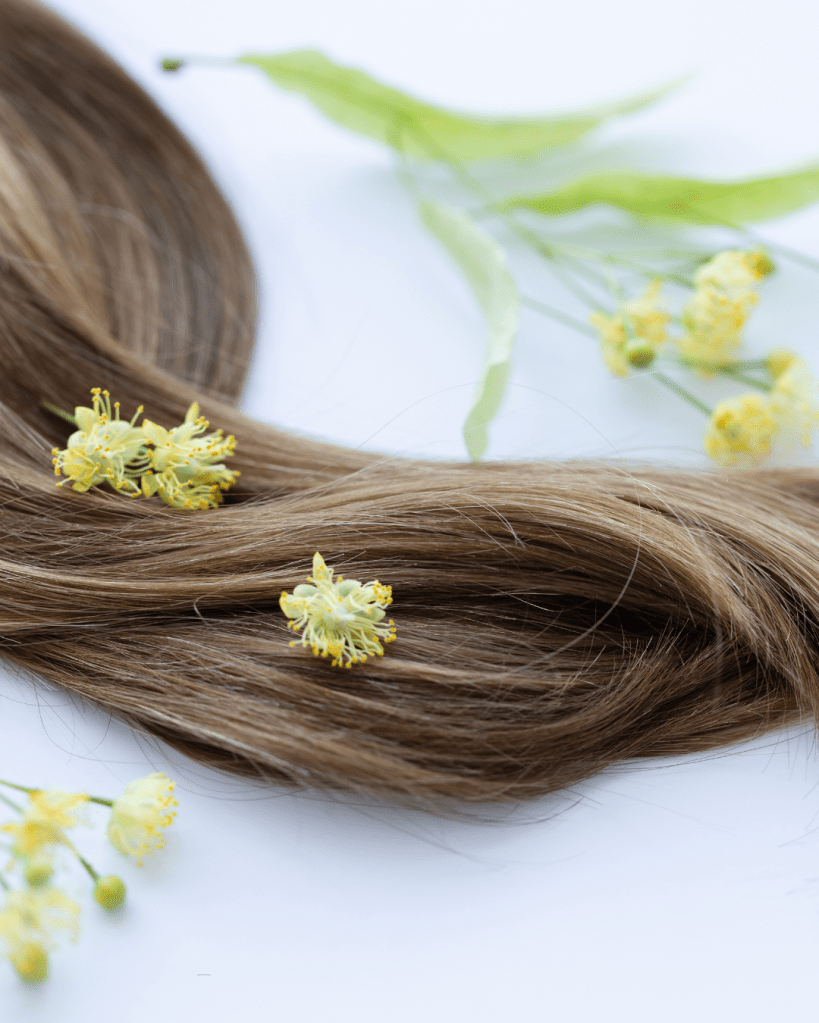
Hair isn’t just an external feature. It’s often a reflection of what’s going on internally – a mirror to your health, your hormones, your nutrition, even your stress levels.
So when your hair starts behaving differently, it’s sometimes less about the hair itself.. and more about what your body is trying to tell you.
When Your Hair Goes Rogue
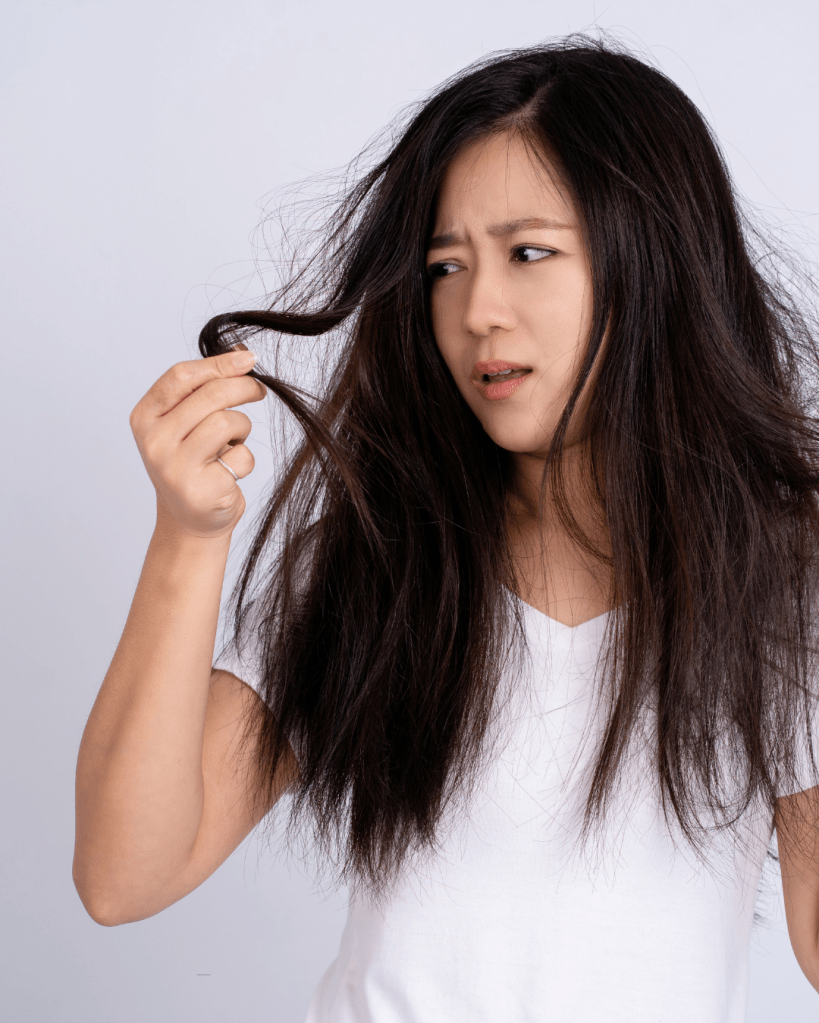
Your hair has a fairly simple way of communicating. You might notice some of the
following changes :
- Thinning hair
- Patchy hair loss
- Increased breakage or brittle ends
- Dry, dull hair
- An itchy or irritated scalp
- Dandruff
On their own, these are often pretty harmless. But if they’re new, persistent, or joining
forces, they’re worth paying attention to.
What Could Be Going On?
The Inside Story
There’s rarely just one cause, but here are a few common factors:
- Hormonal Changes
Hormones play a significant role in hair growth. Whether it’s puberty, pregnancy, the postnatal period, perimenopause, or with certain contraceptives, all can affect hair thickness and shedding. Thyroid imbalances can also sneak up on you, often disguised as hair issues. - Medications
Some medications can affect the hair growth cycle and lead to temporary thinning or shedding. These include certain antidepressants, beta-blockers, blood thinners, long term steroid use, hormonal treatments, and cancer therapies. - Nutritional Deficiencies
Hair is surprisingly demanding when it comes to nutrients. Iron, zinc, protein, and vitamins like biotin and vitamin D all play a role in keeping hair strong and growing well. When levels are low, hair often feels it first. - External Stressors
Heat styling, tight hairstyles, chemical treatments, and over-processing can all weaken hair over time. Sometimes it’s not what’s happening inside – but how much your hair is being asked to tolerate on the outside. - Scalp Conditions
A healthy scalp is the foundation for healthy hair. Conditions like eczema, dermatitis, or psoriasis can disrupt that environment – leading to itching, flaking, and changes in hair quality. - Stress (Of Course)
It wouldn’t be a health blog without mentioning stress. Physical or emotional stress – whether from illness, infection, or life in general – can push hair into an early or prolonged shedding phase. This often shows up a few months after the trigger, which can make it feel confusing and completely unexpected.
How To Keep Hair Happy
No complicated routines. No miracle cures. Just a few solid foundations:
Start with Your Scalp
Healthy hair starts at the scalp. If it’s dry or irritated, it needs extra care and attention. Natural products like coconut oil or castor oil can help moisturise, hydrate, rebalance and support the scalp environment.
Strengthen and Protect
Healthy hair is really all about hydration and quality moisture. Argan oil is a superstar for locking in moisture, providing a protective layer, reducing frizz, and improving overall
hair texture.
Support Growth
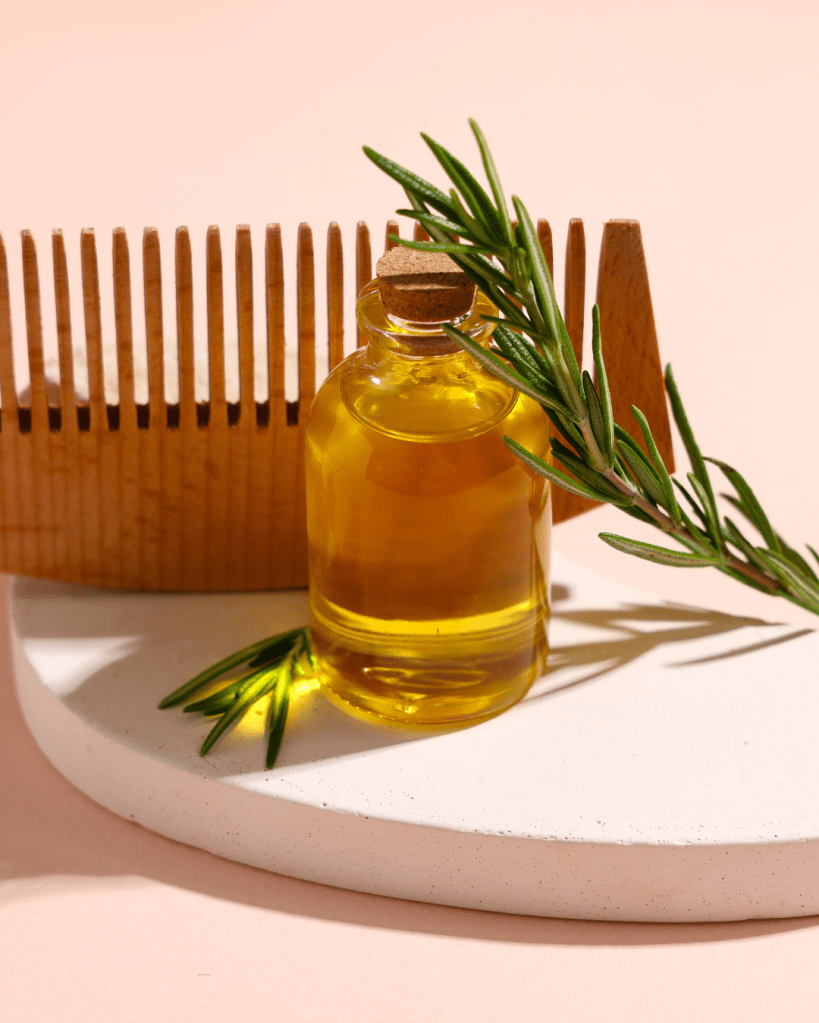
Strengthening hair at the root gives it a fair chance to grow. Rosemary oil has gained
popularity for good reason. It provides anti-inflammatories properties for the scalp and supports healthier, thicker, longer hair growth over time. A little, used regularly, goes a long way.
Nourish From Within
Healthy hair starts long before your conditioner. A nutritious balanced diet rich in protein, iron, zinc, biotin, vitamin D, and selenium is fundamental for encouraging stronger, healthier hair. Whenever your hair needs a little extra support, supplements may give it the helping hand it needs.
Give It Time
Hair doesn’t change overnight – and it doesn’t bounce back overnight either. After periods of stress, illness, or hormonal fluctuations, your body often just needs time to reset. It knows what it’s doing… it’s just not in any hurry.
Don’t Ignore the Important Stuff
If changes are significant, persistent, or concerning, it’s worth checking in with your GP. Conditions like thyroid dysfunction or significant deficiencies are often quick to identify and easily treated.
Consider Hormonal Support
If hormones are playing a role, adjusting contraception, starting or altering hormone
replacement therapy (where appropriate) can make a meaningful difference.

To Summarise
Your hair isn’t there to annoy you. It’s reflecting and responding – to your body, your environment, your lifestyle.
So when it starts to change, listen to its signals. Because more often than not … your hair isn’t the only issue. It’s just the message.
Information and other content provided in these blogs should not be construed as medical advice and should not be considered a substitute for professional medical expertise. If you have any medical concerns, you should consult with your health care provider.

 Health & Wellbeing with Dr Joanna Taylor
Leave a comment