
Most of us, if we’re lucky enough, enjoy a bit of a tan. There’s a fascinating historical paradox here: what was once considered a sign of labour, poverty, and dirt is now coveted as a healthy glow.
But it’s not just about appearances. A tan is often a conversation starter – “Ooo, where have you been?” – a chance to relive a holiday through someone else’s eyes. A little escape for those still enduring wet, cold winters.
Let’s be honest, though. How many of us, in the quest for that “perfect” glow, have taken an unwanted detour down sunburn avenue? Perhaps we’ve delayed sunscreen for “just a few more minutes,” thinking it will somehow preserve our hopes of a golden glow.
Then we get home, step into the bathroom light… and horror strikes. No tan. Just bright red in all the worst places. Aloe vera becomes our best friend, and we hope the redness will magically turn to bronze. The reality? Often, the skin was so dehydrated it shed before it ever got a chance to brown.
And yet, we know the risks: skin cancer, premature ageing. Still, sunlight is good for us. A natural source of vitamin D. It lifts our spirits, brightens our mood, sparks joy, boosts our energy. A simple antidote to winter blues. We want the glow of youth without looking older than our years.
So, with all this conflicting advice, is tanning really “all that bad”? Let’s take a look at what actually happens beneath the surface.

What Happens When You Tan
UV Rays Hit Your Skin
Sunlight contains UVA and UVB rays, both of which penetrate your skin:
- UVB → damages DNA directly (hello sunburn)
- UVA → penetrates deeper, driving wrinkles, sagging, and long-term ageing
Your DNA Gets Damaged
UV exposure triggers DNA damage. Your body recognises this as a threat. Left unchecked, repeated exposure can lead to skin cancers developing.
Your Skin Fights Back
Pigment-producing cells produce melanin, your natural sunscreen:
- Absorbing and scattering UV rays
- Limiting further DNA damage
The Tan Appears
Melanin spreads through your skin, creating a darker colour.
Important:
- The damage has already occurred
- The tan is a response, not protection beforehand
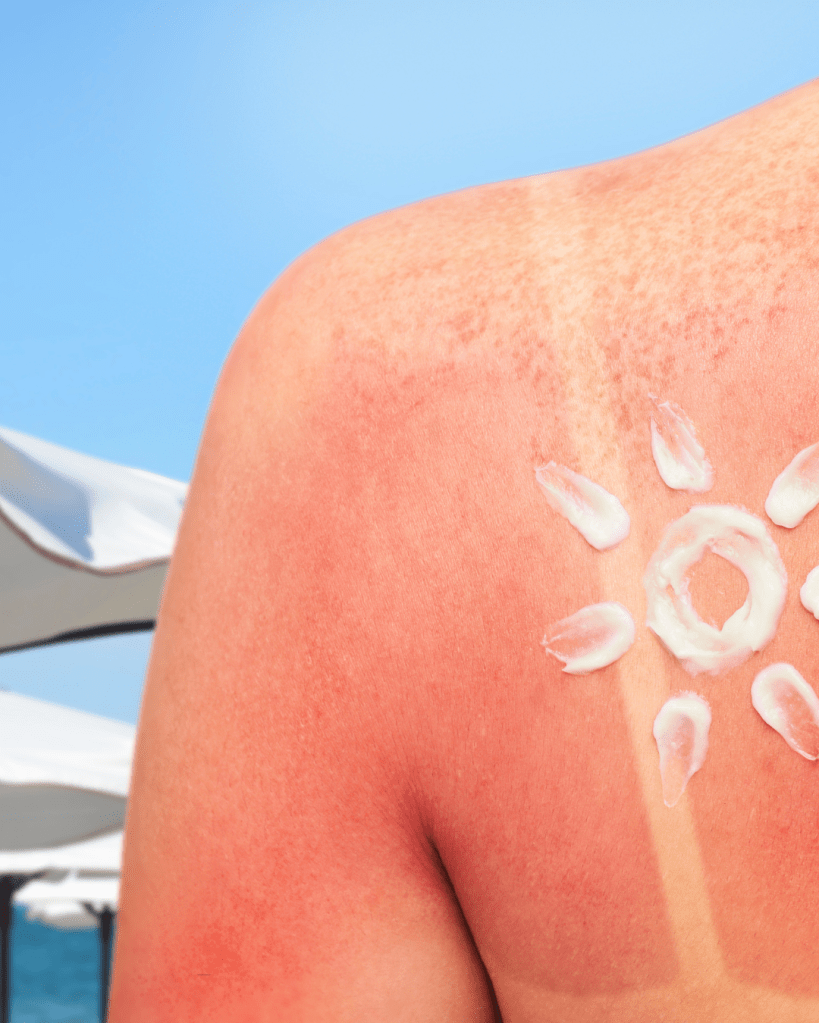
The Stains the Sun Leaves Behind
Frequent sun exposure does more than darken your complexion:
- Premature ageing → fine lines, wrinkles, loss of elasticity
- Uneven pigmentation → dark spots, blotchy patches, often called ‘sunspots’
- Rough texture → skin may become thick, leathery, or dry
- Broken capillaries → small visible red or purple vessels, especially on the face
- Reduced resilience → slower healing, increased sensitivity
- Changes in moles or new lesions → some may require long-term monitoring
- Increased risk of skin cancer → from superficial, easy-to-remove types to more invasive forms
How to Enjoy the Sun Safely
Being outdoors is vital for wellbeing. Sunshine boosts energy, lifts spirits, and supports vitamin D production. But it’s important to be intentional and protective:
- Sunscreen → apply broad-spectrum SPF daily, even if cloudy, and reapply every
couple of hours when outside - Protective clothing → hats, sunglasses, lightweight long sleeves; shield your eyes from UV at all times
- Moisturise, moisturise, moisturise → before, during, and after sun exposure; it keeps skin plump, healthy, hydrated, prevents peeling, and prolongs the tan
- Timing → seek sun in the morning or late afternoon when UV intensity is lower
- Build exposure gradually → sudden, intense sun is more damaging than consistent, moderate exposure
- Avoid chasing a tan → let any colour change be incidental, not the goal
Why Broad-Spectrum Sunscreen Matters
Protects against both UVA and UVB rays (not all sunscreens do)
- UVB → causes visible burns
- UVA → drives deeper damage: ageing, pigmentation, and contributes to skin
- cancer
- UVA is present all day, year-round – even through clouds or windows
In short: Broad-spectrum sunscreen protects you from both the damage you can see, and the damage you can’t.
Don’t Forget Your Neck!
The neck has thinner, more delicate skin than the face, so it’s more prone to wrinkles, sunspots, and sagging. It’s easy to neglect your neck, but it often shows the first signs of sun damage. Learning to apply SPF to your neck daily is just as important as remembering to apply it to your face… so your neck doesn’t start giving away your age before your face does!
Key Messages
The sun isn’t just light for your skin – it’s nourishment for your soul. A few mindful
minutes in its warmth remind us how good it feels to simply be alive.
- If your skin is changing colour, it’s already under stress.
- A glow might look healthy – but biologically, it tells a different story.
- A tan isn’t your skin getting healthier – it’s your skin defending itself after damage.
- The changes happening beneath the skin linger far longer after the tan fades.
- If UVB burns your skin, UVA quietly ages it.
Moderate sun exposure has real benefits, but the quest for a tan shouldn’t come at the expense of long-term skin damage. Respect your skin, protect it, and enjoy the sun safely. Your skin will thank you for it for many years to come.
Information and other content provided in these blogs should not be construed as medical advice and should not be considered a substitute for professional medical expertise. If you have any medical concerns, you should consult with your health care provider.

 Health & Wellbeing with Dr Joanna Taylor
Leave a comment