
Ever notice how your gut seems to act up at exactly the wrong moment?
The inappropriately loud stomach rumble in a quiet room, just as conversation turns
serious.
The bloat that not even your most forgiving sweatshirt can disguise.
That subtle internal dialogue about whether you can undo the top button of your jeans
and get away with it without anyone noticing.
Or finally getting into bed, only for reflux to make an untimely appearance.
And of course, the stitch that shows up at the gym, just to torment you a little further.
Awkward timing aside, it does make you wonder…what exactly is your gut trying to tell
you?
Your Gut: The First Responder
We now understand more than ever about the gut–brain connection.
Your gut isn’t just involved in digestion, it’s closely linked to your nervous system.
Which is why one of the first places stress shows up (that familiar “fight or flight” response) is often your gut.
It’s quick. Reactive. And not particularly subtle.
So when your gut is misbehaving, it’s often not random – it’s a signal.
It’s Not Always About Food
Food tends to take the blame. And yes, we all have our triggers.
Sometimes it’s predictable. A specific ingredient.
Other times it’s more complicated, not the food item itself, but how it’s cooked – boiled
might be fine, fried… less so.
But then there are those phases where everything seems to set things off.
Curry, salad, even a handful of grapes, and your gut just refuses to cooperate.
That’s usually a sign that something else is going on.
Periods of illness, travel across time zones, changes in routine & climate, unfamiliar
foods, hormonal fluctuations (i.e. menstrual cycles), or even a recent gut infection can
all disrupt the balance of your digestive system. And when that happens, your gut can
take a while to recalibrate.
So, What Actually Helps?
No fad diets. No radical life changes. Just a handful of simple, evidence-based habits
that help your gut feel calmer, happier, and more resilient.
Support Your Gut Bacteria
Your gut is home to trillions of bacteria collectively known as the microbiome.
The right balance of these little critters is crucial for smoother digestion, fewer bloating
episodes, more manageable toileting, and greater resilience. Building a barrier that can
better handle the occasional “oops, I shouldn’t have eaten that” moment.
They’re especially helpful after a course of antibiotics, a stomach bug, or during periods
of stress or travel, when your microbiome can get disrupted. Think of them as your gut’s
personal support team – small, steady, and quietly doing a lot of the heavy lifting.
Fibre: The Quiet Overachiever
Fibre really is the unsung hero of your digestive tract.
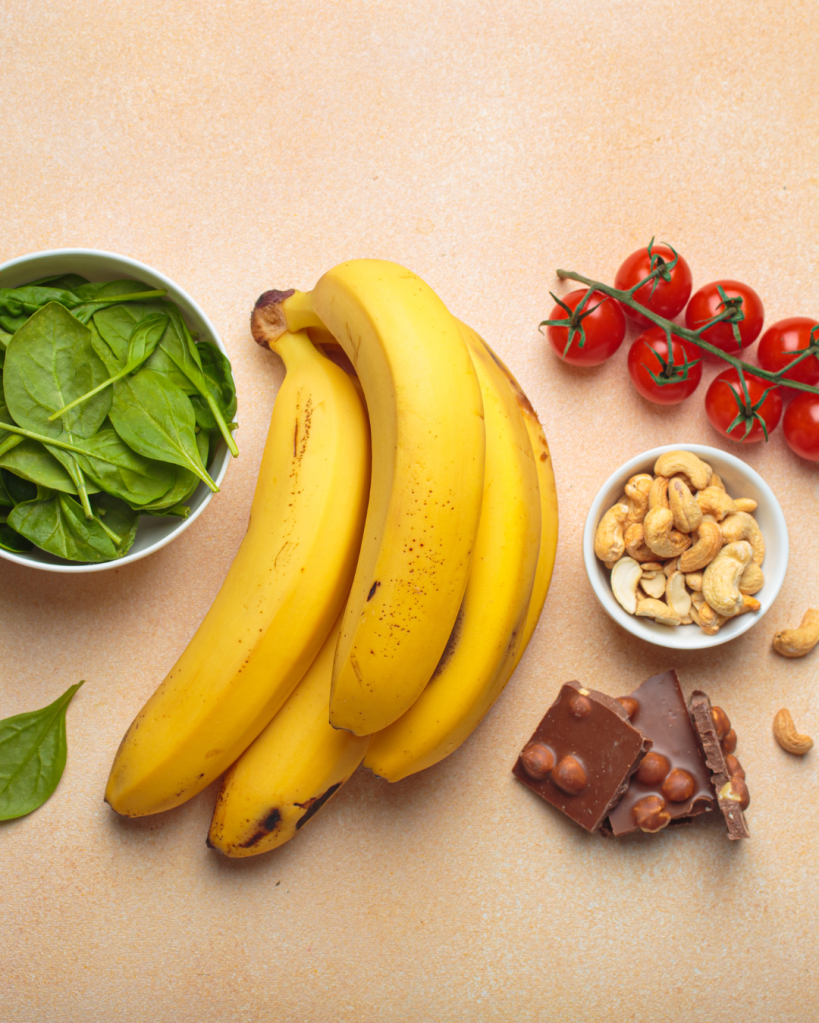
It keeps bowel movements regular, supports healthy gut bacteria, and helps keep bloating and sluggishness at bay. Fibre also helps steady blood sugar, maintain a healthy weight, and generally keeps your gut (and your body) feeling more balanced.
Aim for around 30g a day, but build up gradually. Too much too soon and things can get
messy (your gut will let you know).
Be Mindful with Caffeine
Caffeine is a stimulant, and your gut is one of the first places it shows up.
That morning pick-me-up cup of coffee can be a lifesaver for kickstarting your day.
But if your digestion is already on high alert, caffeine can also make symptoms worse – bloating, cramping, or sudden urges. You don’t have to give it up entirely, but it can help
to ease off, switch to decaf, or reduce the amount while your gut settles. That way, you get your morning boost without the flare up.
Peppermint: A Natural Soother
Peppermint is well known for its calming effect on the digestive system. It helps relax the muscles of the gut, which can ease bloating, cramping, and discomfort. A simple, gentle option that often works surprisingly well.

Keep Moving
Exercise doesn’t just benefit your fitness, it helps your digestion too.
Regular movement supports the natural rhythm of your gut, helping reduce bloating and
constipation. It also lowers stress, which, as your gut will happily remind you, makes a
difference.
Stay Hydrated
Your gut runs on more than just food, it needs fluid too.
If things feel slow, heavy, or uncomfortable, it’s often less about what you’ve eaten and
more about what you haven’t drunk.
Long days at work, sweaty workouts, or running around like a mini cyclone? A little
electrolyte boost can help keep your body (and your digestion) in happy, balanced
harmony.

Know When to Get Advice
If your symptoms stick around, get worse, or just feel off, it’s always worth having a chat
with your GP. And while it’s tempting to start experimenting by cutting out foods, restrictive diets should be done carefully and with specialist guidance. Done properly, they might just solve the mystery. Done whimsically, they often create more confusion
than they’re worth.
A Final Thought
Your gut isn’t trying to be difficult.
It’s responsive, sensitive, and closely connected to the rest of your body.
So when it starts acting up, it’s worth pausing for a brief moment.
Because more often than not… your gut isn’t the problem. It’s the message.
Information and other content provided in these blogs should not be construed as medical advice and should not be considered a substitute for professional medical expertise. If you have any medical concerns, you should consult with your health care provider.

 Health & Wellbeing with Dr Joanna Taylor
Leave a comment