From the moment we start secondary school, we’re introduced to hormones.
We blame them for our mood swings, credit them for life’s changes, and whisper their name as silent suspects whenever things feel a little off.
But as life goes on, it becomes harder to tell: Is it really my hormones, or is it just me?
The truth is, hormones rarely ever sit still. Across a woman’s life, they shift constantly, through menstrual cycles, pregnancy, postnatal changes, stress, illness, and beyond.
They are dynamic, responsive, and at times… totally unpredictable.
But there is one phase where that unpredictability becomes particularly noticeable.
Perimenopause: When Things Start To Feel … Different
Perimenopause is the gradual transition from having regular periods to eventually having none, when fertility gradually winds down.
For most women, this happens between the ages of 45 and 52 (though it can start
earlier). Contrary to popular belief, it’s not a smooth, gentle ride into menopause.
Hormones don’t just quietly fade away. They fluctuate. Up, down, chaotic, unpredictable – sometimes shifting month to month, sometimes day to day.
It’s less of a steady decline… and more of a hormonal rollercoaster you didn’t quite buy a ticket for.
The Symptoms (That Don’t Always Look Obvious)
One of the reasons perimenopause can feel so confusing is that the symptoms are
often subtle, gradual, and easy to dismiss.
You might notice the following:
- Changes in your periods (timing, flow, duration)
- Hot flushes
- Night sweats
- Persistent fatigue
- Brain fog or forgetfulness
- Irritability or sudden anger
- Anxiety or low mood
- Aches and pains
- Thinning hair
- Dry skin
- Sleep disturbances
Or, more simply: you just don’t feel like yourself.
And because many of these symptoms are invisible to others, it can start to feel unsettling, like you’re the only one noticing something isn’t quite right. And you start to
wonder “am I the one that’s going crazy?”
Why Getting The Right Support Matters
This phase can last several years. Which means quietly “putting up with it” isn’t just
exhausting, it’s unnecessary.
Getting the right support early can make a real difference -not just in how you cope, but
in how you feel day to day.
This isn’t about just “getting through it.” It’s about feeling like yourself again. You deserve to feel well, function well, and enjoy your life – even when it feels like your hormones are fighting against you.

Hormone Replacement Therapy: The Game Changer
Hormone Replacement Therapy (HRT) has transformed the way we approach perimenopause and menopause.
What was once a “just get on with it” stage of life is now something we can actively
support and manage. At its core, HRT works by replenishing declining hormone levels – helping to bring more stability to what can otherwise feel like hormonal chaos.
It’s not about perfection. It’s about balance.
For many women, it can significantly improve symptoms like sleep, mood, and overall quality of life. That said, it’s not a one-size-fits-all solution, and it’s always important to have an informed discussion with your GP about whether it’s right for you.
The Foundations Still Matter
While HRT can be incredibly effective, it’s not the whole picture.
Supporting your body during this transition is just as important, and often where the
biggest long-term benefits lie. Think of these as your foundations:
Keep Moving
Your body may feel different, and yes, sometimes less cooperative – but movement is
more important than ever. Walking, dancing, strength training, swimming, stretching – whatever you enjoy, keep doing it. Not perfectly, just consistently.
Fuel Your Body Well
When you’re tired, overwhelmed, and not quite yourself, it’s easy to reach for convenience. But your body is working harder behind the scenes. It needs support. A balanced nutritious diet helps your energy, mood, skin, hair, and overall health – not
just your waistline.
Lighten The Load Where You Can
This stage of life often comes with overwhelming demands – career, family, home,
responsibilities in every direction.
It’s a lot.
You don’t have to do it all. And you certainly don’t have to do it all at once. It’s not about doing less, it’s about protecting what you have to give.
Make Sleep a Priority (Even When It’s Tricky)
Sleep can become frustratingly unreliable. But creating the conditions for rest still
matters – winding down properly, limiting night time stimulation, and supporting relaxation where you can.
Think less about achieving “perfect sleep” and more about “giving your body a fair
chance.”
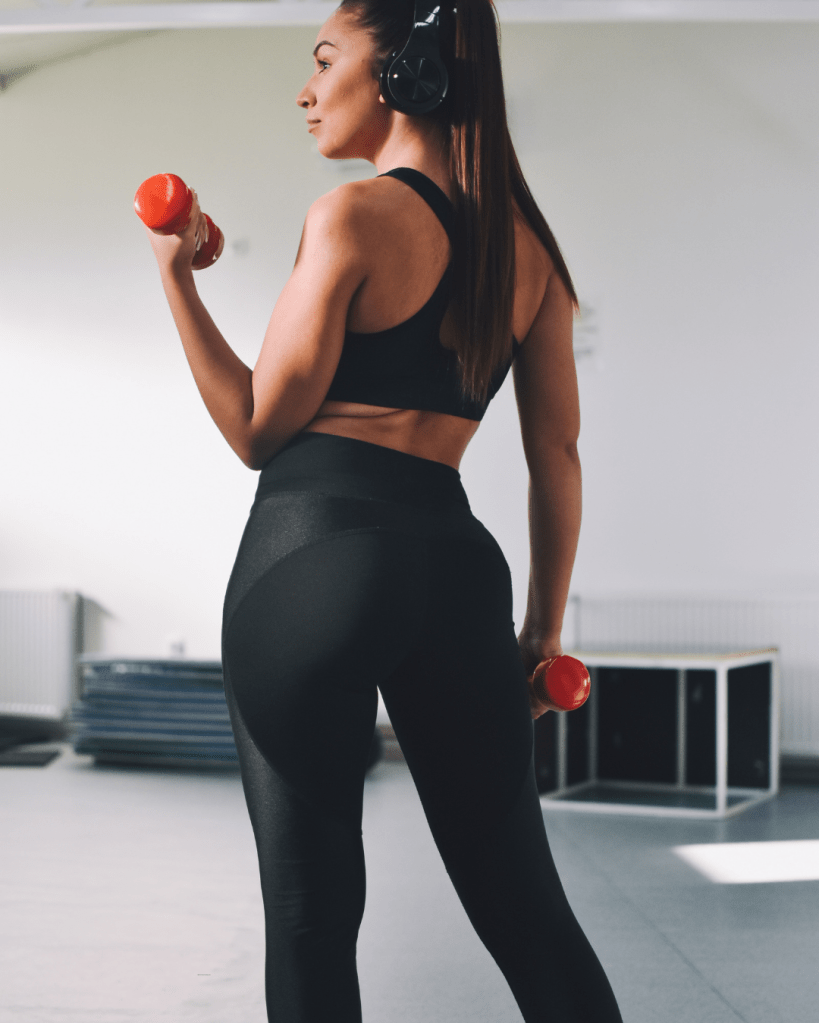
Strengthen Your Bones
As oestrogen levels decline, your bones gradually lose density – making bone health increasingly important. Think of oestrogen as a quiet bodyguard for your skeleton: when
it steps back, your bones need extra protection.
Weight-bearing exercises, putting your bones under gentle pressure, help signal your
body to keep bones strong.
And never forget about vitamin D, your bones’ best friend, especially in winter when
natural sunlight is in short supply.
A little effort now goes a long way, strong bones mean fewer fractures, better posture,
and the freedom to keep moving and enjoying life well into the years ahead.
Give Your Brain A Boost
Brain fog can feel strange, disorienting and somehow sneaks up on you at the most inconvenient times.
Stress, sleep, and hormones all play a role. Supporting overall brain health through rest,
nutrition, and (where appropriate) nutrients like omega-3 can help.
Maintain Healthy Skin, Hair, and Joints
Changes here are common and often one of the first things people notice.
Supporting your body with adequate protein and key nutrients (like vitamins A, C, E,
biotin, and collagen) can help maintain structure and resilience.
A Final Thought
Perimenopause isn’t a sign that something is wrong.
It’s a natural, biological transition, albeit one that can feel anything but straightforward.
If you’ve been feeling “off,” overwhelmed, or not quite yourself lately, it’s worth pausing
before placing the blame entirely on your shoulders.
Because sometimes, quite simply: it’s not you. It’s your hormones.
Information and other content provided in these blogs should not be construed as medical advice and should not be considered a substitute for professional medical expertise. If you have any medical concerns, you should consult with your health care provider.

 Health & Wellbeing with Dr Joanna Taylor
Leave a comment