Let’s be honest – most of us eat on autopilot more often than we’d like to admit. One
minute you’re opening the fridge for “just a look,” and the next… well, the snack has
mysteriously disappeared.
Healthy eating doesn’t have to mean a complete life overhaul. Sometimes, it’s as
simple as pausing for a few seconds and asking yourself: “Is this good for me? Is it
helping me feel better, fitter, healthier, stronger” Not in a strict, guilt-inducing way—but
in a curious, kind-to-yourself way.
Because here’s the truth: in a world full of diets promising everything from glowing skin
to superhero-level energy, it’s easy to feel overwhelmed. Keto, paleo, intermittent
fasting… where do you even begin? And how long do you stick with something before
deciding it’s just not for you?
Instead of chasing the “perfect” diet, let’s start somewhere much more realistic: you.
What foods do you genuinely love?
What foods are you happy to eat most days?
And what foods… would you rather not see again for the rest of your life?
Because food isn’t just fuel. It’s comfort, connection, culture, and yes – joy. A “healthy
diet” that strips all the enjoyment out of eating isn’t going to last very long (and honestly,
life’s too short for miserable meals).
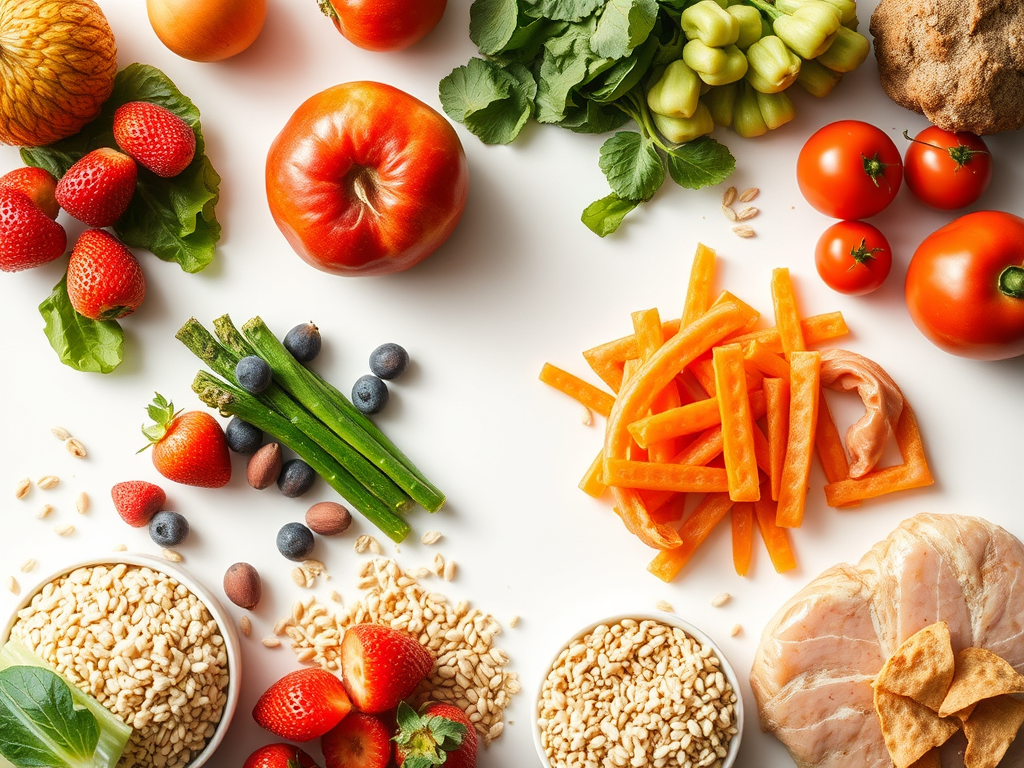
So rather than cutting everything out, let’s think about simple swaps – small, doable
changes that add up over time.
Simple Swaps to Try
Chocolate
Love your chocolate? Keep it. Just nudge it slightly – try moving from milk or white
chocolate to dark chocolate. Start gently (50–60%) and build up to 75-85%. If
you’re feeling bold, try 90% plus. Your taste buds will adapt over time, promise.
Biscuits
That cuppa moment matters. Keep the ritual, but consider simpler options. Try
switching out the choc chip cookies or cream-filled biscuits to something a little
lighter like a digestive or rich tea. And if you truly are quite hungry, crackers might
just hit the spot.
Crisps
Crunchy, salty, hard to resist – we get it. Instead of cutting them out completely,
try baked versions, then lower-salt options. Same crunch, a little kinder to your
body.
Nuts
Honey roasted and heavily salted nuts are delicious – but switching to plain or
dry-roasted nuts cuts down on added sugar and salt while keeping all the
goodness.

Bread
White bread → wholemeal → sourdough or rye. Gut-friendly, better blood sugar
control and overall, more nutritious. Think of it as a gradual upgrade rather than a
breakup.
Rice
Mix things up with barley, quinoa, or lentils. They’re higher in fibre and help keep
you fuller for longer (and your gut will thank you too).
Fruit Juice
Don’t be deceived. It might seem like the healthy option, but fruit juice packs in
plenty of natural sugars while leaving most of the fibre behind. Swapping to
whole fruit means you get both – helping with digestion and keeping your energy
levels more steady throughout the day.
Takeaways
No need to ban them – just make them a “occasions” food rather than a default.
Your heart, gut, and bank account will all quietly celebrate.
Portions
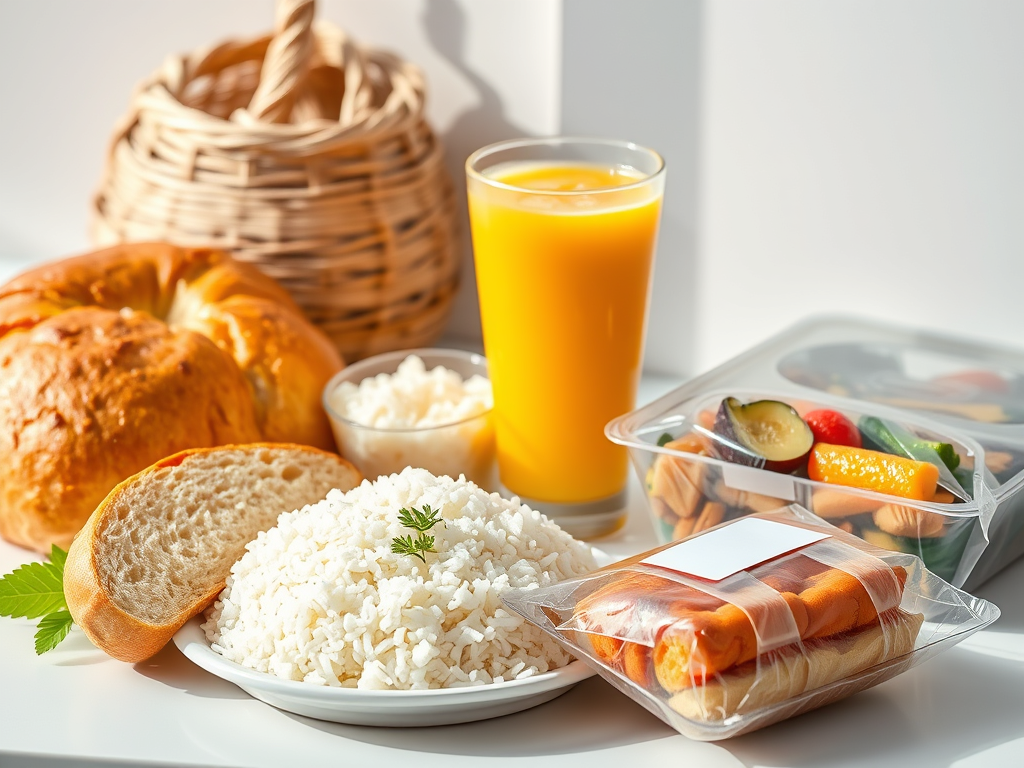
If weight loss is a goal, try rebalancing your plate rather than shrinking it
completely. Think: more veg and protein, a little less of the starchy carbs. Still
satisfying, you won’t go hungry, just more balanced.
The Bigger Picture
Healthy eating isn’t about perfection. It’s about progress.
It’s the small, consistent choices – the ones you barely notice day to day – that quietly
add up to meaningful change. And the most important ingredient? Actually enjoying
what you eat.
Because when food is both nourishing and enjoyable, that’s when healthy habits stick.
A quick note
These dietary recommendations are general and may not be suitable for everyone, especially if you have any diagnosed cardiovascular, gastric or metabolic conditions. For personalised dietary advice concerning any medical condition, please consult your own doctor or dietician.
Information and other content provided in these blogs should not be construed as medical advice and should not be considered a substitute for professional medical expertise. If you have any medical concerns, you should consult with your health care provider.

 Health & Wellbeing with Dr Joanna Taylor
Leave a comment