Ever had one of those days where everything hurts… and you’re not entirely sure why?
You didn’t run a marathon. You didn’t fall down the stairs. Yet somehow, your body feels
like it’s been through both.
The frustrating part? No one can quite give you a clear answer. And that’s often because
there’s rarely just one reason.
Our bodies are incredibly clever, well-oiled machines – but like anything, without regular
care and maintenance, things can start to feel a bit… creaky. A bit stiff. A bit “I’m not as
young as I used to be.”
Unlike your car, your body doesn’t just need an annual service. It needs small,
consistent care – daily, weekly, ongoing.
The good news? You don’t need to overhaul your entire life. A few simple habits can go a
long way in keeping the “rust” at bay.
Let’s start with some common reasons why your whole body might be aching.

What can help ease discomfort
Addressing whole body pain usually involves looking at the bigger picture.
Gentle, regular movement is one of the most effective starting points. Activities such as walking, stretching, or low-impact exercise can help improve mobility and reduce stiffness.
Strengthening exercises can also support the body over time, particularly when focused on posture and core stability.
Rest and recovery are just as important. Without adequate rest, the body doesn’t have the opportunity to repair and reset.
Why Does Everything Hurt?
Stress
Stress doesn’t just live in your head—it shows up in your body too. Tight shoulders,
clenched jaws, poor sleep… over time, it all adds up.
Poor posture
There’s a reason we all love to slouch. It’s comfortable… until it isn’t. Hours spent
hunched over laptops or phones, curled up on the sofa, or propped awkwardly in bed
can leave your neck, back, and shoulders quietly protesting.
Not moving enough
A common misconception is: pain = damage. That’s not always true. In many cases,
especially without injury, pain comes from stiffness rather than harm.
When we don’t move, our bodies lose flexibility and mobility. Things tighten up. And
suddenly, everyday tasks – carrying the shopping, reaching for a top shelf, picking up
the grandkids – feel harder than they should.
Moving too much
Exercise is brilliant – but without proper recovery, muscles can become overworked,
inflamed, and irritated.
(Your body does appreciate a rest day… even if your fitness tracker disagrees.)
Perimenopause
Hormones have a lot to answer for. Sometimes nothing else has changed – but your
hormones have, and they’re making themselves known. For many women, the perimenopausal transition can bring unexpected joint and muscle aches—just one of
its many “delightful” gifts.

Arthritis
For many of us, some degree of arthritis is part of the ageing process – and it can show
up earlier than expected. It may affect a single joint (osteoarthritis) or multiple joints
(rheumatoid arthritis).
For most people, it becomes about managing symptoms, maintaining movement, and
focusing on quality of life – working with your body rather than constantly battling it.
So… What Can You Actually Do?
Here’s the reassuring part: small, realistic changes can make a big difference.
- Keep moving
It might feel counterintuitive but stopping completely when you’re sore can sometimes make things worse. If pain is significant, take a short rest – but then gently get moving again. Movement helps reduce stiffness and maintain mobility.
Think: motion is lotion. - Respect recovery
How much rest you need depends on you—your routine, your activity levels, and what your body is used to. Recovery isn’t laziness; it’s part of the process. When you recover well, your strength, stamina, and consistency all improve. - Mix things up
Love weights? Great: add some stretching or yoga.
Love running? Brilliant: don’t skip strength work.
Your body thrives on variety. It keeps things balanced, adaptable, and less prone to overload or repetitive strain. - Work on posture
Yes, sometimes it really is about sitting up straight. But if good posture feels
uncomfortable, that’s normal – it just means your body isn’t used to it yet. Practices like yoga and Pilates can help retrain your body over time. - Strengthen your muscles
When backs “go,” it’s often muscular. Think of your muscles as your spine’s support system. Strengthening them helps protect against injury—especially when life involves lifting, carrying, or giving increasingly heavy piggyback rides to not-so-little ones. - Get a massage
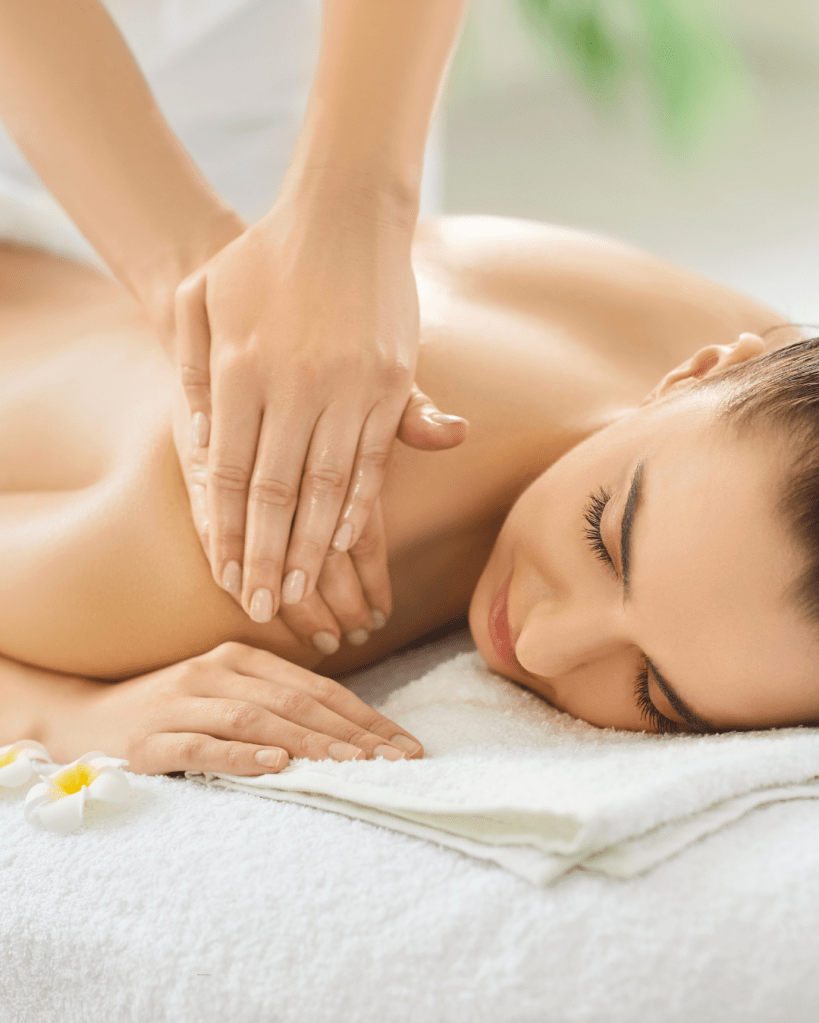
Sometimes, it really is that simple. A good shoulder rub can go a long way. And if a regular massage therapist isn’t on the cards, there are plenty of at-home options – from fancy massage guns to the humble tennis ball. A little muscle TLC can help ease tension and soreness. - Get the right support
If you’re worried about persistent pain – or wondering about things like perimenopause or arthritis – it’s worth speaking to your GP. You may not get one simple answer, but you can rule out certain causes and find ways to manage symptoms. - Call in the experts
Physiotherapists and kinesiologists can work wonders. They’ll guide you but the real magic comes from consistently doing the exercises they recommend (no shortcuts, unfortunately).
The Takeaway
Whole body pain is common and often multifactorial. It’s rarely just one thing, which
means there’s rarely a single quick fix.
But that’s not bad news.
It means there are multiple small things you can do that, together, can make you feel
significantly better.
Less stiffness. More movement. Better energy.
And hopefully… fewer days where getting out of bed feels like a full-body workout.
Information and other content provided in these blogs should not be construed as medical advice and should not be considered a substitute for professional medical expertise. If you have any medical concerns, you should consult with your health care provider.

 Health & Wellbeing with Dr Joanna Taylor
Leave a comment